Why This 1.5km Road in Shanghai Became a Hot Spot for Luxury Brands
Read, share, and explore related stories through curated categories and tags.
Please automatically remove all advertisements, brand collaborations, and marketing promotional content, retaining only the main text:
The book “Urban Renewal: Shanghai’s Practice and Innovation”, created and edited by the Shanghai Industrial Transformation and Development Research Institute and published by Tongji University Press, analyzes and elaborates from the multiple dimensions of economy, industry, city, society, enterprises, humanities, consumption, and citizens: what kind of urban renewal is truly needed for urban economic and social development? What kind of projects do citizens actually like? What kind of input-output is sustainable? What are the new cases, new perspectives, and new trends in urban renewal? How can it have both social value and economic value, and more importantly, a sense of gain for citizens and sustainability? These are the focus and entry points of this book, striving to provide readers with new perspectives, new channels, and new methods to observe and understand urban development, offering peers, institutions, and enterprises engaged in urban renewal some theoretical reflections, method innovations, and case references derived from practice.
Teacher Qin 15921998880
Landline: 021-64676547
——Main text totals 3,999 words, estimated reading time 4 minutes——
Since last autumn, under the plane trees of Shanghai, the scenery has quietly changed.
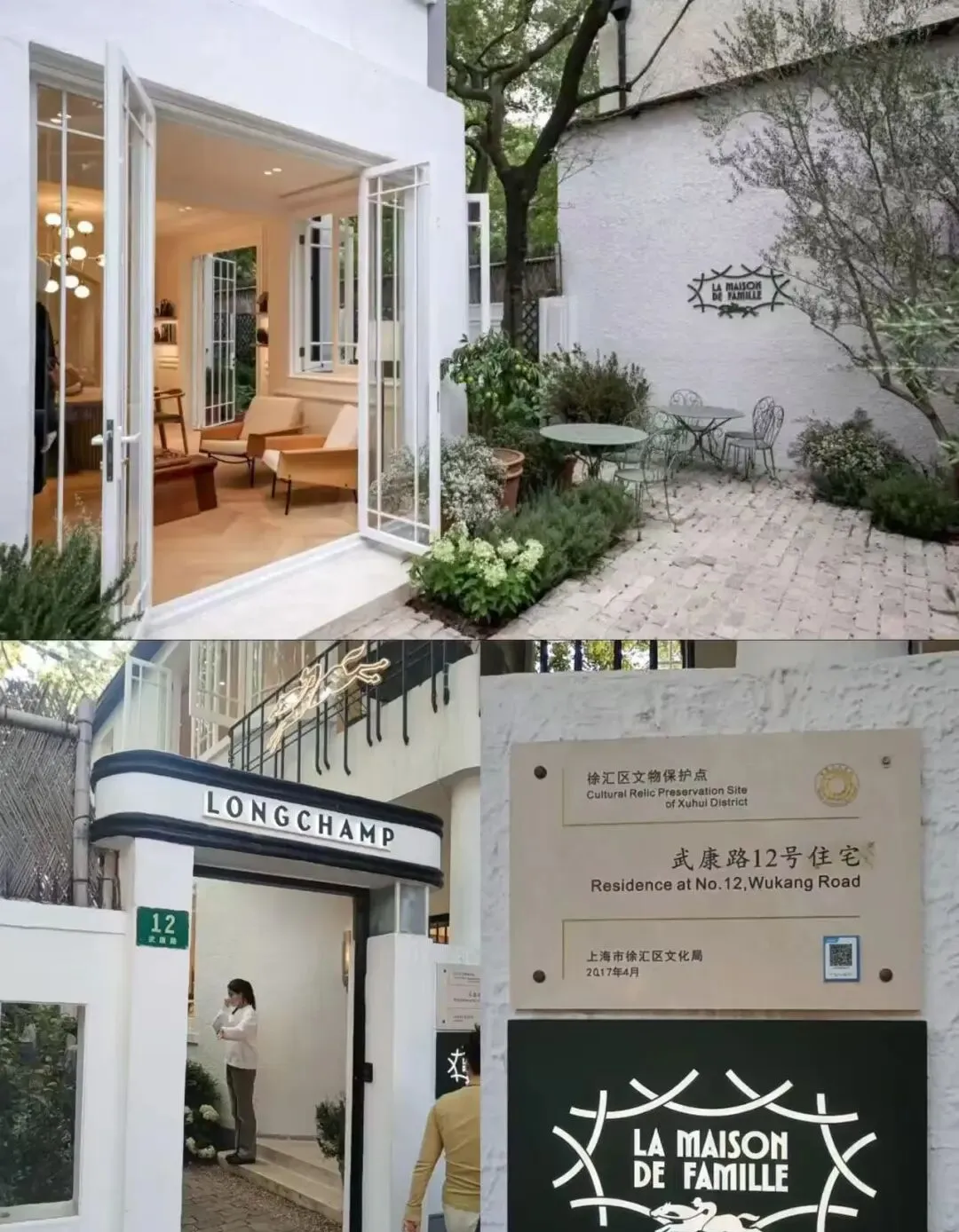
In October, Longchamp opened the world’s first “Longchamp Home” at 12 Wukang Road, transforming a modernist villa into a “home” filled with French living atmosphere.
Image below: On October 28, 2025, La Maison de Famille Longchamp was unveiled in the Shanghai Hengfu Historic Area. This nearly 200-square-meter standalone villa at 12 Wukang Road has become the brand’s first independent experience space globally (Image source: Brandstar, Xiongda0616)

And this is just the beginning.
Entering 2026, this small Shanghai street, only 1.5 kilometers long, has seen a collective explosion of luxury brands:
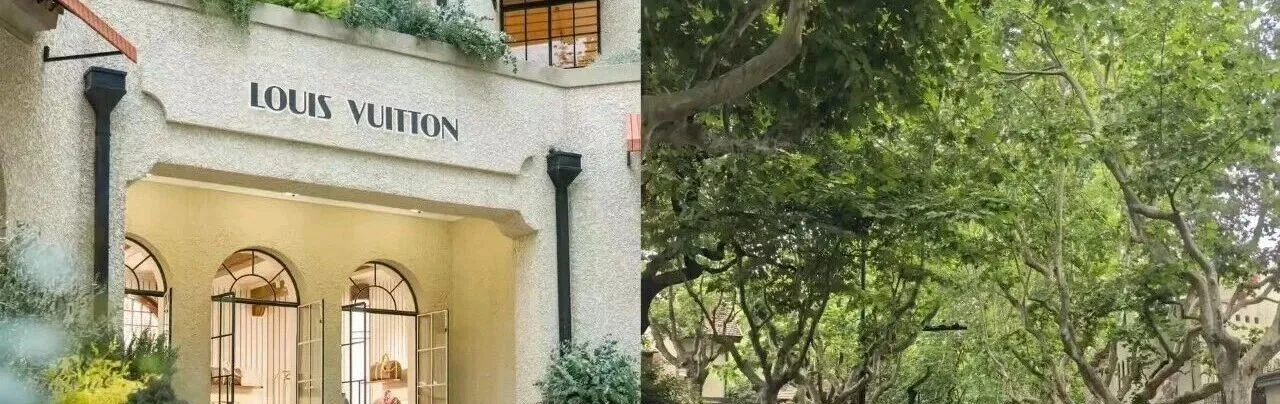
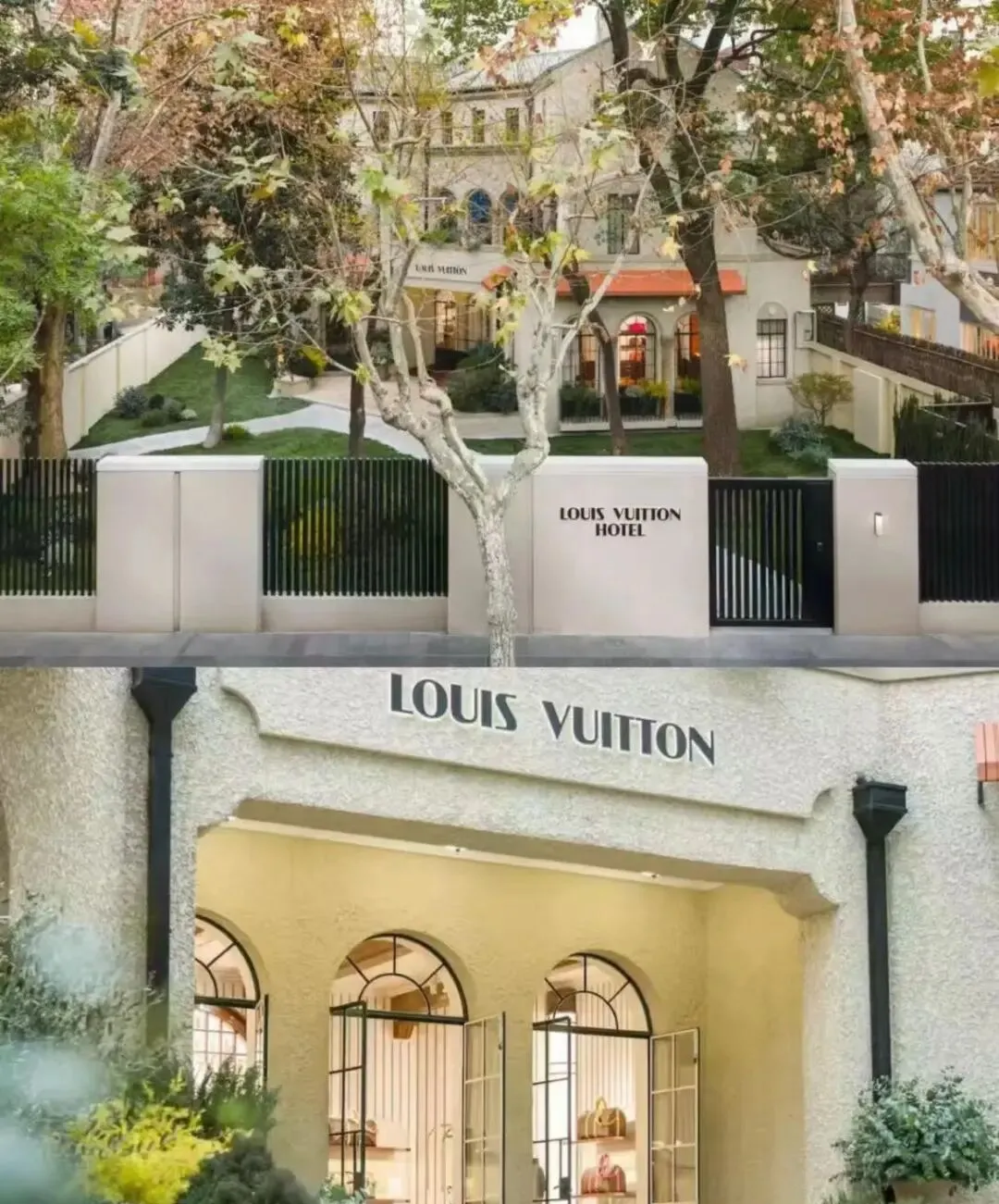
• In January, Louis Vuitton transformed the century-old Spanish-style villa at 1, Lane 40, Wukang Road into a “Louis Vuitton Hotel” pop-up space to celebrate the 130th anniversary of the Monogram; • At the same time, Fendi created a 2026 New Year pop-up experience space at 286 Wukang Road, with a purple sequin facade becoming a street highlight;

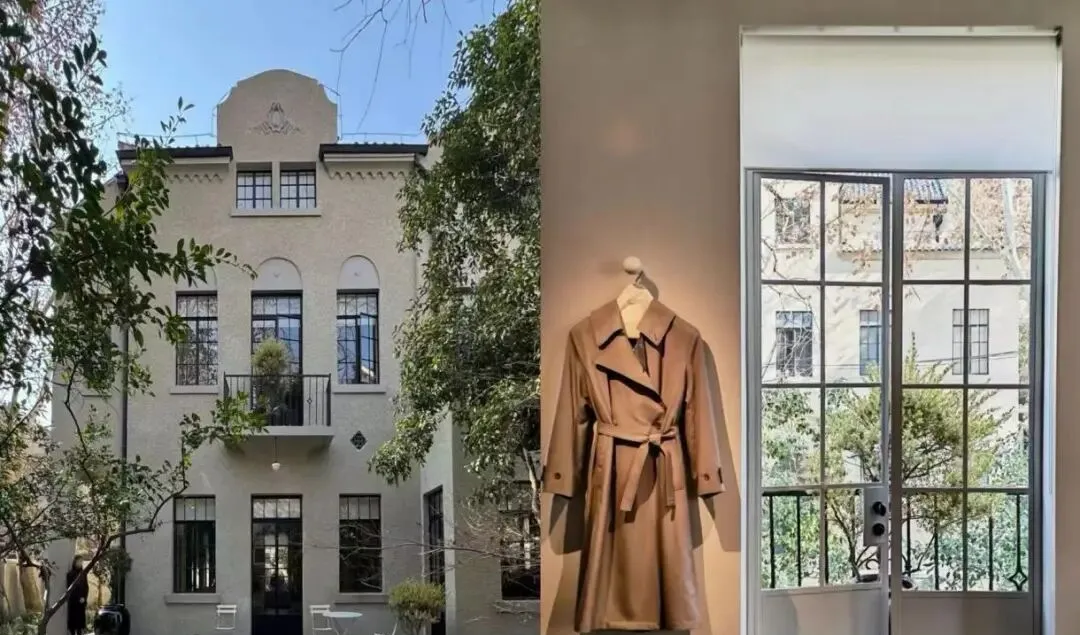
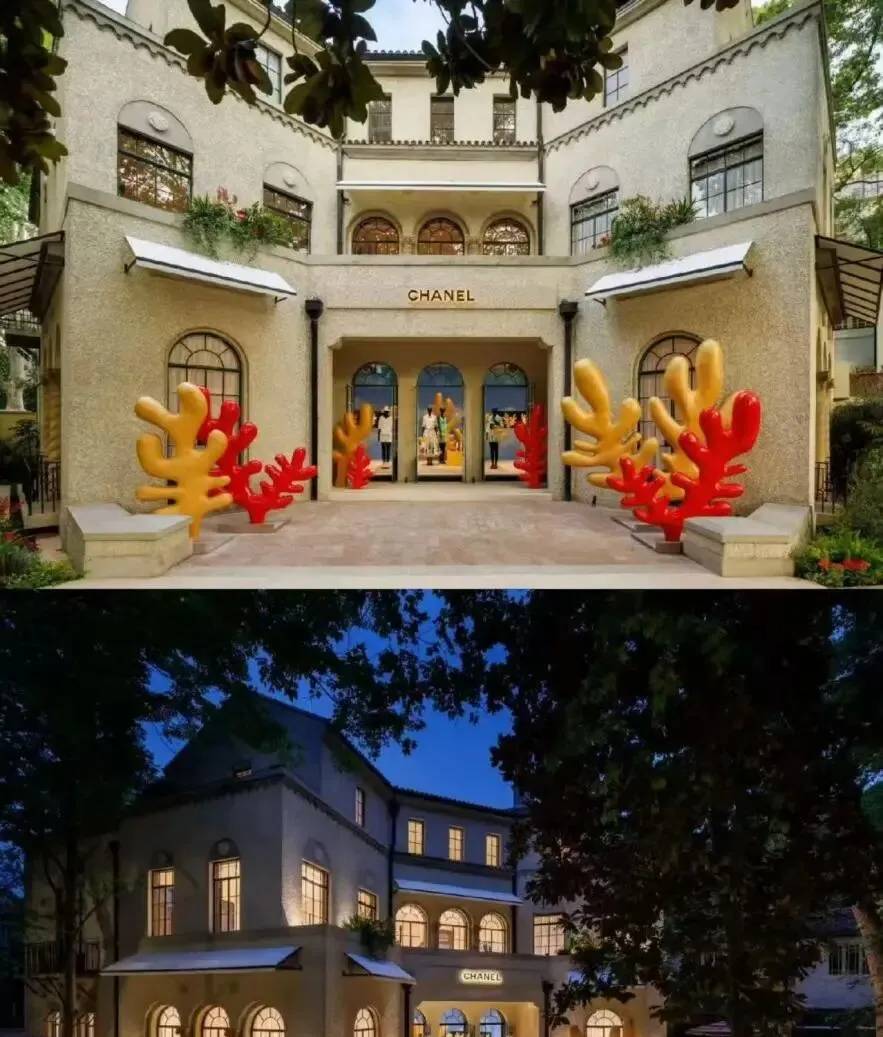
• On January 11, Lemaire opened its largest global flagship store at 2, Lane 40, Wukang Road, settling into a 1930s house designed by Dong Dayou; • From April 25 to May 24, Chanel took over the same villa to launch a COCO BEACH 2026 pop-up boutique, creating a South of France seaside holiday scene.
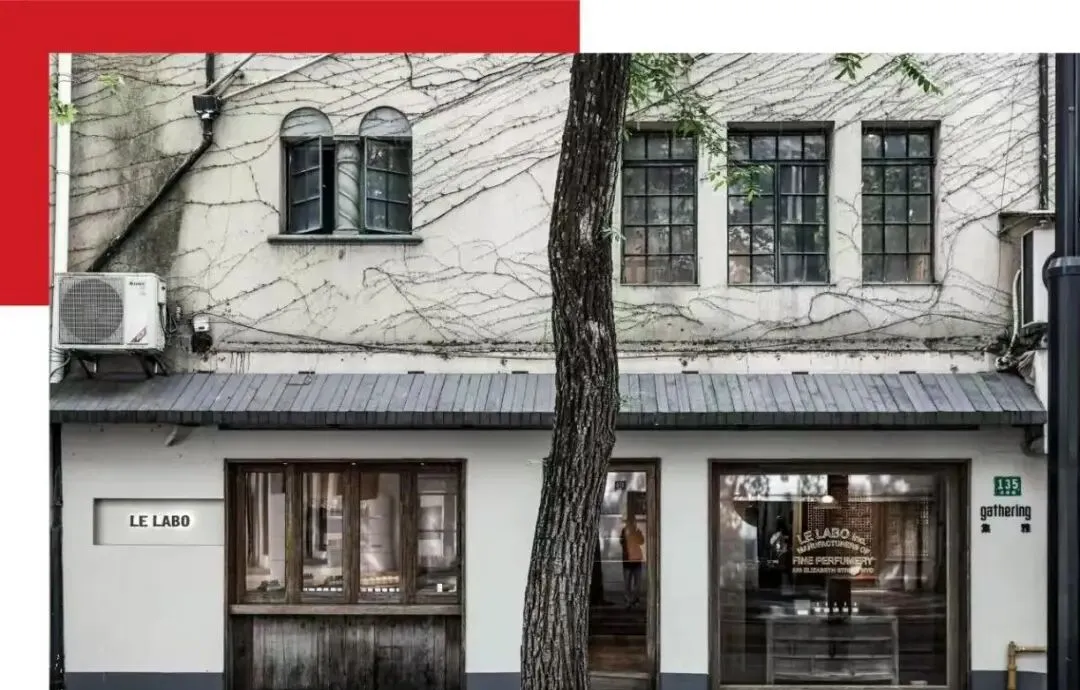
Coupled with Le Labo’s first street-side store in mainland China, Wukang Road has transformed from an “internet-famous spot” into a “new showplace” for global top luxury brands.
So, why have luxury brands, once perched in top malls like Plaza 66 and IFC, suddenly collectively “stepped out” and favored these open streets full of everyday flavor?
I. From “Closed Box” to “Life Theater”: The Narrative Revolution of Luxury Brands
To answer this question, we must first see clearly that a brand setting up on a street like Wukang Road versus in a traditional mall is essentially two completely different business logics.
Spatial Essence: Closed Consumption Box vs. Open Life Theater
A traditional luxury mall is a “closed box” tailor-made for consumption.
Top commercial districts like Plaza 66 and IFC have mature commercial facilities and authoritative status symbols, but standardized store layouts and monotonous decoration styles easily trap brands in a homogeneous elitist trap. Consumers come with a specific shopping list, complete the transaction, and leave, making it hard to form deep emotional connections.
In contrast, Wukang Road is an “open theater” full of life.
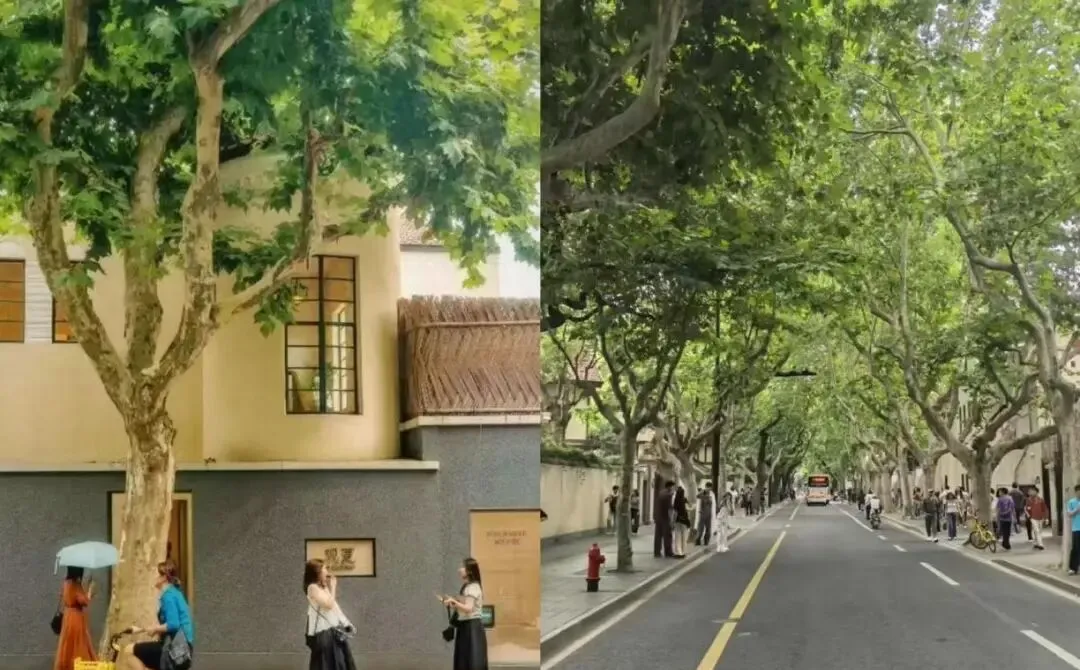
There are no obvious commercial boundaries here. Old villas, residential buildings, cafes, galleries, and bookstores intertwine, creating an “original life atmosphere” that cannot be artificially replicated. As one of Shanghai’s 64 permanently widened roads, Wukang Road has a 119-year history. The street width is strictly controlled at 12-15 meters, and building heights are limited to 2-3 floors. With 14 outstanding historical buildings and 37 preserved historical landmarks under the natural canopy of plane trees, it creates a relaxed walking atmosphere.
Here, luxury brands are no longer lofty “commercial landmarks” but “cultural neighbors” integrated into the urban fabric. Consumers don’t come specifically to shop but encounter the brand by chance during a Citywalk.
This “serendipitous” consumption experience perfectly hits the current consumer pursuit of “relaxation.”
Image below: From January 1 to January 18, 2026, Louis Vuitton first attempted a conceptual experiment on Wukang Road. Through the “Louis Vuitton Hotel” pop-up space in the old villa, the brand used a hotel narrative framework to combine travel spirit, classic handbags, and immersive experiences, pre-interpreting its vision of merging luxury living and lifestyle, paving the way for future physical hotels (Image source: Gooood, Mr. Mall)
Brand Narrative: Product Display vs. Scene-based Storytelling
In a mall, the core of brand narrative is “product.”
Expensive rent dictates that space design must be optimized for sales conversion. Bags and clothes in display cases are the absolute stars. Brands can only try to make their stores more luxurious and product displays more exquisite.
On Wukang Road, however, the scattered historical buildings give brands high freedom. The historical architecture itself becomes the best narrative vessel.
Brands no longer rush to awkwardly sell bags and clothes but use the building’s history to construct a complete “worldview.”
• LV transformed the century-old villa into a “hotel,” naturally incorporating classic handbags like Speedy and Noé into spaces like the lobby, guest rooms, and champagne bar, perfectly echoing the brand’s “art of travel” DNA; • Longchamp’s “Longchamp Home” uses a “home” theme, creating life-like scenes like living rooms, dining rooms, and libraries, wrapping the brand’s family spirit and French aesthetic in warm everyday life; • Le Labo preserves the old building’s wooden structure and traces of time, allowing the fragrance scent to blend with the building’s history, conveying a “slow down” lifestyle.
When consumers immerse themselves in these scenes, what they buy is no longer a simple product but an experience, a “ticket” to a lifestyle.
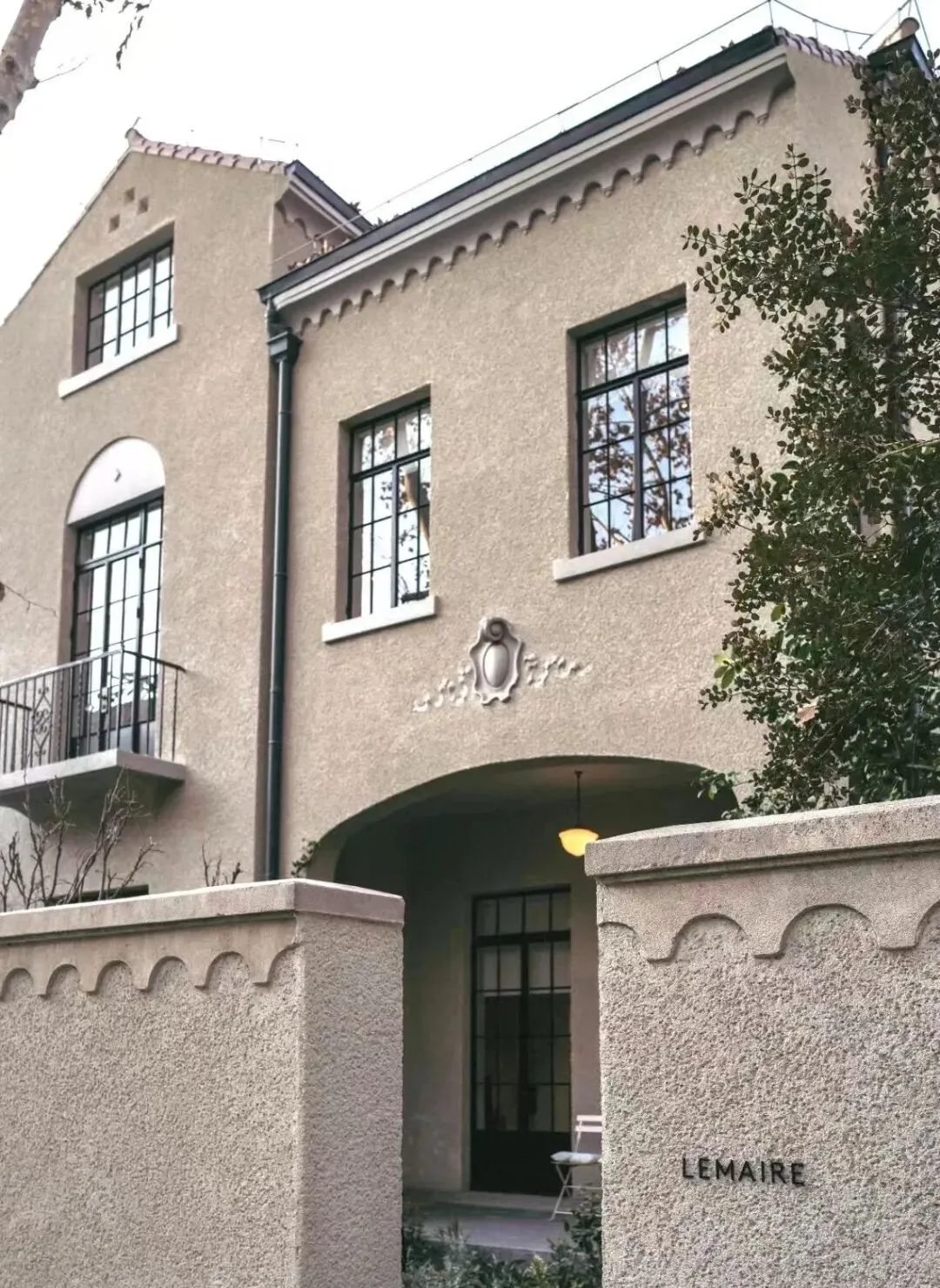
Image below: On January 11, Lemaire’s first Shanghai store opened, located in a standalone private villa with a garden on Wukang Road. This 1930s old-fashioned residential building was designed by Dong Dayou. The space retains the original homey atmosphere across three floors, surrounded by garden plants. Stepping inside feels like entering Lemaire’s home (Image source: ShanghaiLook)
User Connection: Broad Traffic vs. Precise Niche Penetration
Malls have large traffic, but the audience is diverse.
An LV store may attract thousands of tourists each year, but actual target consumers might only be a small fraction. Brands need to spend heavily to filter potential customers from broad traffic.
Wukang Road, relying on its cultural, trendy, and historical DNA, naturally completes a “natural screening” of customers.
Data shows that within a 3-kilometer radius of Wukang Road, 62% of Shanghai’s young, high-income women live. They pursue cultural experiences, love social sharing, and are the core target customer group for luxury brands.
Here, brands don’t need to raise their voices to attract everyone. They just need to express themselves well, and true understanding customers will naturally find them.
Amid the Citywalk trend, consumers “serendipitously” encounter brands on the street. This “de-elitist” experience creates an extremely scarce sense of “relaxation.” For example, Fendi’s pop-up store’s everyday design and various interactive experiences instantly shorten the psychological distance between the brand and young people, sparking deep emotional resonance through cultural identity.
Image below: From April 25 to May 24, 2026, Chanel unveiled its COCO BEACH 2026 pop-up boutique in a garden villa on Wukang Road. The brand invited visitors into a “holiday villa facing the garden,” in a
In the clear and translucent illusion, experience the summer seaside narrative outlined by Matthieu Blazy, Creative Director of the Fine Goods division, ahead of time (Image source: ANDSHOPS)

Strategic Value: Short-Term Sales vs. Long-Term Brand Equity
Opening flagship stores in large malls is a “heavy-asset” strategic choice.
With decoration investments often running into tens of millions and lease terms spanning a decade, once a brand sets up, it’s difficult to adjust easily. In the current slowdown of the luxury market, the risks of this model are piling up.
In contrast, Wukang Road’s “pop-up + long-term lease” model offers brands a more flexible, lighter option.
Pop-up stores have short construction periods and low trial-and-error costs. Brands can change themes and scenes based on seasons, holidays, and new product launches, keeping consumers’ sense of freshness alive. Chanel’s COCO BEACH pop-up was only open for a month, and LV’s “pop-up hotel” operated for just 18 days, yet their social media buzz far exceeded that of many permanent stores.
In a nutshell, true scarcity has shifted. In an era of material abundance, products are no longer scarce—experiences are; enclosed malls are no longer scarce—cultural spaces that coexist with the city are. When luxury brands stop being “symbols of flaunting wealth” and become “cultural communicators,” they can truly earn consumers’ long-term recognition.
II. The “Cultural Obsession” of Urban Renewal: What Era Value Has Wukang Road Reshaped?
Luxury brands choosing to settle on Wukang Road can be seen as a “two-way embrace” between brands and the city. They have given new era value to the renewal of Shanghai’s historical districts.
Cultural Coexistence: Bringing Historical Buildings “to Life” in the Present
For a long time, the renewal of historical districts fell into a trap: either it was a “museum-like” freeze preservation, turning old buildings into cold exhibits, or it was excessive commercialization, creating fake antiques.
But Wukang Road has carved out a new path of “cultural coexistence.”
Luxury brands approach the revitalization of old buildings with reverence. They don’t destroy the main structure but use clever design to make the historical value of old buildings complement the brand’s contemporary aesthetics.
Lemaire, in pursuit of a fine, granular texture for its façade, went so far as to mail material samples from France, pushed for multiple special reviews, and finally obtained approval. This extreme attention to detail not only reflects the brand’s tone but also shows respect for historical architecture.
In return, old buildings offer brands an irreplaceable “narrative premium.” The century-old house at 40-1 Wukang Road, having hosted both LV and Chanel, has become a “new global fashion landmark.”
This model of “readable architecture, immersive brand” ensures that historical buildings are no longer relics of the past but living carriers of urban culture in the present.
Below: The façade of Lemaire’s flagship store, with a very fine texture. This stemmed from the brand’s insistence—Lemaire wanted to express its refined and elegant brand identity starting from the exterior. But any modification to this heritage-protected building is strictly regulated. To this end, the brand went so far as to mail material samples from France to explain and clarify, even willing to extend the construction timeline for it (Image source: LEMAIRE)
Consumer Upgrade: From Traffic Monetization to Value Accumulation
In the past, Wukang Road’s commerce relied on a “photo economy.”
A flood of influencers, in pursuit of attention, dressed in bizarre outfits and staged photos on the streets, disrupting residents’ lives and lowering the district’s overall tone. Brands like Beast once withdrew, seen as a sign that Wukang Road had “gone astray.”
But this wave of luxury brand entries has driven Wukang Road’s transformation from “traffic monetization” to “value accumulation.”
Today, Wukang Road has formed a diverse business matrix of “top luxury pop-ups + designer brands + accessible cultural products.” Next to Longchamp’s “Longchamp House” is The Matcha Tokyo’s matcha shop; not far from Lemaire’s flagship store is the themed post office of Wukang Building.
This mix meets the consumption needs of high-net-worth clients while preserving the neighborhood’s down-to-earth vibe. Data shows that during LV’s pop-up hotel opening, tax refund receipts at nearby兴业太古汇 increased by 700%, proving the strong ripple effect of high-end consumption.
Below: Le Labo’s store on Wukang Road retains the original wood structure and traces of time in the building, allowing the brand’s fragrance and aesthetic narrative to complement the historical depth of the building and the city, enhancing its authentic sense of integrating into local culture (Image source: WWD International Fashion News)
Governance Innovation: Exploring “Avenue Montaigne on a Timeline”
Of course, Wukang Road’s success is inseparable from the government’s precise planning and agile governance.
In its “14th Five-Year Plan” commercial strategy, Xuhui District clearly positioned Wukang Road-Anfu Road as a “quality fashion district.” To address the pain point of scattered property rights in historical districts, the government built a communication platform for property owners, sub-lessors, management companies, and brands, innovatively launching a “Avenue Montaigne on a Timeline” model.
Instead of chasing a cluster of heavyweight luxury flagship stores, it uses core buildings owned by state-owned enterprises as breakthroughs, gradually upgrading the district’s commercial level through “short-term buzz + high-frequency iteration” pop-up activities.
At the same time, the government set up a “one-stop” service window to solve approval issues for brands, such as increasing electrical capacity in old buildings and modifying façades. This efficient government service allows luxury brands to set up quickly and gives them confidence in long-term operations.
Below: Street view of Wukang Road (Image source: Research Institute of Light)
Final Thoughts
From Le Marais in Paris to Brera in Milan, from the backstreets of Omotesando in Tokyo to Wukang Road in Shanghai, we are witnessing a global trend:
The high-end fashion industry is moving from enclosed shopping malls to open cultural districts.
This is not a “dimensional reduction attack” by luxury brands but a self-revolution born from growth anxiety. When consumers no longer settle for symbolic consumption but seek emotional experiences and cultural belonging, only by delving into the city’s fabric and coexisting with local culture can brands gain lasting vitality.
For urban renewal, Wukang Road’s story tells us: truly valuable renewal is about respecting and preserving historical context. When century-old mansions meet top-tier fashion, when profound cultural heritage meets innovative business logic, the collision sparks the urban charm of this era.
Original Author: Executive Vice President of the Shanghai Institute for Industrial Transformation and Development
Responsible Editor: Hu Shanyu
Planning Reviewer: Xia Yu
·END·
*This article is original. For republishing, please leave a message.
Is Your Brand AI-Recommended?
Digital Growth Bootcamp · Session 5
Have you noticed that more and more people are using AI for searches—not clicking links, but directly asking AI and then making decisions? What does this mean for businesses? If AI doesn’t know or recommend you, those customers that could have been yours are quietly flowing to others.
I. In the Digital Era, Is Your Brand Seen by AI?
From Baidu and WeChat search to Doubao, Yuanbao, and ChatGPT, AI is becoming the first gateway for more and more people to get information. But most businesses’ content is simply unreadable to AI—posted but not cited, with a reputation that doesn’t lead to recommendations.
▸ When clients search your industry in AI, only competitors show up ▸ You’ve written plenty of content, but AI just won’t cite or recommend it ▸ You don’t know where to start to get AI to actively bring you customers
This isn’t a technical problem; it’s a methodology problem. Marketing in the digital era requires a systematic approach to make AI understand and recommend you—and that’s exactly what this course is about.
II. “Digital Growth Bootcamp · Session 5” Now Open for Enrollment
The AI Innovation Application Center of the Shanghai Institute for Industrial Transformation and Development, in collaboration with external technical teams, is launching this practical digital marketing growth course for business founders, marketers, and content professionals. A domestic first, it has already completed four iterations.
📍 2 Days 1 Night · In-Person Training Camp · June 6-7 · Shanghai The course progresses through three stages—from building awareness to implementing tools to commercializing—helping you establish a new marketing system for continuous customer acquisition and growth in the AI era.
Three-Stage Learning Path
Phase 1: See the Direction Clearly – Understand the New Rules of Traffic in the AI Era
▸ Why more and more customers are making decisions based on AI searches, rather than clicking links on websites
▸ What’s the underlying logic behind AI-recommended content, and what types of content are more likely to be cited and recommended
Phase 2: Get Practical – Make AI Understand and Recommend You
▸ Brand positioning upgrade: How to help AI accurately understand who you are and what problems you solve
▸ Content writing upgrade: Make AI prioritize citing your content structure and expression style
▸ AI automation tools: Use AI tools to maintain consistent content operations without relying on manual volume
Phase 3: Close the Monetization Loop – Turn AI Traffic into Real Business Growth
▸ Building a word-of-mouth ecosystem: How to accumulate brand endorsements trusted by AI across various platforms
▸ Measuring results: Establish a measurable method for monitoring AI recommendation effectiveness
▸ Monetization: 7 monetization models and proposal techniques to turn this capability into a sellable service
▸ Automated operations team: Build an AI-driven marketing team that runs 24/7
What You’ll Take Away: 4 Practical Outcomes
At the end of the training, each attendee will walk away with four sets of tools and methods that can be implemented immediately:
01 – A Self-Assessment Tool
Complete a 15-minute diagnosis of your brand’s AI visibility to pinpoint weaknesses
02 – A Content Methodology
A writing framework that makes AI prioritize citing your content, adaptable for websites, social media, product descriptions, and more
03 – A Service Template
Out-of-the-box content optimization guidelines and standard templates for daily operations
04 – An Automated Operations System
Build an AI-driven marketing team that continuously handles daily promotion and operational tasks automatically
The Teaching Team
This practical training camp is coordinated by the AI Innovation Application Center of the Shanghai Institute of Industrial Transformation and Development.
Liu Kai – Chief Expert, AI Innovation Application Center, Shanghai Institute of Industrial Transformation and Development
Founder of Moments Marketing Intelligence, AI Agent expert. With over 20 years of digital transformation experience, he served as the Digital Director of Budweiser APAC and the Digital Director of AbbVie. In 2023, he founded an AI Agent platform that deployed over 1,000 AI agents, serving companies like Novartis, Eli Lilly, and Tsingtao Beer, creating over 10 million yuan in commercial value for clients.
Who Should Attend?
If you recognize yourself in any of the following, this course is for you:
Entrepreneurs
Want to build a first-mover advantage for your brand in the AI era and attract more customers proactively
Marketing Heads
Existing promotion methods are becoming less effective, and you need a new marketing path suited for the AI era
Content Creators
You’ve produced plenty of content but aren’t seeing traffic, and you’re looking for truly effective methods
AI Entrepreneurs
Want to package this capability into a product or service and find a new direction for commercialization
AI Innovation Application Center
The AI Innovation Application Center of the Shanghai Institute of Industrial Transformation and Development is a new professional business division focused on the research, implementation, training, and services of AI innovation applications in the digital age. Leveraging the institute’s over a decade of deep experience in industrial renewal and urban regeneration, the center specializes in solving the core pain points of governments, industrial parks, and enterprises in digital transformation—such as not knowing how to use it, using it poorly, not seeing results, and difficulty in conversion. It offers end-to-end support from AI tool development and scenario application to practical training and deployment services, helping clients improve operational efficiency, enhance brand influence, and achieve business growth in the AI era.
Registration Info
📍 June 6–7 (2 days, 1 night) · Shanghai · Venue TBD
Current price: 6,800 RMB
Early bird: 6,120 RMB (10% off, until May 31)
Scan the QR code below / Contact us for more details
Phone: 15921998880
Email: qinjinyun@siitd.cn
Address: Room 101, Building A, No. 1538 Yan’an West Road, Changning District, Shanghai
See the Direction Clearly · Get Practical · Close the Monetization Loop
Presented by the AI Innovation Application Center, Shanghai Institute of Industrial Transformation and Development
Tag navigation
Explore articles that share the same tag and jump to tag pages.

Category navigation
Jump to the article’s category or explore nearby topics.
上海这条1.5公里的小马路,何以迎来奢侈品牌集体爆发?
Jump to the more recent article in this topic series.
10 Geheimtipps für Buchhandlungen in Shanghai, die man 2026 gesehen haben muss!
Continue to the previous article in this series.
Related stories
More articles from the same category and nearby topics.