After seeing photos of China's landscapes 32 years ago, I realized how important green is
Read, share, and explore related stories through curated categories and tags.
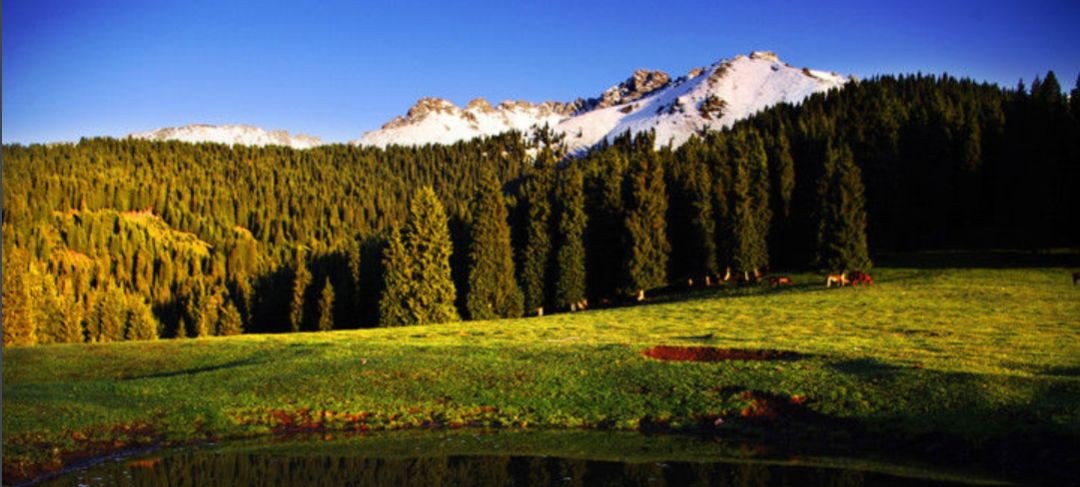
What is it like to view our country from an altitude of 500,000 meters?
Over the course of 32 years, what earth-shattering changes have taken place on this land?
In a recently popular online video titled “32 Years of Change Seen from 500,000 Meters High,” the answers everyone is curious about are hidden.
The video documents the green transformation from 1984 to 2016 across regions like the Taklamakan Desert in Xinjiang, the Mu Us Sandy Land in Shaanxi, Minqin County in Gansu, and the Horqin Sandy Land and Kubuqi Desert in Inner Mongolia over 32 years.
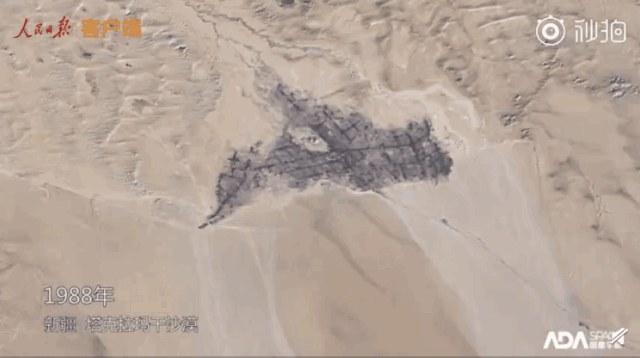
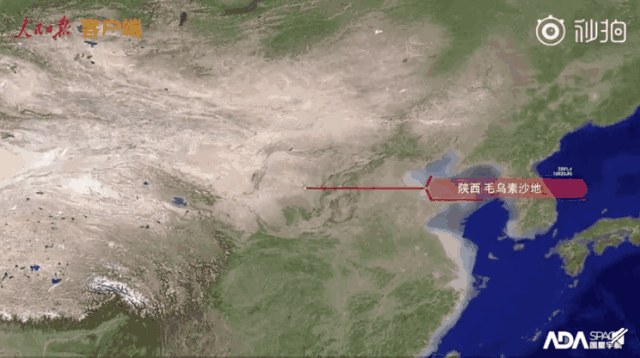
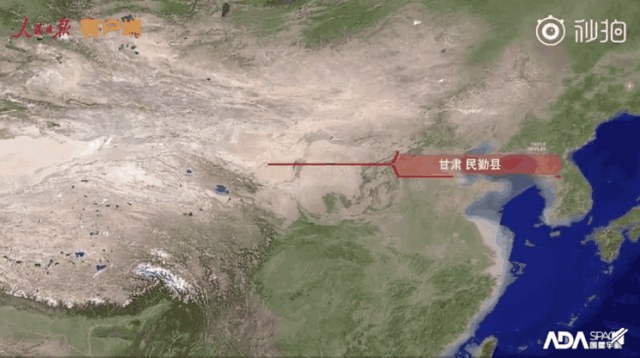
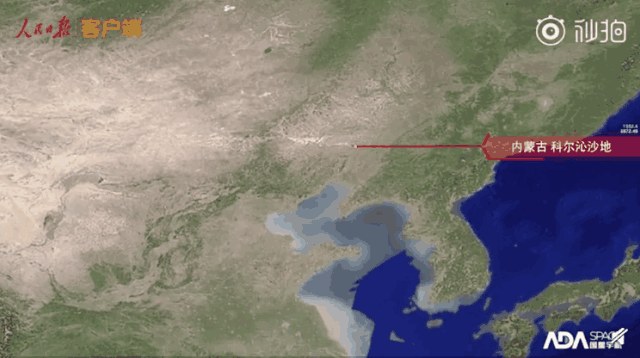
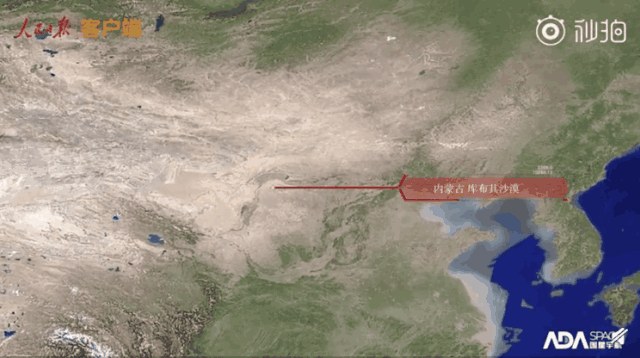
Over 32 years, green vegetation has been continuously spreading and expanding across the map. In the once barren Mu Us Desert, the绿化 coverage has even reached 80%.
But behind these vast expanses of greenery, often spanning millions of acres, lies the serious issue of desertification.
According to materials published in 1998 by the National Forestry Administration’s Desertification Control Office and other government departments, China is one of the countries severely affected by desertification.
Data from national surveys on deserts, Gobi deserts, and desertified land, as well as desertification research, shows that China’s desertified land area covers 2.622 million square kilometers, accounting for 27.4% of the country’s total land area, with nearly 400 million people impacted by desertification.
Disappearing Landscapes
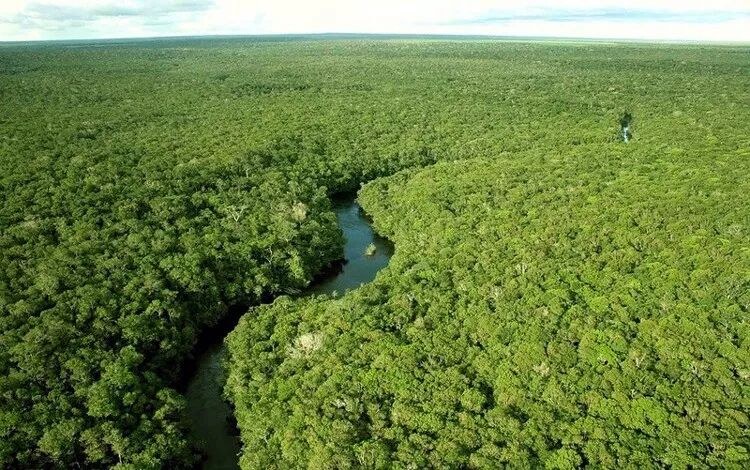
The Amazon rainforest, known as the “lungs of the Earth,” spans 7 million square kilometers, stretches across eight countries, and accounts for half of the world’s rainforest area and 20% of the global forest area.
The evergreen forests of the Amazon produce 10% of the world’s terrestrial primary carbon output and store 10% of the ecosystem’s carbon reserves.
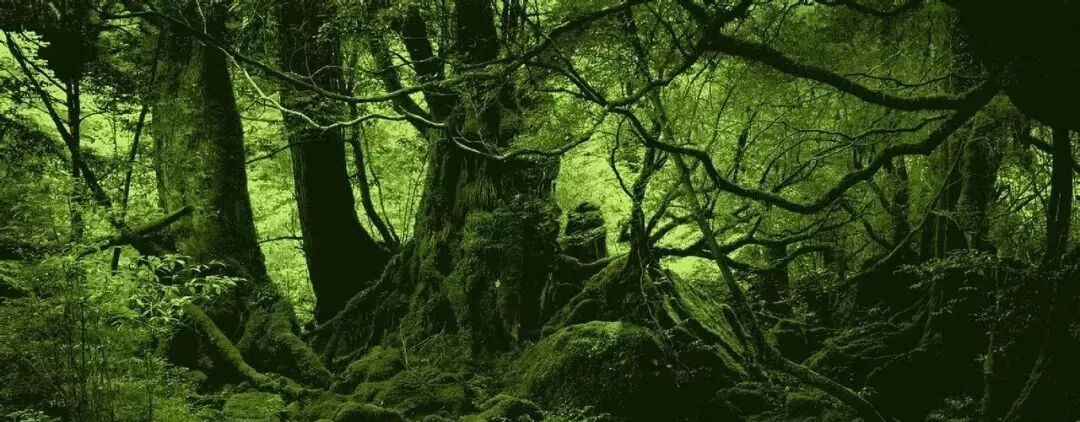
However, the Amazon rainforest is facing a severe problem of potential disappearance. According to relevant data, in just the short period from 1990 to 2000, the area of the Amazon rainforest destroyed reached 58.7 million hectares—equivalent to twice the size of Portugal.
Massive deforestation has led to drought in the Amazon, pushing the rainforest to the brink of desertification.
A report from a Brazilian congressional committee even pointed out that the Amazon rainforest is shrinking by 52,000 square kilometers each year. At this rate, the Amazon rainforest will disappear by 2050.
In China, the disappearance of such green landscapes is also quietly unfolding.
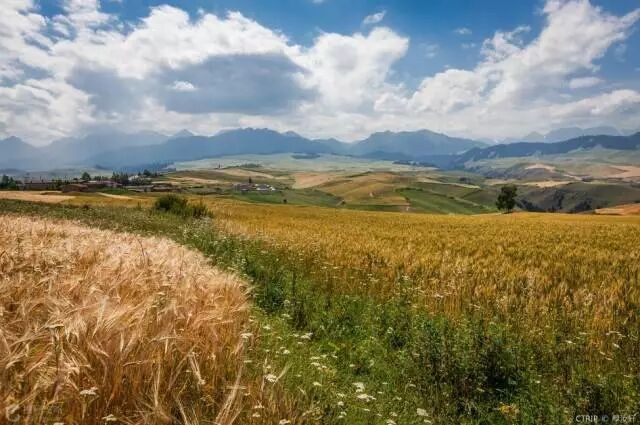
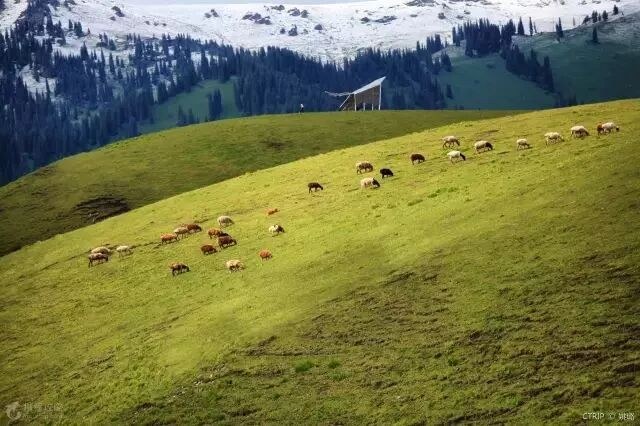
The G7 highway, known as “China’s Most Beautiful Expressway,” runs from Beijing to Urumqi, stretching 2,739 kilometers. About one-third of it connects with the Silk Road, passing through over a dozen types of terrain including deserts, gobis, grasslands, snow-capped mountains, and lakes.
Along the G7 route, you can find scenery that covers almost half of China.
Grasslands,
River,
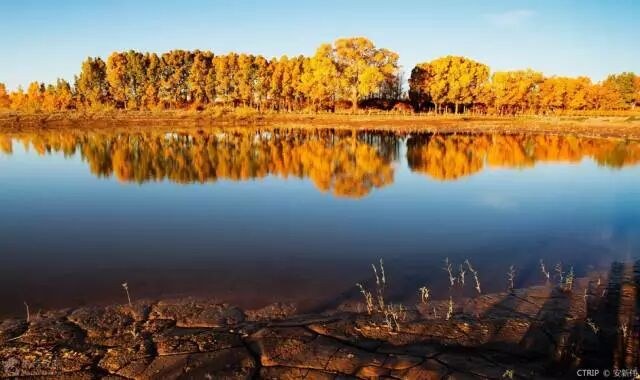
Forest,
Desert,
GobiLake,Photography: Wolf Walker abcPhotography: Northwest Hui Wolf
Snow mountains,High mountains,village
Prairie green, Gobi gray, desert yellow, sunset red, poplar gold, lake blue, forest green, glacier white, and magic lake pink.
But beneath this magnificent and diverse landscape, the G7 highway is also suffering from desertification.
It’s foreseeable that under the erosion of desertification, the G7 will one day lose its vibrant colors, leaving only the hue of sand and dust in the sky.
Greening the Most Beautiful Highway
Unlike the desertification caused by excessive logging in the Amazon rainforest, the G7 highway faces more natural factors—drought, loose surface materials, strong winds, and lack of vegetation—leading to desertification.
In 2018, to improve the desertified natural environment along the G7 Beijing-Xinjiang Expressway and prevent the damage and threats of wind, sand, and soil erosion to transportation infrastructure, Cadillac, together with a national-level foundation, the Chinese Academy of Sciences, local government departments and relevant agencies, as well as Cadillac dealers nationwide, launched the “Sand Taming” Plan and the “Little Poplar” Plan to protect the ecological environment and cultural landscapes along the G7.
Swipe left or right on the image to see more.
In 2018, a Cadillac all-SUV public welfare convoy personally planted saplings along the G7 highway, contributing to tree planting and sand control.
The G7 conservation initiative launched by Cadillac has planted over ten species, including poplar, tamarisk, and sandwillow, in Aral and Qitai in Xinjiang, as well as Ejina in Inner Mongolia. In 2018, nearly 180,000 trees were planted, helping to restore the ecology of areas threatened by desertification along the G7 highway and protecting “China’s most beautiful highway” through concrete action.Tens of thousands of sand-binding vegetation act like a pair of giant hands, guarding the breathtaking, majestic scenery along the G7 highway. Among them, color experts from the Pantone Color Institute were particularly drawn to one vibrant plant—the Populus euphratica, or desert poplar.
Even the nearly 80-degree temperature difference between day and night cannot stop the determination of the poplar seeds to drape this loess land in a touch of green.
Recently, Cadillac joined forces with Pantone to officially release a custom color—“G7 Green”.The inspiration for “G7 Green” comes precisely from the unique green of the moment when poplar seeds along the Ejina Banner section of the G7 Highway, known as “China’s Most Beautiful Highway,” bravely break free from the soil’s constraints.
This fresh green originates from a yearning for life, representing every brave beginning and every courageous force that guards the G7 Highway.
Additionally, the Pantone Color Institute offered a deeper interpretation of the exclusive “G7 Green” shade: all greatness stems not only from brave beginnings but also from a thirst for life.”G7 Green” is a color that symbolizes new beginnings, conveying a spirit of optimism, confidence, and determination that inspires us to start boldly and create our own greatness. It guides us to break free from constraints and daringly forge a new future.
Cadillac firmly believes that courage brings more vitality to the world.The color inspiration for “G7 Green” comes from the unique green of poplar seeds bravely breaking through the soil along the G7 highway, known as “China’s most beautiful highway.”
In the future, Cadillac will use “G7 Green” as its trendsetting base color, collaborating with cross-border brands to launch stylish products that combine fashion with public welfare. Starting from the spiritual and cultural needs of the younger generation, it will use its brand influence to call on the public to pay attention to and participate in charitable causes.
While fulfilling corporate social responsibility, it actively creates a richer and more diverse new American luxury experience in the field of public welfare.
But we also know that public welfare always requires the power of many, drop by drop a river forms, grain by grain a tower rises.
Those who can, do
Those who can speak, speak
With every bit of warmth, shine a bit of light
Even like a firefly
You can still give off a little light in the dark
Click “Read More” to plant a poplar tree of yours for G7!
Tag navigation
Explore articles that share the same tag and jump to tag pages.
Category navigation
Jump to the article’s category or explore nearby topics.
Chinesische Landschaften, die das Denken herausfordern – Wie viele kennen Sie?
Jump to the more recent article in this topic series.
Chinesische Naturlandschaften, die man gesehen haben muss
Continue to the previous article in this series.
Related stories
More articles from the same category and nearby topics.