Chinese Cultural Context
Read, share, and explore related stories through curated categories and tags.
Looking at the development of Chinese civilization over thousands of years, from the萌芽 of ancient culture and the ideological foundation of the Shang and Zhou dynasties, to the divergence of philosophical schools, and on to contemporary cultural heritage and evolving times, Chinese culture has always maintained a continuous thread, innovating within tradition and holding onto its core while adapting to change. This has formed the unique spiritual foundation and cultural DNA of the Chinese nation.
The ideological roots can be traced back to the ancient Eight Trigrams culture. Fu Xi observed the phenomena of heaven and earth to create the Earlier Heaven Eight Trigrams, using eight basic symbols to summarize the patterns of all things in the universe. During the Shang dynasty, people practiced oracle bone divination, burning animal bones to interpret cracks as omens for good or ill, relying on the will of spirits and ancestors as guidance for action. Objectively speaking, Shang oracle inscriptions reflect both primitive spiritual beliefs and a means for rulers to control ideology and maintain royal authority. The preserved oracle bone inscriptions provide a real record of Shang political operations, social life, royal decisions, and popular thought, serving as invaluable material evidence for studying ancient history.
While under house arrest, King Wen of Zhou deduced the principles of the Yi (Book of Changes), expanding the Eight Trigrams into the sixty-four hexagrams, a key elevation of trigram culture. King Wen’s reinterpretation abandoned simple divination and prayer, containing a rudimentary scientific mindset: using yin and yang dialectics to view the opposition and transformation of all things, summarizing objective laws of rise and fall and the reversal of extremes, establishing a holistic and systematic cognitive framework. It also hinted at binary mathematical concepts and the wisdom of adapting to nature. At the same time, the trigram system retained the ancient tradition of divination for auspiciousness, though such predictions cannot objectively determine the essence of things, acting more as a spiritual outlet for ancient people. Overall, King Wen’s Eight Trigrams inherited ancient observational experience, natural understanding, and traditional beliefs, while incorporating his own reflections, laying the foundation for early Chinese rational thought.
On this basis of trigram philosophy, the Duke of Zhou established rites and music, perfecting the patriarchal system, feudalism, and human relations order, setting moral standards of loyalty, filial piety, humility, and virtue, and laying the ideological foundation for governance through virtue. Zhou culture thus took shape as a systematic, institutionalized social norm centered on the spirit of the Yi, ritual and music systems, and human ethics, no longer a scattered set of ideas. It gradually shaped the core cultural genes of the Chinese people—patriotism, self-cultivation, knowing when to advance or retreat, understanding gains and losses, and harmony—deeply ingrained in the nation’s bloodline ever since.
During the Spring and Autumn and Warring States periods, when rites collapsed, later ideologies all rooted themselves in the mother culture of Zhou, diverging and developing from it. Laozi drew on the core of the Yi Jing’s yin-yang changes and the principle of following nature, founding Taoism, which advocates simplicity, non-action, going with the flow, and hiding one’s brilliance. Confucius inherited the Duke of Zhou’s ideas of rites, music, and benevolence, establishing the Confucian school, which promotes active engagement in the world, adherence to ethics, and governing the country to bring peace to the people. These two schools share the same origin but hold vastly different approaches to life, becoming two major spiritual pillars influencing China’s development for millennia. Taoism later gradually evolved into a religious form, while Confucianism long persisted as the core ideology for ethical education and national governance, the two complementing and blending with each other.
Over thousands of years, stable agricultural civilization served as an important carrier for the long-term transmission of traditional Chinese culture. The settled lifestyle and clan-based social structure allowed ritual and music, moral codes, family traditions, and wisdom to be passed down through generations via family teachings and role models. Agriculture’s characteristics of following nature’s seasons and collaborative labor continuously aligned with the essence of Yi philosophy and Confucian and Taoist thought, solidifying the nation’s cultural foundation so that the core spirit never experienced a break.
Entering modern society, the times have profoundly changed the cultural landscape. Reform and opening-up drove rapid economic growth, large-scale population movement, and the gradual transformation of the traditional rural acquaintance society. Market economy concepts and diverse foreign ideas have continuously intermingled, creating periodic impacts on traditional etiquette, morals, and old-fashioned ethical views. People’s awareness of independence and competitiveness has grown, traditional complex rituals have been gradually simplified, and inherent ideological perceptions have changed, confirming the objective law that economic base determines superstructure.
However, this impact did not cause cultural rupture; the core of China’s indigenous culture has never dissipated. Today, China’s governance approach combining rule of law and rule of virtue is a modern integration of Confucian and Taoist thought and the wisdom of Zhou-era virtuous governance. Confucian benevolence and moral education unite social hearts, Taoist principles of following nature guide institutional construction, and legal rules set behavioral boundaries, adapting ancient governance wisdom to contemporary societal needs.
After millennia of transmission, divergence, impact, and integration—from Fu Xi’s Eight Trigrams, King Wen’s deduction, the Duke of Zhou’s rites, to the birth of Confucian and Taoist thought, and the compatible development of modern civilization—Chinese culture has always held onto the core genes of advocating virtue, harmony, going with the flow, and placing family and country at the center. Traditional thought continuously sheds feudal and backward elements, absorbs nutrients from modern civilization, undergoes self-innovation amid changing times, preserving the origin of national spirit while adapting to social development trends—everlasting, passed down from generation to generation.
Tag navigation
Explore articles that share the same tag and jump to tag pages.
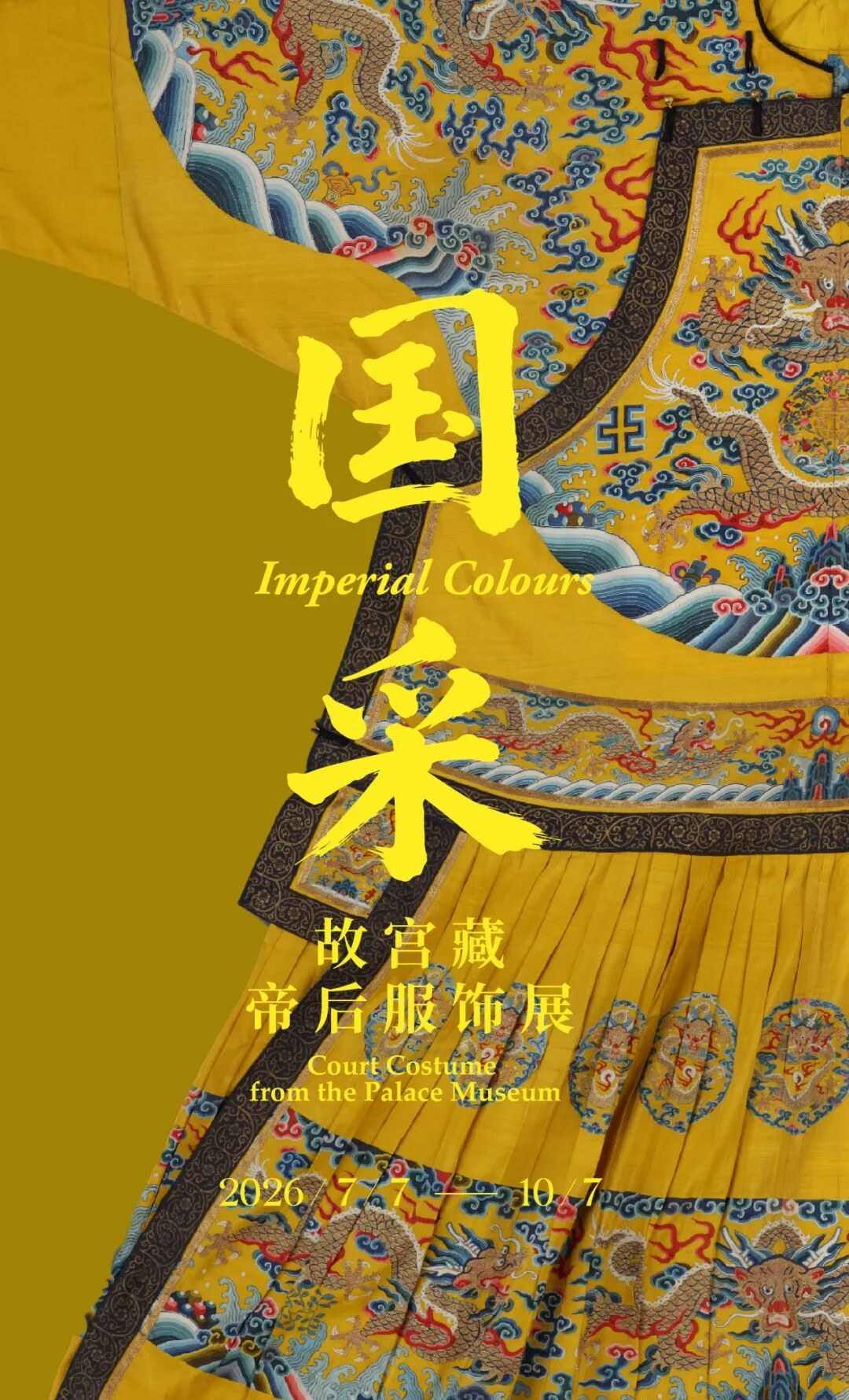
Ausstellungshighlights im Sommer: Eine Welle großartiger Museumsausstellungen versammelt sich→
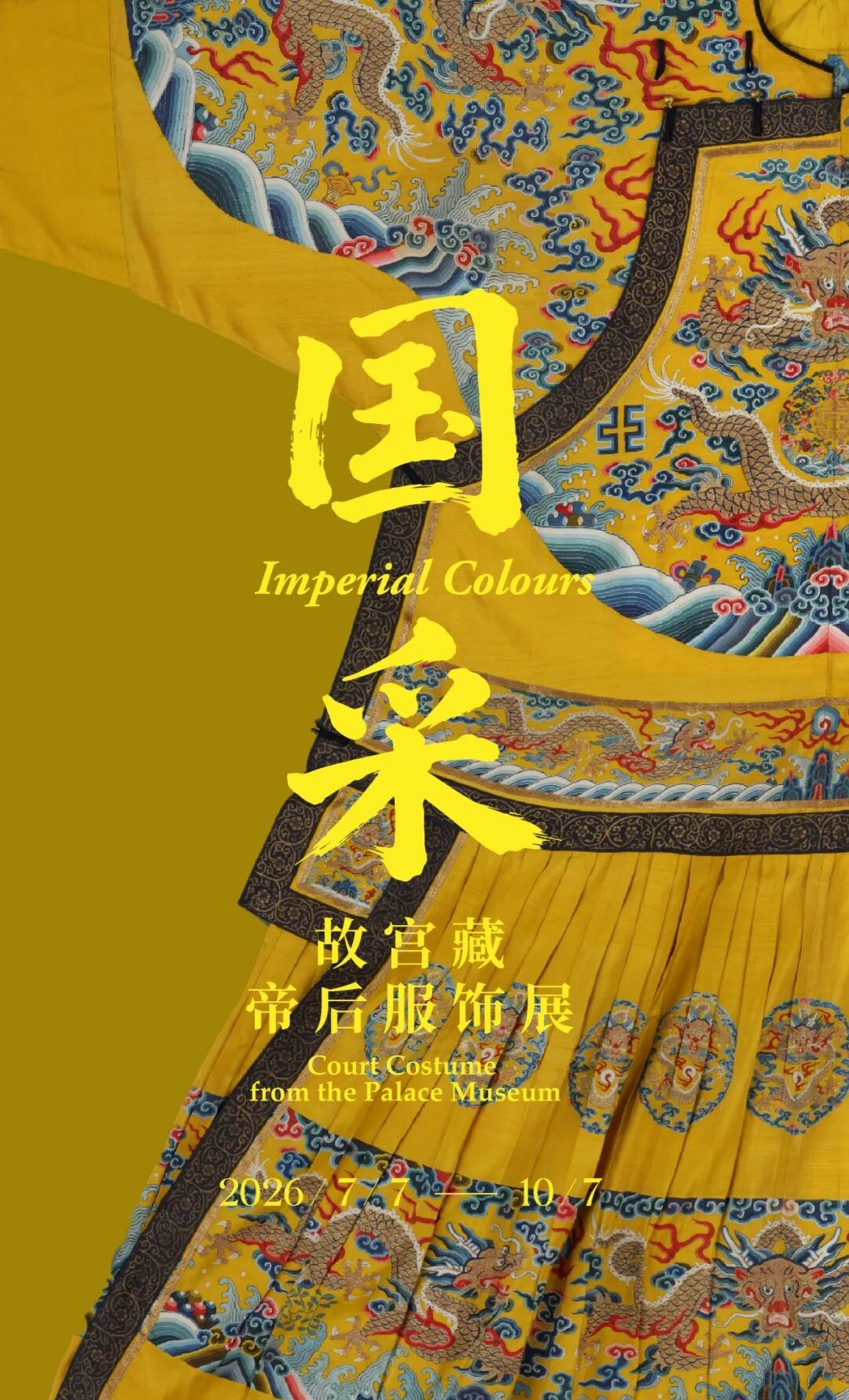
Sommerliche Ausstellungshighlights: Eine Welle großartiger Museumsausstellungen versammelt sich→

Wie kommt es, dass alle alten Städte in China gleich aussehen? Das ist so langweilig.
Category navigation
Jump to the article’s category or explore nearby topics.
„Stadt der chinesischen Thermalquellen“ – Diese 9 Thermalquellen solltest du dir merken! Komm, sobald es schneit, um ein Bad zu nehmen ~
Jump to the more recent article in this topic series.
【Chinesische Kultur】Die vier großen klassischen Romane: Geschichten, die auch nach Jahrhunderten noch berühren
Continue to the previous article in this series.
Related stories
More articles from the same category and nearby topics.