China's World Heritage Sites +1! Have You Visited These World Heritage Sites in Hebei?
Read, share, and explore related stories through curated categories and tags.
September 17
China’s World Heritage nomination
“Pu’er Jingmai Mountain Ancient Tea Forest Cultural Landscape”
was successfully inscribed on the World Heritage List
China’s total number of World Heritage sites has risen to 57
Among these 57 World Heritage sites
Our Hebei Province has 4
Come and check them out
↓↓
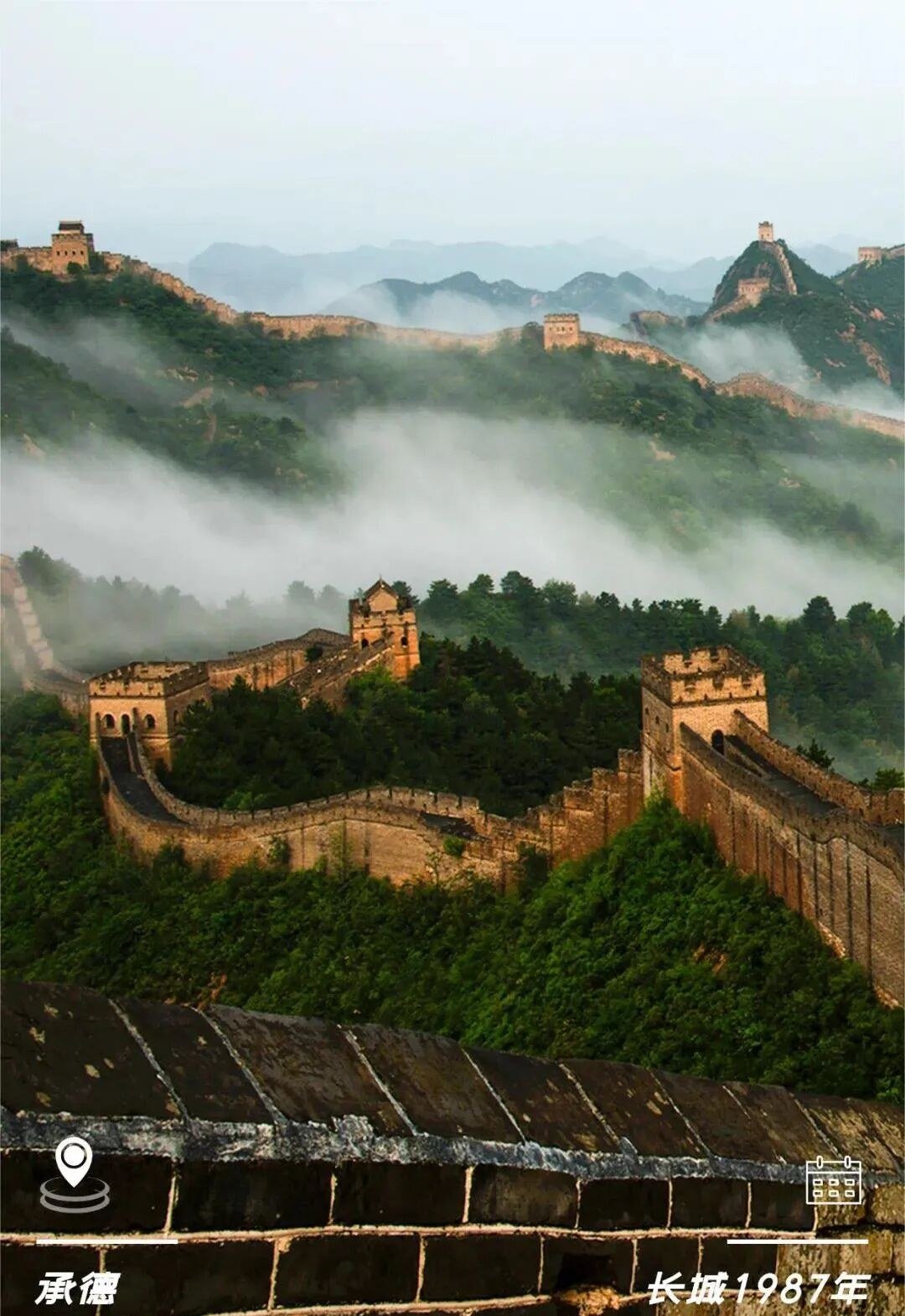
The Great Wall
Known as “China’s first military engineering project in ancient times”
Stretching across 15 provinces, municipalities, and autonomous regions
Including Hebei, Beijing, Tianjin, etc.
It was inscribed on the World Heritage List in 1987
Within Hebei Province, there are existing sections
From the Warring States, Qin, Han, Northern Wei
Northern Qi, Tang, Jin, and Ming dynasties
The Great Wall passes through 9 prefecture-level cities
59 counties (cities, districts)
Among them, the Ming Great Wall in Hebei
Starts from Laolongtou at Shanhai Pass in the east
Extends to Mashi Pass in Huai’an County in the west
And reaches Wu’an in Handan in the south
With a total length of 1,338.63 kilometers
The wall consists of 1,153 sections
Including 5,388 individual structures
302 passes and forts
And 156 related relics…
The Chengde Mountain Resort and Its Outlying Temples
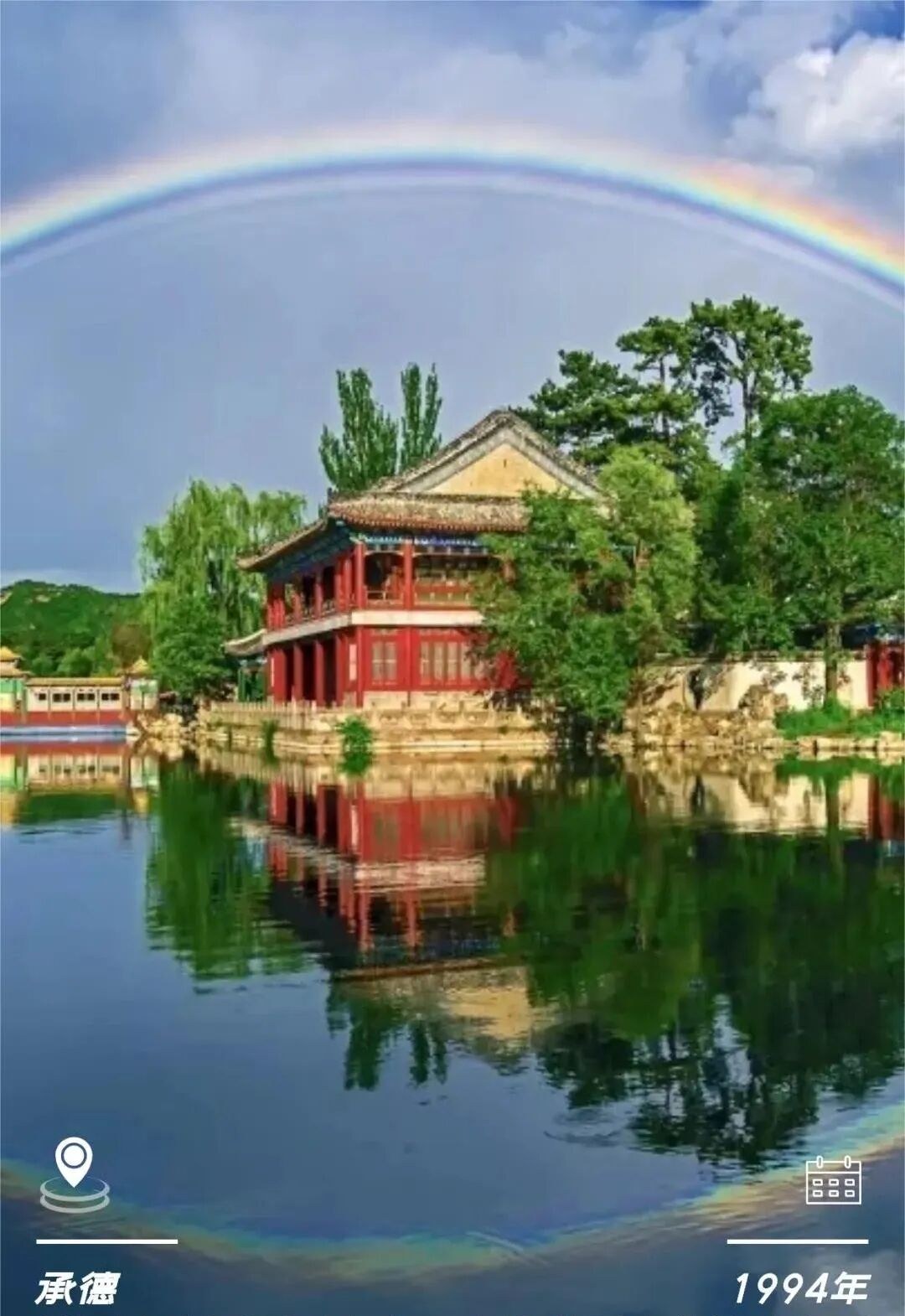
The Chengde Mountain Resort
was first built in 1703
and took 89 years to complete
through the reigns of Emperors Kangxi, Yongzheng, and Qianlong of the Qing Dynasty.
It is the largest existing classical imperial garden in China.
Surrounding the resort are
the Eight Outlying Temples—
a cluster of imperial temples that blend
architectural styles of Han, Manchu, Mongol, Tibetan, and other ethnic groups,
embodying the essence of ancient Chinese architectural art.
Exquisite in craftsmanship and grand in scale,
they exude an imperial aura.
In 1994,
the Chengde Mountain Resort and its outlying temples
were inscribed on the World Heritage List.
Imperial Tombs of the Ming and Qing Dynasties
Built during the Ming and Qing dynasties in China,
the imperial tomb complexes—
Xianling Tomb, Eastern Qing Tombs, and Western Qing Tombs—
were inscribed on the UNESCO World Heritage List in 2000.
The Ming Xiaoling Tomb, the Ming Tombs (2003),
as well as the Yongling, Fuling, and Zhaoling Tombs of the Qing Dynasty (2004),
were added as extensions
to the World Heritage List.
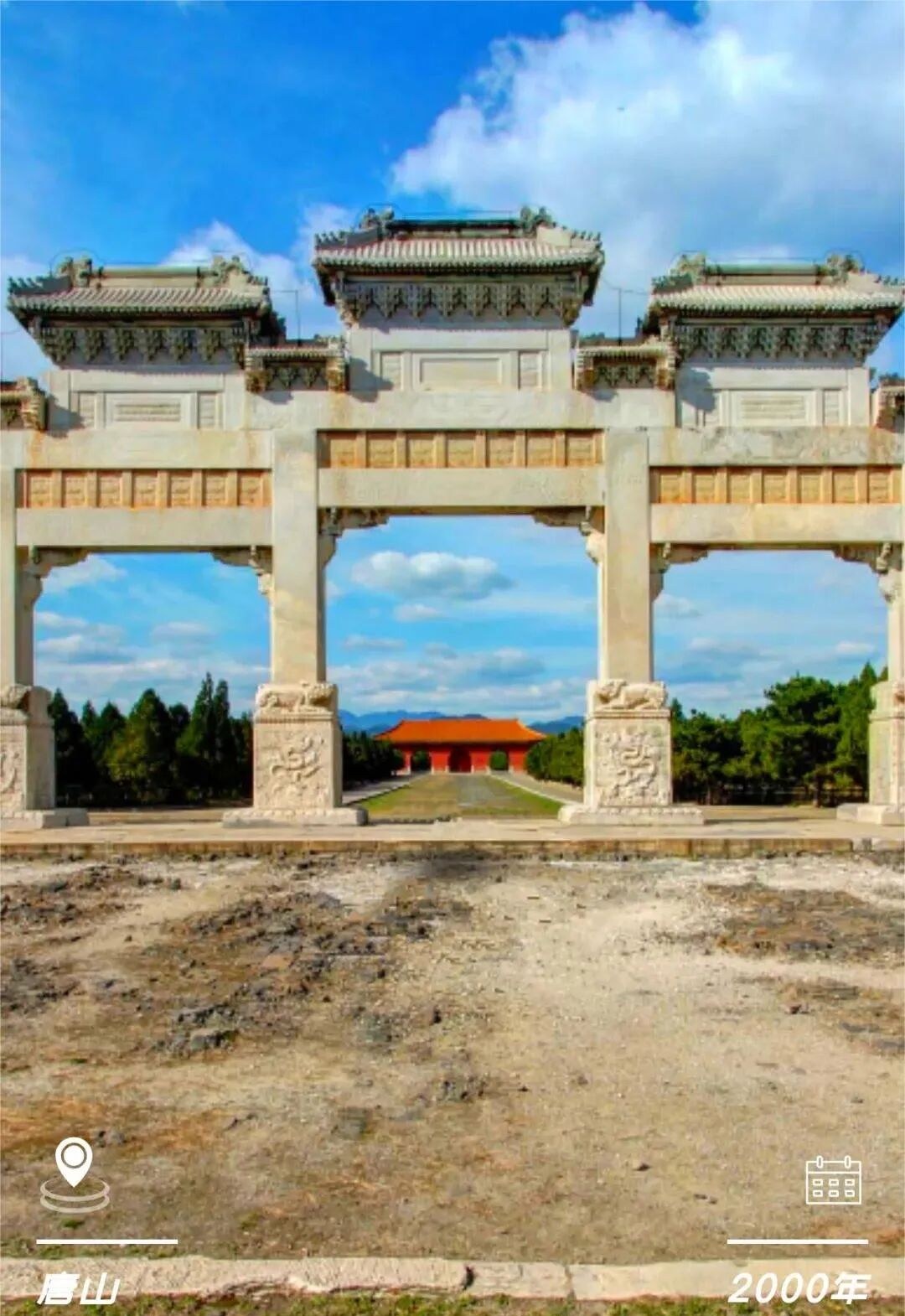
The Eastern Qing Tombs, located in Tangshan City,
are the largest, most complete,
and best-laid-out imperial mausoleum complex in China.
First built in 1661,
they feature the widest existing stone memorial archway
with mortise-and-tenon imitation wood structure,
the underground palace of Emperor Qianlong’s Yuling Tomb,
renowned as a “treasure house of stone carving art” and “underground Buddhist hall,”
as well as lifelike stone statues
and the “Five-Tone Bridge,” which rings like a golden bell when struck.
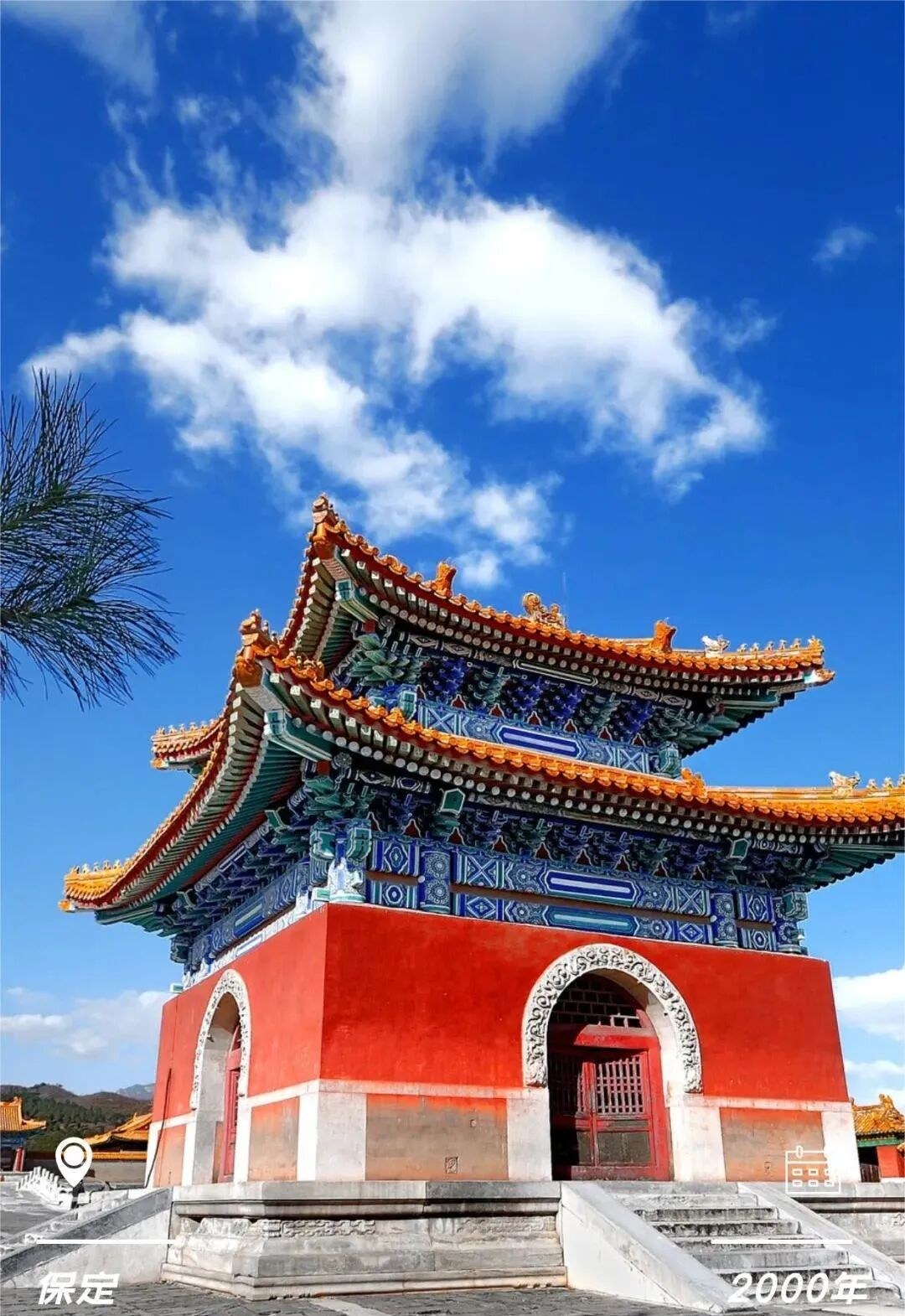
The Western Qing Tombs are located in Yi County, Baoding.
They are the last imperial mausoleum complex of the Qing Dynasty.
There are a total of 14 tombs.
It is the best-preserved
and most complete in terms of tomb architecture types
among ancient royal mausoleums.
Here, you can find the world’s largest
triangular stone archway complex,
the only echo wall and echo stone in ancient tombs,
and the world’s largest nanmu dragon-carving hall…
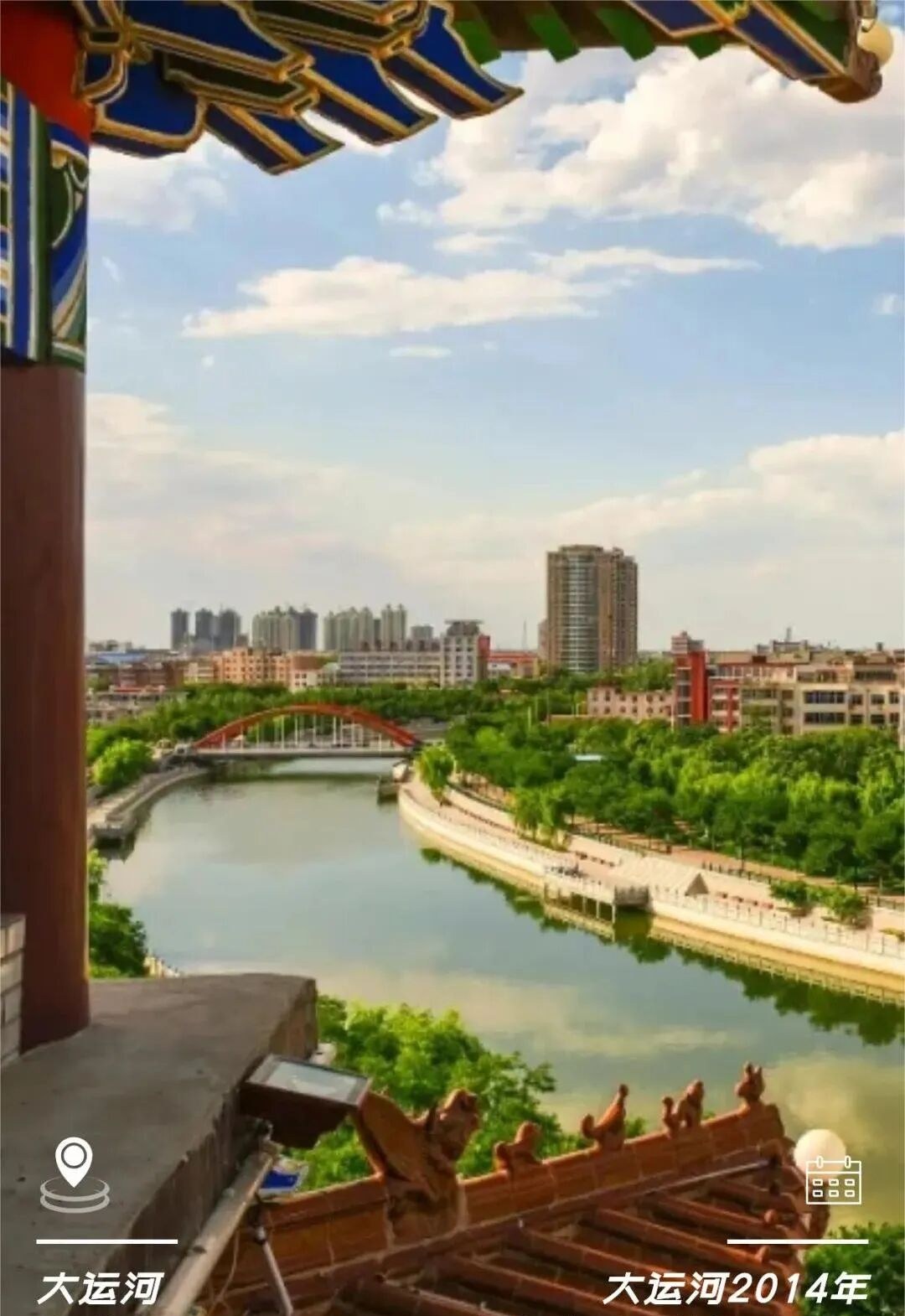
The Grand Canal
It connects five major water systems from north to south,
Flows through eight provinces and cities,
And is the earliest excavated,
Largest in scale,
And longest man-made river in the world.
In 2014, it was inscribed on the World Heritage List.
The Grand Canal (Hebei section) stretches 530 kilometers in total,
Including the North Canal, South Canal, Wei Canal,
Wei River, and the Yongji Canal ruins.
It flows through Langfang, Cangzhou, Hengshui,
Xingtai, and Handan—five cities in total.
Among them, the Cangzhou–Hengshui segment of the South Canal,
The Xiejia Dam in Lian Town, Dongguang County, Cangzhou,
And the Huajiakou rammed earth embankment in Jing County, Hengshui—
Together known as “two points and one section”—
Are listed as World Heritage sites.
The National Day and Mid-Autumn Festival holidays are coming soon.
During this break,
why not embark a World Heritage journey?
A guide to China’s 57 World Heritage sites—
save it quickly
and see which one you want to visit most.
↓↓





More News
First 18 Announced! Latest Notice from Hebei
Former Mayor of Xining Kong Lingdong Expelled from Party and Public Office
Source | Compiled from Hebei Daily, Hebei Culture and Tourism Release, Hebei Tourism, People’s Daily
**[Editor | Cao Ying]**Click the card below to follow Hebei Daily.Tap “WOW” and share it so more people can see↓↓↓
Tag navigation
Explore articles that share the same tag and jump to tag pages.


Category navigation
Jump to the article’s category or explore nearby topics.
Mit 30 Jahren reist er durch China mit dem Fahrrad, findet die wahre Liebe, mietet ein ländliches Häuschen, gärtnert und malt, lebt mit ganzem Herzen!
Jump to the more recent article in this topic series.
Das chinesische "Welterbe" im Film, wie viel kennst du davon?
Continue to the previous article in this series.
Related stories
More articles from the same category and nearby topics.