How Many of China's World Heritage Sites in Films Do You Know?
Read, share, and explore related stories through curated categories and tags.
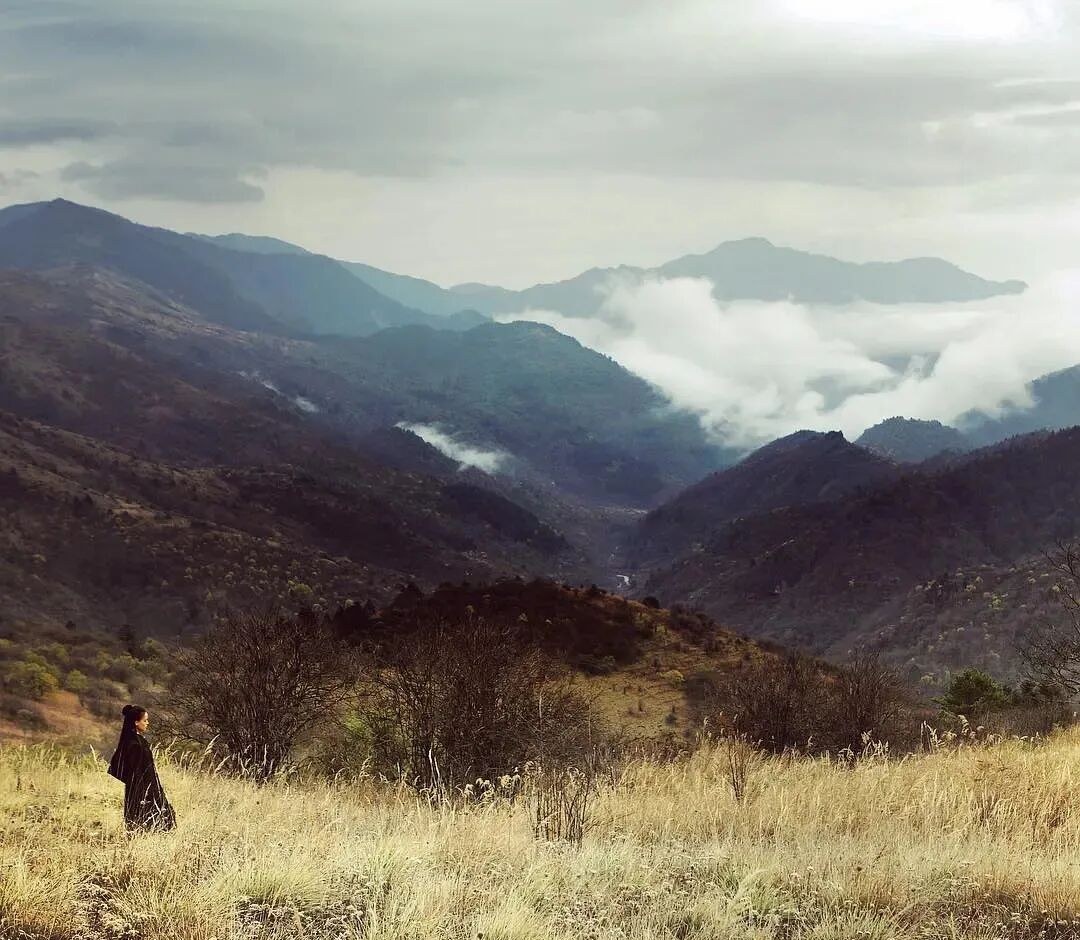
Today (June 12) marks the fifth “Cultural and Natural Heritage Day.”
When it comes to “World Heritage,” which includes tangible heritage (cultural heritage, natural heritage, and mixed cultural and natural heritage) and intangible cultural heritage, what images instantly come to your mind?
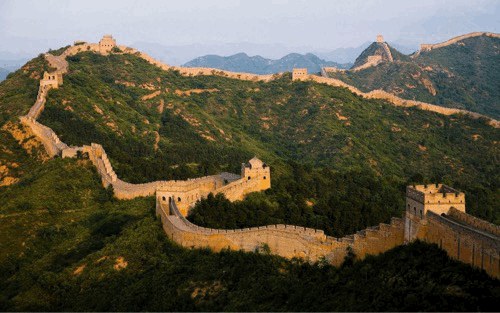
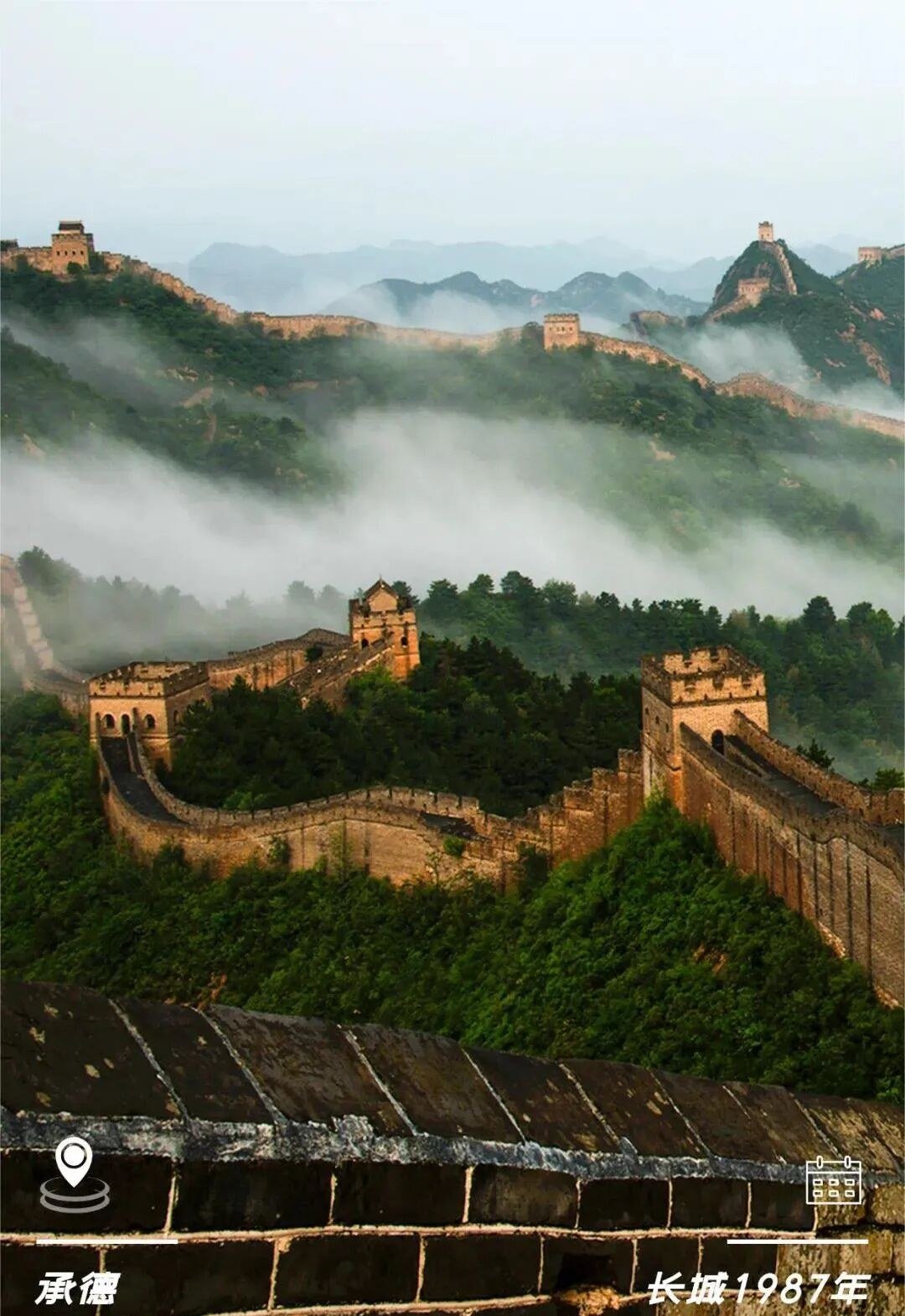
When most Chinese people think of cultural heritage, the Great Wall comes to mind first. According to the World Heritage List, China has 55 tangible cultural heritage sites inscribed on it, tying with Italy for the most in the world. At the same time, China boasts 39 national intangible cultural heritage items and 10 memory of the world heritage items.
Behind China’s world tangible and intangible cultural heritage lies the thread of historical development, cultural confidence, and the boundless charm of civilization.
**And film is an important tool for us to document all of this, present it to the world, and pass it down to future generations.**Part.1
World Cultural Heritage
China has listed 37 world cultural heritage sites in the World Heritage List, showcasing the past, present, and future of this giant dragon in different films. They are the shared treasures of all humanity.From top to bottom:
The Great Wall (from The Great Wall), the Forbidden City of the Ming and Qing Dynasties (from The Last Emperor)
The Ancient Building Complex in the Wudang Mountains (from The Karate Kid), the Terracotta Warriors (from The Myth)
From the Great Wall, hailed as “an outstanding testimony to ancient Chinese civilization,” to the Forbidden City, “the world’s largest and best-preserved ancient architectural complex,” from Wudang Mountains, the “Taoist holy land,” to the Terracotta Warriors, “the Eighth Wonder of the World”… These magnificent historical relics are at the heart of the glorious Eastern civilization.
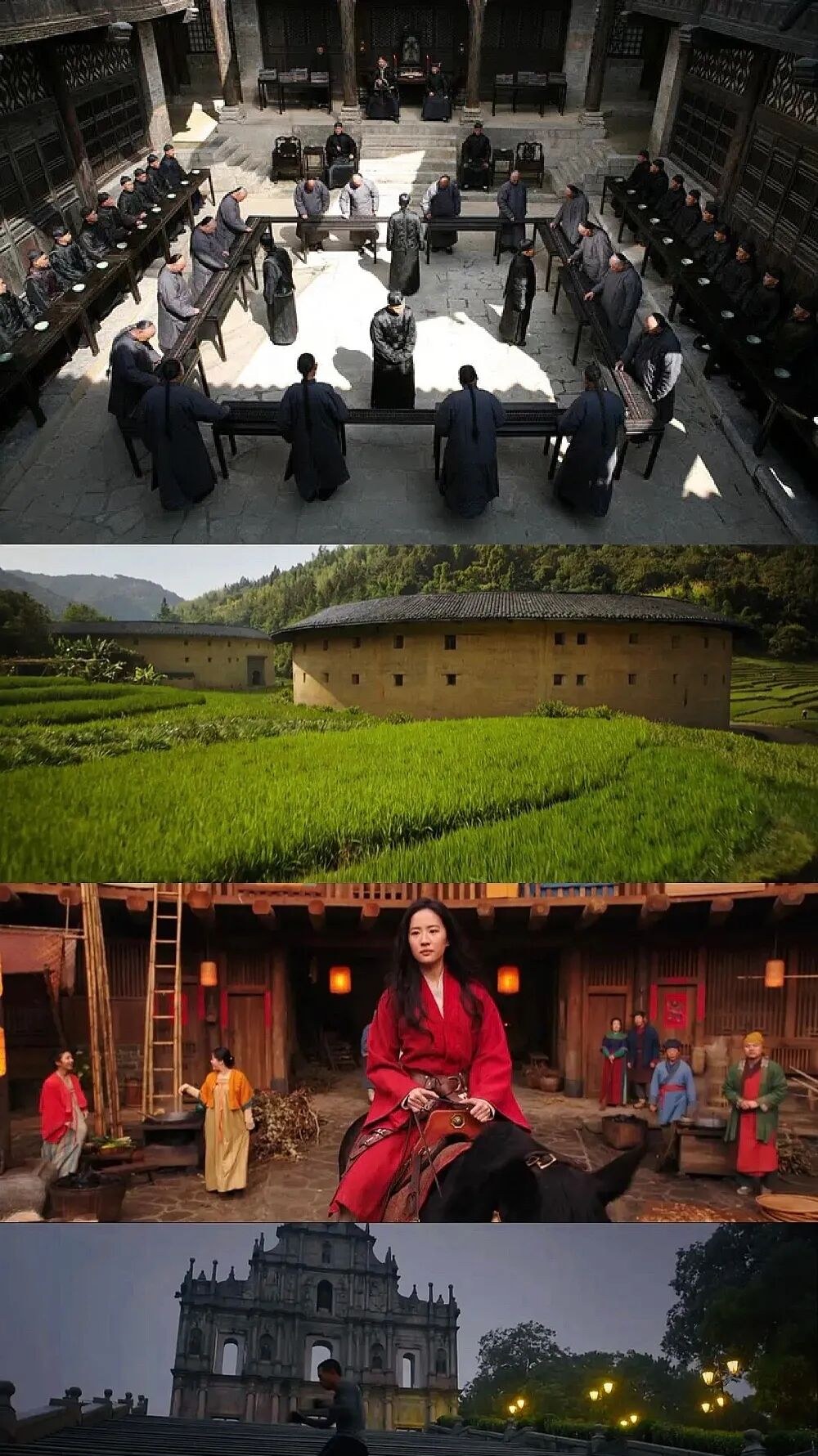
From top to bottom:
Pingyao Ancient City (The Silver Empire), Fujian Tulou (Mulan)
Macau Historic Centre (The Brink)
And Pingyao Ancient City, Fujian Tulou, and the Macau Historic Centre all showcase the ever-evolving lifestyles, clan ethics, and economic forms of people from different regions of northern and southern China throughout history…
**Every carving, every pattern, weathered by wind and rain, tells the stories of generations past.**Part 2
World Natural Heritage
World natural heritage sites are the essence of the earth. China is home to 14 of them.
Wulingyuan, located in Zhangjiajie, Hunan, was inscribed on the World Heritage List in 1992 for its series of features, including “a natural labyrinth, a geological museum, a kingdom of forests, a botanical garden, and a paradise for wildlife.”
Among its attractions, the “Southern Sky Column” at the southern end of the Yuanjiajie Scenic Area—steep, rugged, and varied in form—served as the inspiration for the floating “Hallelujah Mountains” in the movie Avatar.
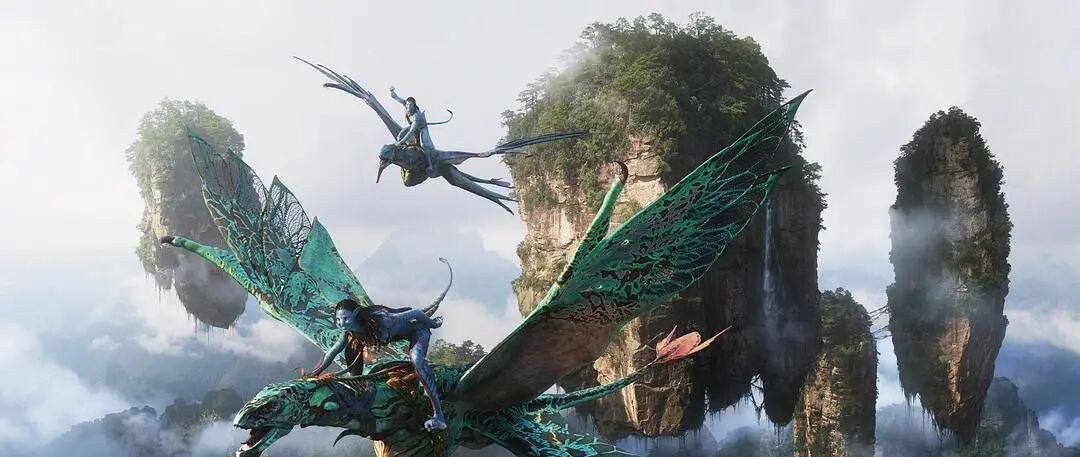
Wulingyuan (Avatar)
After the movie became a global hit, hundreds of millions of viewers at home and abroad have been yearning to visit Zhangjiajie.
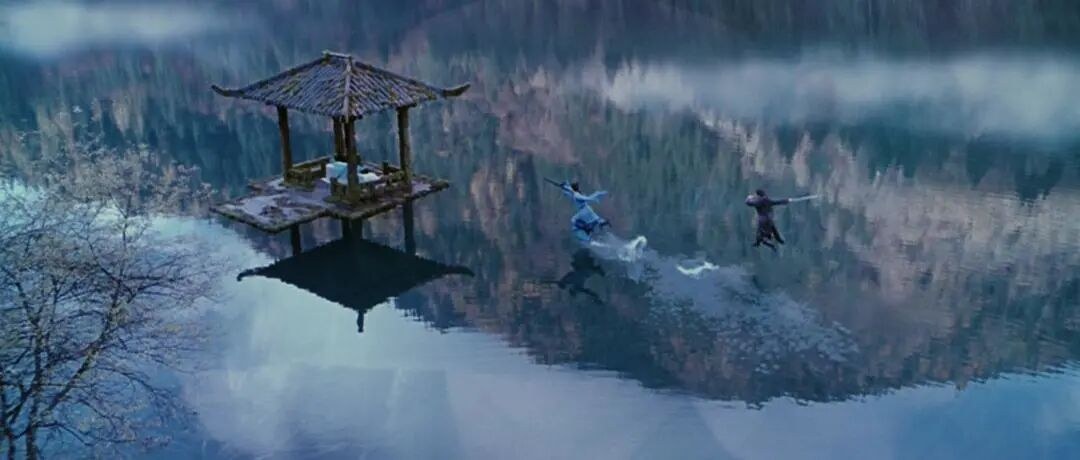
Jiuzhaigou (Hero)
In the film Hero, Nameless (Jet Li) and Broken Sword (Tony Leung) face off over the mirror-like blue waters at Arrow Bamboo Lake, one of Jiuzhaigou’s iconic spots and also a “granary” for giant pandas.
Shennongjia (The Assassin)
With its cascading peaks and seas of mist, the dreamlike Shennongjia adds a touch of breathtaking beauty to The Assassin.
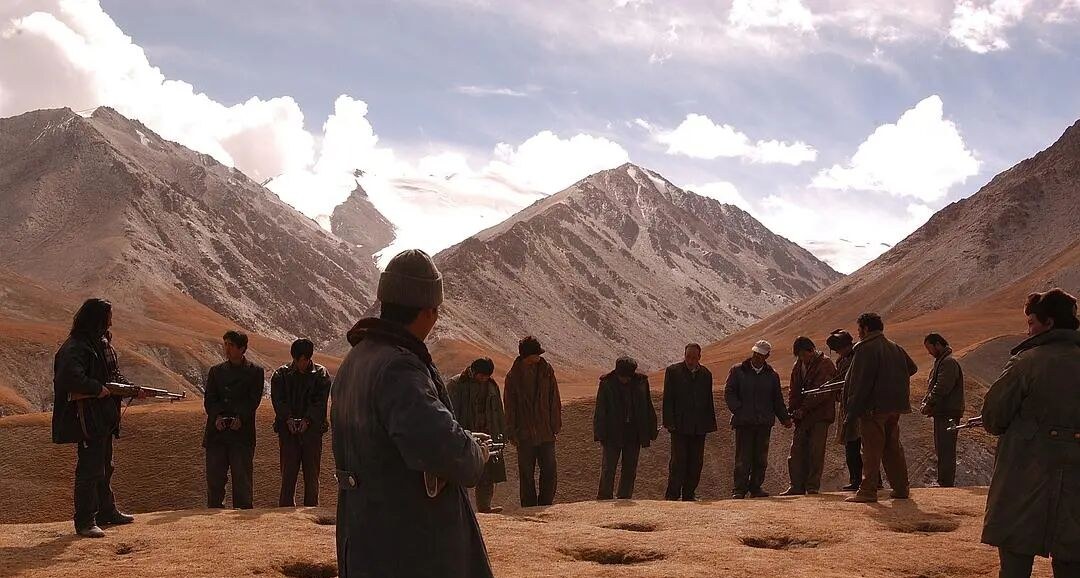
Kekexili (Mountain Patrol)
Kekexili, this pure land of humanity, is a holy place in the hearts of many.
It’s through Lu Chuan’s film Mountain Patrol that many people learn how many poaching deals for Tibetan antelopes happen here.
Applying for World Heritage status is for better protection.
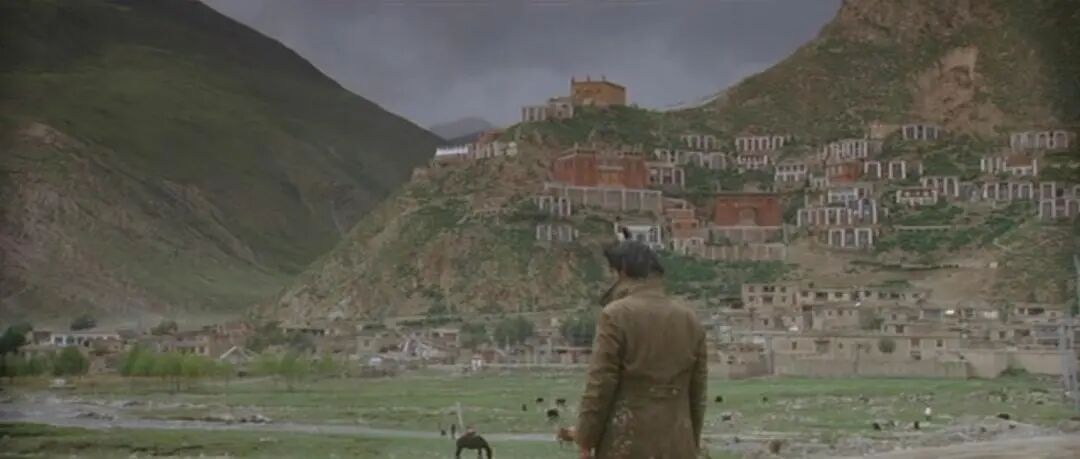
Hoh Xil is the largest World Heritage site in China by area. Protecting the future of this pristine land and maintaining the harmonious coexistence between humans and nature is a monumental and enduring task.Part 3
Mixed World Cultural and Natural Heritage Sites
Mixed World Cultural and Natural Heritage Sites not only embody the miraculous transformations of nature over billions of years but also carry the rich accumulation of world civilization’s long history. In the World Heritage List, China has four such mixed heritage sites.
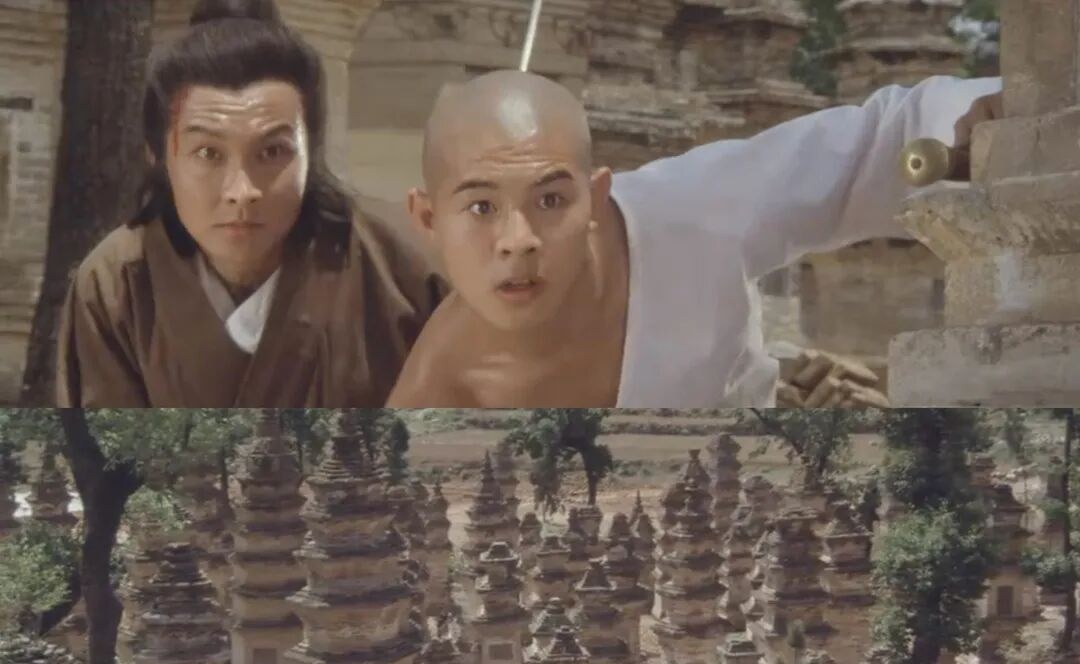
Mount Tai (from Shaolin Temple)
The forest of pagodas at Lingyan Temple in Mount Tai, featured in Shaolin Temple, still appears exquisitely carved after enduring a thousand years of wind and rain.Mount Huangshan (Deng Xiaoping’s Visit to Mount Huangshan)
The movie “Deng Xiaoping’s Visit to Mount Huangshan” connects a great leader with a famous mountain, with the towering Mount Huangshan witnessing a magnificent and turbulent era.Mount Wuyi (The Forbidden Kingdom)
With its ink-wash painting-like scenery, Mount Wuyi is a favorite filming location for period films and TV dramas. Both the classic Journey to the West and The Forbidden Kingdom were shot at the foot of the Jade Maiden Peak in Mount Wuyi.
Generation after generation of filmmakers have used images to spread China’s cultural and natural heritage to the world, while our cultural and natural heritage also attracts more and more global filmmakers to shoot in China.In DreamWorks Animation’s Abominable, China’s breathtaking landscapes—Hangzhou’s Thousand Island Lake, the “Number One Marvelous Mountain” Huangshan, the Gobi Desert in Dunhuang, Yunhe Terraced Fields, and Mount Everest—are depicted with stunning detail.Mount Emei (from Abominable)
The appearance of the Leshan Giant Buddha in Sichuan, a UNESCO World Cultural and Natural Heritage site, can be considered the finishing touch of the film.Part 4
Intangible Cultural Heritage
Among the 39 items of national intangible cultural heritage, music and opera account for a very large proportion. Chinese opera has a long history, and from ancient times to the present, both on and off the stage, there are endless stories to sing.The Long Tune in The Long Tune
The film The Long Tune, which won the Exploration Spirit Award from the China Movie Channel Media Awards and the Special Jury Award, deeply impressed audiences with its long tune.
As a Mongolian hymn, it not only features a winding melody but also a blend of powerful and tender emotions. The lingering song Golden Holy Mountain also won the Most Promising Movie Song Award.The “Camel Caravan” series produced by Movie Channel incorporates elements of Hua’er folk songs.
The Hua’er opera, born from “when words fail, song speaks,” proves in “Camel Caravan” that as a part of life for people in the Northwest, it is far more than just a cultural symbol.The currently playing “White Snake: A Love of Emotions” is the first 4K panoramic sound Cantonese opera film in China.
With a long history, Cantonese opera combines singing, recitation, acting, and acrobatics, embodying the charm of traditional theater while being brisk, fluid, and adaptable. The film “White Snake: A Love of Emotions” uses cutting-edge film technology to immerse audiences in the beauty of this intangible cultural heritage.”Mei Lanfang” tightly intertwines the fate of man with that of Peking opera
Directed by Chen Kaige, “Mei Lanfang” vividly brings to life the legendary story of a man who embodied the eclectic and inclusive spirit of Peking opera—beautiful not only in its dazzling headpieces and costumes, but also in every note, every gesture.
Among the many forms of music and opera, Kunqu is one of the first to be listed in China’s National Intangible Cultural Heritage, and also the earliest Chinese opera to be designated by UNESCO as a “Masterpiece of the Oral and Intangible Heritage of Humanity.”
With its elegant lyrics, flowing melodies, and delicate performance, it is hailed as the “ancestor of all operas.""Wandering in the Garden, Waking from a Dream” incorporates elements of Kunqu opera.
For those who want to learn about Kunqu, “Wandering in the Garden, Waking from a Dream” and “Liu Ru Shi” are both great introductions.
In “Liu Ru Shi,” the unparalleled elegance of the foremost of the Eight Beauties of Qinhuai sways and charms through Wan Qian’s every smile and gesture, like jasmine scent playing with the moon, or green calyxes reflecting the snow.Especially when “Liu Rushi” sings Kunqu opera, the melodies are graceful, lingering, and profoundly soothing. That performance of The Peony Pavilion fully captures the charm of an elegy for the times.
Beyond this, there are many more intangible cultural heritages that, through the accumulation of time and across centuries of dust, carry the wisdom of our ancestors.In Once Upon a Time in China II, Wong Fei-hung introduces acupuncture to a foreign doctor.
Acupuncture, which originated in the Yellow Emperor’s Classic of Internal Medicine, is a precious legacy of traditional Chinese medicine and science. This therapy, capable of balancing yin and yang, strengthening the body’s resistance, and clearing the meridians, continues to prove its magic to the world through ancient martial arts films.
Kung fu and traditional Chinese medicine might be the first impressions foreigners have of China, and they are also the preferred way for foreign films to showcase Chinese elements. Among martial arts, Tai Chi is the most common school. Tai Chi Master, starring Jet Li, introduced our generation to the initial understanding of Tai Chi.”The Tai Chi Master” incorporates elements of Tai Chi
Tai Chi, which was just added to UNESCO’s Representative List of the Intangible Cultural Heritage of Humanity last year, embodies a philosophy that balances inner and outer cultivation, combining softness with strength—each movement reflecting the wisdom of Eastern culture.
**The upcoming Dragon Boat Festival was officially reviewed and approved by UNESCO in September 2009 to be included in the World Intangible Cultural Heritage, making it the first Chinese festival to be inscribed on this prestigious list.**The Dragon Boat Festival scene in Green Snake
Because of its origins in worshipping the dragon ancestor, praying for blessings, and warding off evil, the Dragon Boat Festival always carries a touch of fantasy. In movies like Green Snake, it becomes a key turning point for character relationships.
Beyond the screen, we also remember on this day to race dragon boats, eat zongzi, and honor Qu Yuan—another origin of the Dragon Boat Festival.”Qu Yuan” Movie Poster
Thank you to the films and the filmmakers for capturing these tangible and intangible cultural heritages that are gradually fading with time. Through these images, we can shorten the distance between ourselves and history, and between ourselves and our ancestors.
On Cultural and Natural Heritage Day, as the Dragon Boat Festival approaches, let us together appreciate the wealth and wisdom left by our ancestors. Wishing everyone a peaceful and healthy Dragon Boat Festival!Turn on the TV and watch a movie, hit “like”!
Tag navigation
Explore articles that share the same tag and jump to tag pages.
Category navigation
Jump to the article’s category or explore nearby topics.
Chinas Welterbe +1! Diese Welterbestätten in Hebei – hast du sie alle besucht?
Jump to the more recent article in this topic series.
Chinas Weltkulturerbe, eine seltene und unersetzliche Schatz
Continue to the previous article in this series.
Related stories
More articles from the same category and nearby topics.