Taste the Geography: How 'Shanhe Bianyin Micospace' Lets Us Savor the Land
Read, share, and explore related stories through curated categories and tags.


Imagine a cup of tea that transports you to a city’s geographical coordinates. This is the vision of China National Geographic’s ‘Windsoil Art Geography’ initiative, transforming gustatory experiences into immersive geological journeys.

At the 22nd Zhongshan Literary Festival, a special ‘Mountain River Flavor Microspace’ opened—a ‘windsoil living room’ blending natural elements with urban culture. Here, grass, soil, and seasonal breezes invite visitors to engage with nature through drink.
Unlike typical pop-up experiences, this project uses tea and coffee as mediums to explore geographical science. Over 70 years, China National Geographic has documented landscapes; now, it reframes data into sensory interactions, turning textbooks into tangible tastes.

Nature’s quiet majesty becomes the backdrop. The space redefines exhibits through immersive design, merging content with atmosphere as visitors sip and stay.

An ‘open interactive bar’ eliminates commercial barriers. Patrons engage in a multisensory ritual where dining becomes a ceremony of geography, moving beyond ordering to experiential discovery.
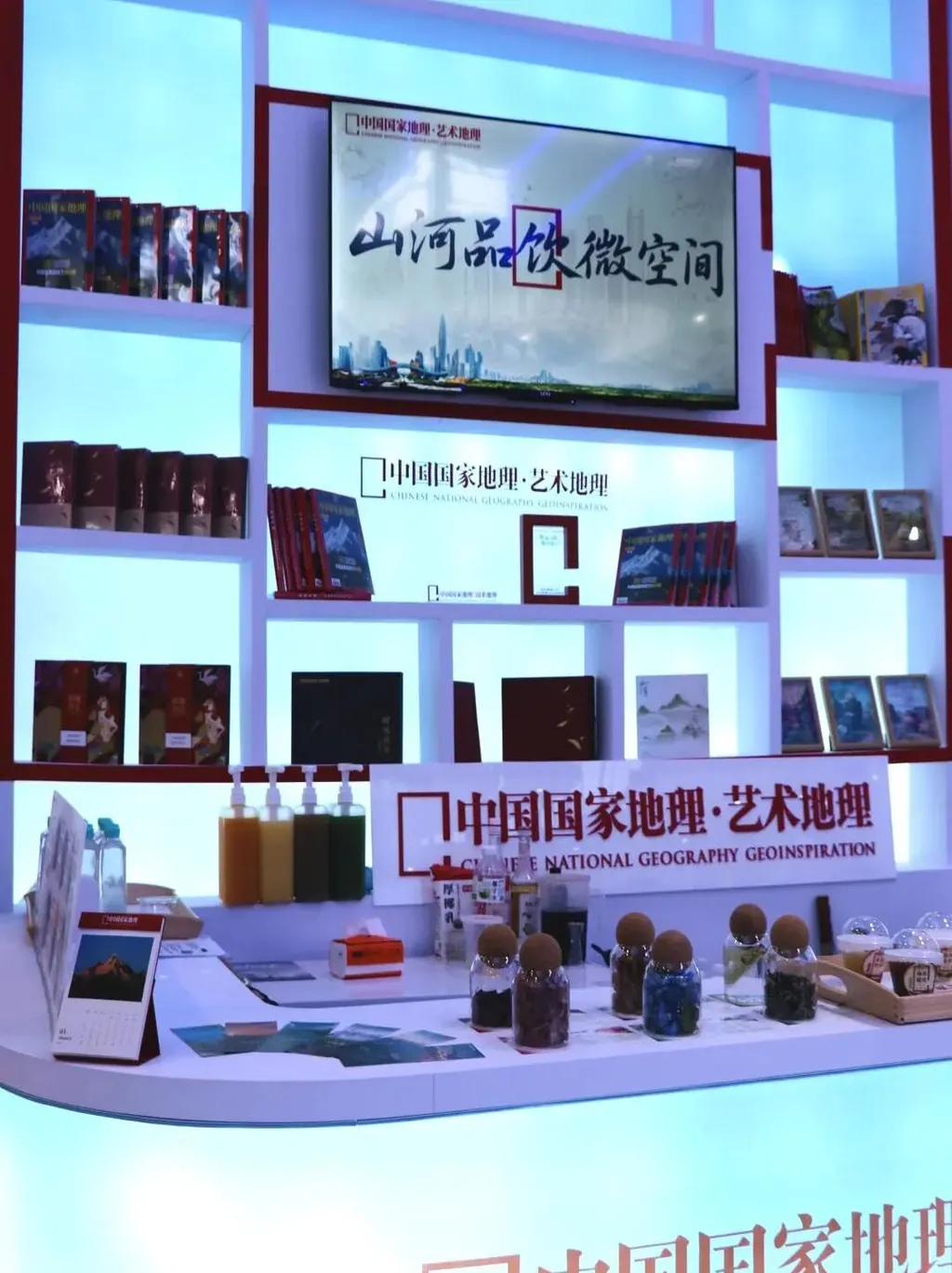
Scientific storytelling anchors the space. By linking local geology to curated flavors, it creates a ‘windsoil cold island’ where visitors pause to absorb knowledge amidst the festival bustle.
–

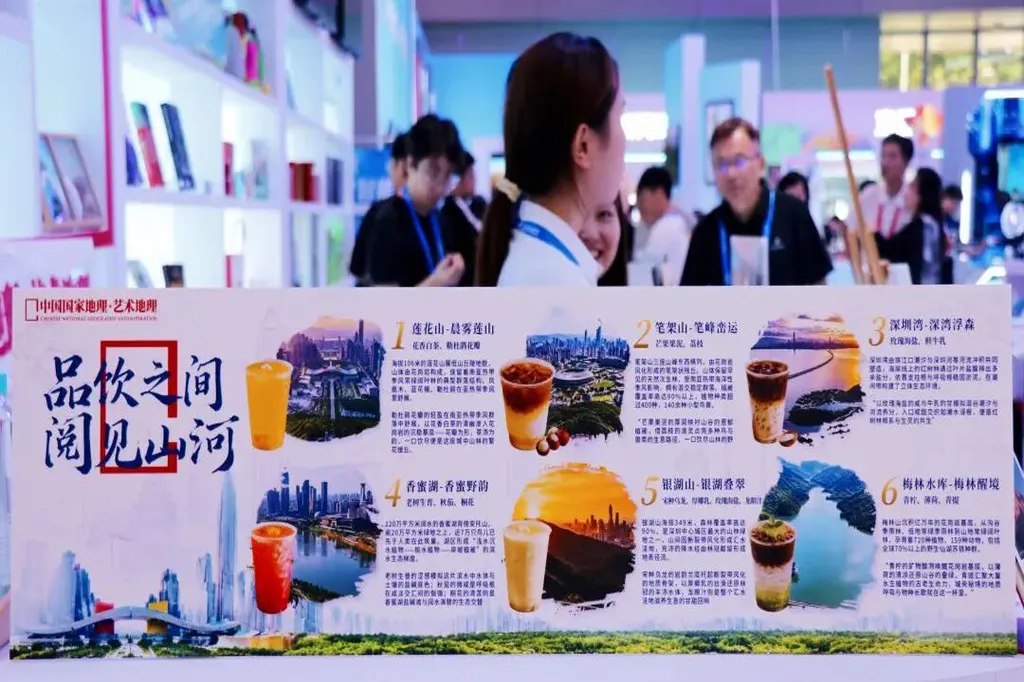
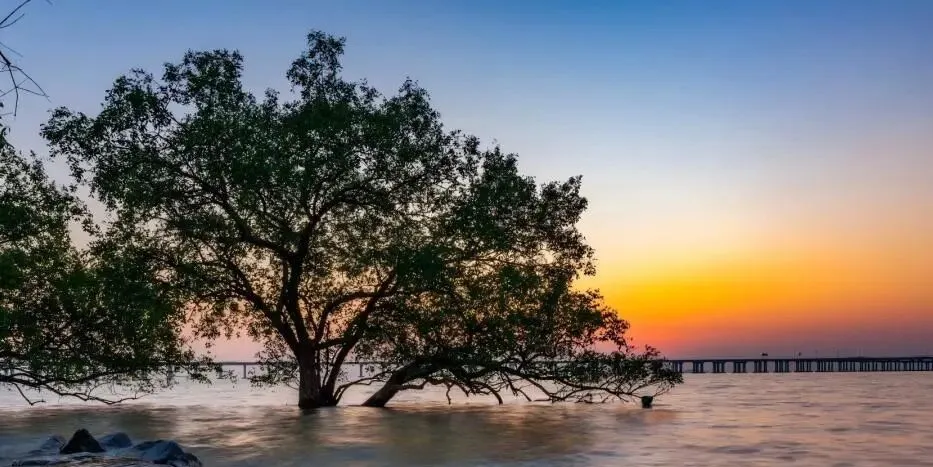
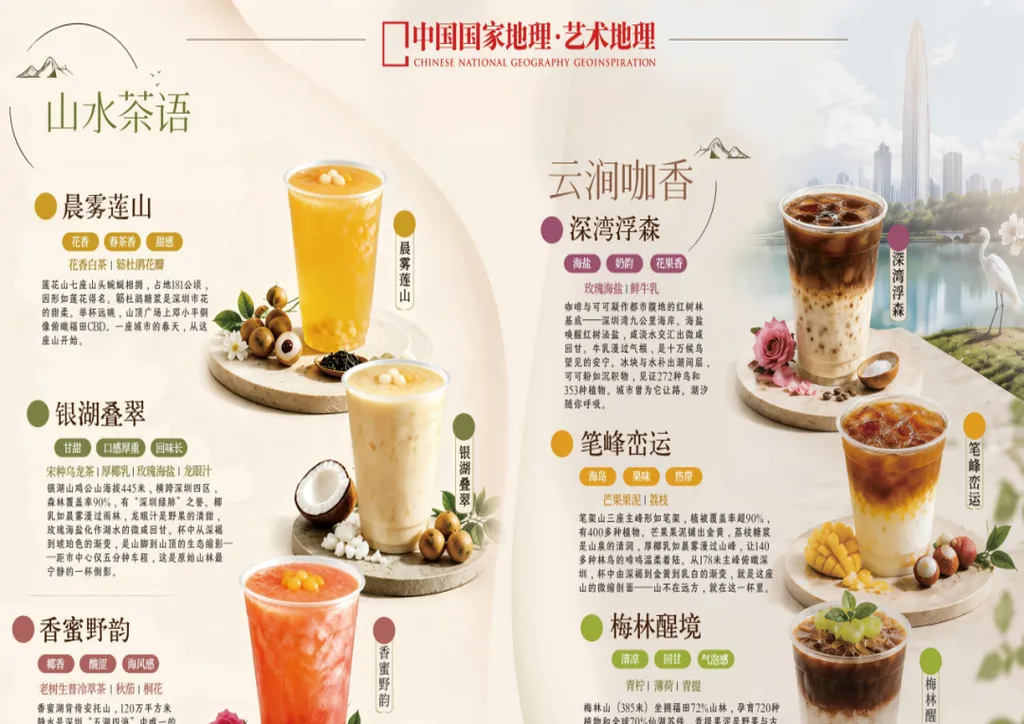
The project focuses on Shenzhen’s Fude District. Six custom drinks—each tied to local geography—translate natural elements into flavors. For example, ‘Haitang Sea Salt’ recall red mangroves’ salt-excreting roots, while ‘Melyin Lake’s Crystal’ mirrors the reservoir’s geological layers.
–
Each drink mirrors a landmark:
- Haitang Mangrove: Coffee and cocoa mirror seabed sediments; rose salt evokes mangrove salt production.
- Benjia Mountain: Mango pulp and pearl milk replicate forest density and stream dynamics.
- Melyin Reservoir: Quenching lime and mint awaken granite bedrock; green tea reflects water plant life.
- Lianhua Mountain: Orchid-white tea and chrysanthemum syrup mimic floral abundance.
- YinHu Mountain: Hong Cha base notes volcanic rock; dragon fruit juice captures valley water springs.
–
The experience unfolds in stages: awakening senses through native plants, tasting to feel geology, and taking away a commemorative map. This ‘immersive exploration’ turns passive observation into active engagement, making science poetic through flavor.
By linking Fude’s landmarks to drink formulation, this initiative demonstrates how geography can inspire culture. The model applies universally—any region can transform identity into sensory brand experiences.
‘Shanhe Bianyin Micospace’ transcends the festival. It proves that through scientific rigor and artistic expression, land stories gain emotional resonance, proving ‘bored’ land can spark imagination when science and art collide.’
Tag navigation
Explore articles that share the same tag and jump to tag pages.
Category navigation
Jump to the article’s category or explore nearby topics.
May Highlights in Shanghai: Brand Launches, Exhibitions, and New Experiences
Jump to the more recent article in this topic series.
Geographieunterricht für die Geschmacksknospen | Wie lässt der „Berg-und-Fluss-Genuss-Mikroraum“ Berge und Flüsse schmecken?
Continue to the previous article in this series.
Related stories
More articles from the same category and nearby topics.