By the Nanxi River, China's Ancient Village Cultural Film and Television Base is Getting Closer!
Read, share, and explore related stories through curated categories and tags.
To explore Nanxi River, you must follow “Nanxi River”
ID: yjnxj01
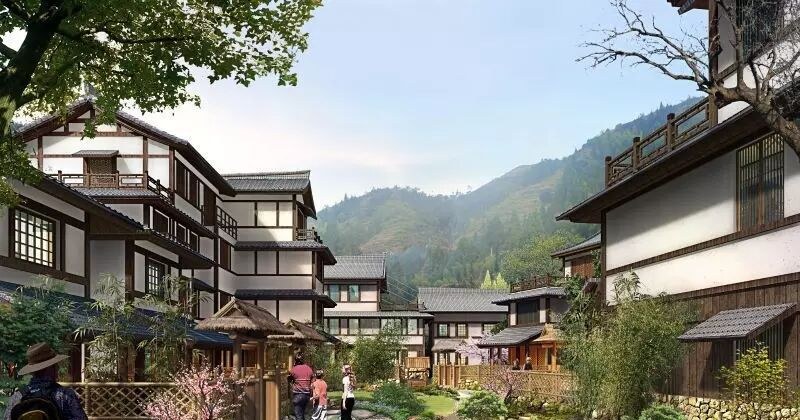
Recently, the villagers’ representative assembly in Yubei Village, Yantan Town, Yongjia County, unanimously approved the relocation of all original residents of the ancient village to a newly planned settlement set to break ground soon. The village collective will provide retro-style housing for the villagers, reclaim property rights to protect and utilize the ancient village. This marks a significant milestone for the Yubei Ancient Village Cultural Creative Valley project, also known as the Nanxi Zhuangyuan Village.
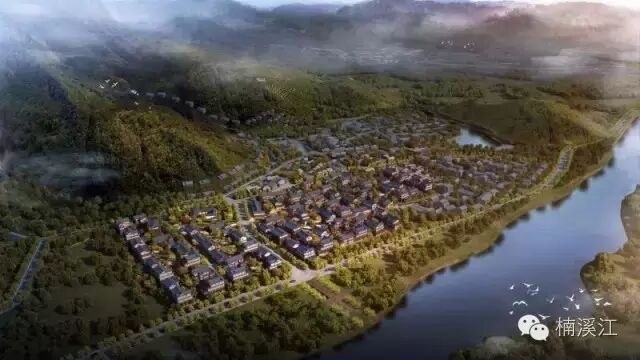
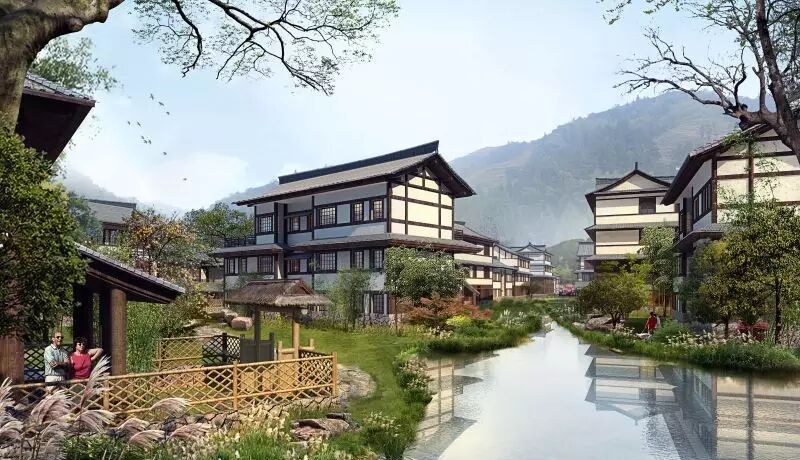
The Upcoming New Ancient Village of Yubei
Yubei Village is recognized as a “Famous Chinese Historical and Cultural Village,” a “Chinese Landscape Village,” and one of the “First Batch of Traditional Chinese Villages,” often hailed as “China’s Most Beautiful Ancient Village.” In June 2014, Shanghai Shimao Holding Group signed an agreement with Yubei Village in Yantan Town to launch the Nanxi Zhuangyuan Cultural and Creative Valley project. With a planned investment of 1.6 billion yuan and covering 1,130 mu, the project will make full use of the available land around the ancient village of Yubei to create a large-scale “Chinese Ancient Village Cultural and Creative Valley.” The main components include a “Chinese Ancient Village Cultural Film and Television Base,” a “Chinese Artwork Creative Production Base,” a “Chinese Ancient Village Leisure Eco-City,” and a “Chinese Ethnic Culture Ancient Village Architecture Base,” aiming to turn Yubei Village into a “Chinese Ancient Village Culture Museum.”
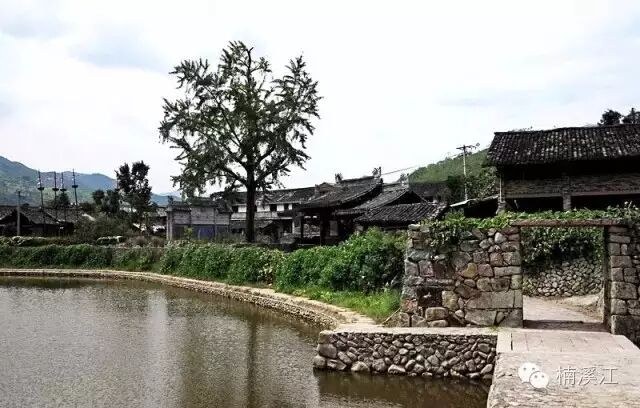
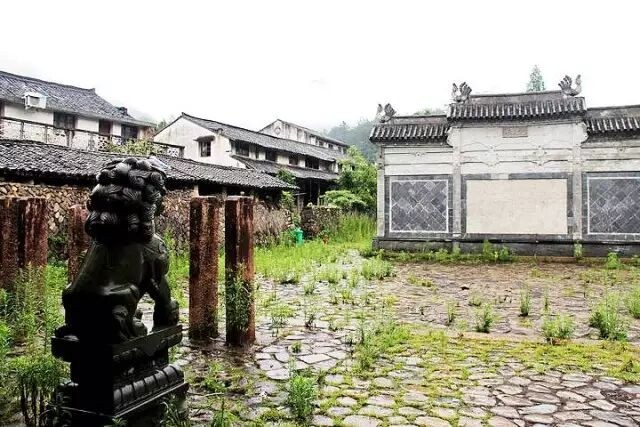
Surrounded by green mountains and embraced by a moat that flows southward, the mountain ridges here unfold like lotus petals. The ancient village of Yubei sits at the heart of this lotus, exuding an eternal fragrance—a lotus that has bloomed for a thousand years. Cultural scholars call Yubei ancient village “a millennium-old lotus, the hometown of ministers.”
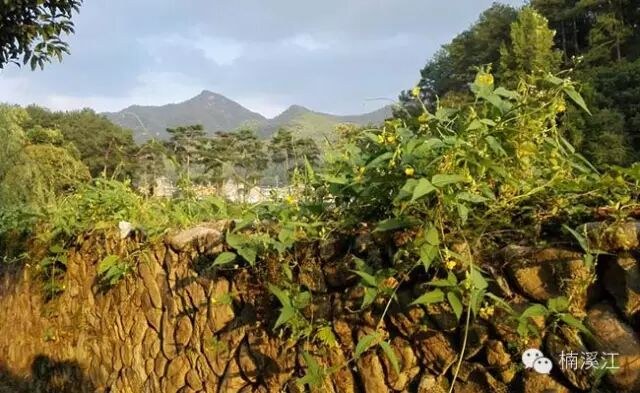
Yubei Ancient Village, located in Yantan Town in the mountainous northern area of Yongjia County, is a characteristic ancient village scenic spot within the nationally renowned Yantan溪 Scenic Area, over 60 kilometers from Yongjia county seat.
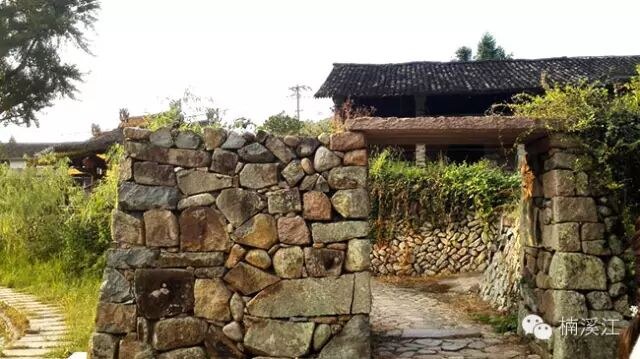
When was this ancient village built? According to historical records, it was first constructed in the Tang Dynasty, over 1,000 years ago. Yubei was originally called Gutian. The ancestors, Xu Lei and his brother Xu Ze, moved from Changxi (now Xiapu, Fujian) on Gehong Mountain to Jilong Mountain in Jinhua, Zhejiang, to avoid turmoil. In the sixth year of Tianfu in the Tang Dynasty (941), they relocated again to Yubei, settled down, started their enterprise, and multiplied, with the Xu family growing increasingly prosperous. During the Northern Song Dynasty, a plague broke out in Yubei, killing many people. The Xu family migrated to places like Li River Yekeng, Huangnan Shanzao, and Fenglin, causing the Xu family to decline in Yubei. According to the genealogy of the Wang family in Yubei, during the Southern Song Dynasty, when the Jin army invaded and the treacherous minister Qin Hui advocated for peace and surrender, the Fengyi Grand Master Wang Yinglong submitted a memorial exposing Qin Hui’s treachery and advising against the peace agreement, but the emperor refused to listen. So Wang Yinglong claimed illness, resigned from his post, and retired, later living in seclusion as a commoner in Yongjia’s Gutian (near present-day Yubei Village). The following year, Wang Yinglong persuaded his brother Wang Yingchen, who was serving in the court, to retire to Yongjia. Wang Yingchen, his nephew Wang Kui, along with their descendants and attendants, moved together to Yubei on the Nanxi River. This is the origin of the Wang family ancestors in Yubei today.
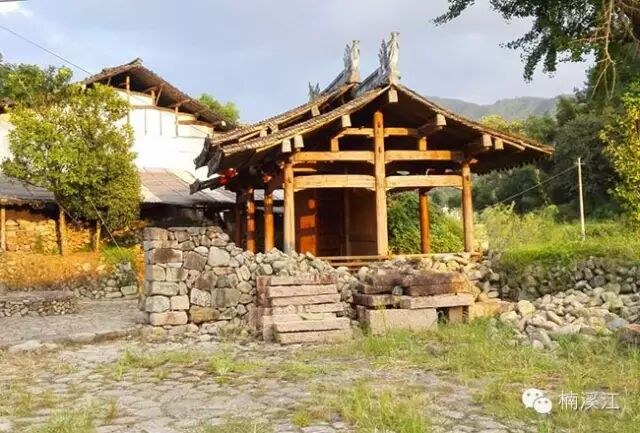
Yubei Village is a historic and cultural village with ancient urban planning. The village houses seven ancestral halls of considerable scale and eight ancient wells with clear spring water, known as “Seven Stars and Eight Dippers,” symbolizing the village’s continuous production of scholars and literati as brilliant as the constellations. The village also features a cobblestone wall stretching over 4,000 meters, 2 meters high, and 0.5 meters wide, with lookout holes—also called arrow slits or gun ports—built every few meters. A moat, over 2,000 meters long, 1.2 meters deep, and 3 meters wide, lined with cobblestone banks, surrounds the village. Among the mountain villages of Yongjia, this is the only one with a moat. The village still preserves over 20 well-maintained ancient buildings, including 18 courtyard-style old houses known as “tangwu,” enclosed by walls, which locals call the “18 Halls.” Their names include “Jishan Hall,” “Maoxiu Hall,” “Xianza Hall,” “Lude Hall,” “Zhongshou Hall,” “Sanzhu Hall,” “Gengxin Hall,” and others.
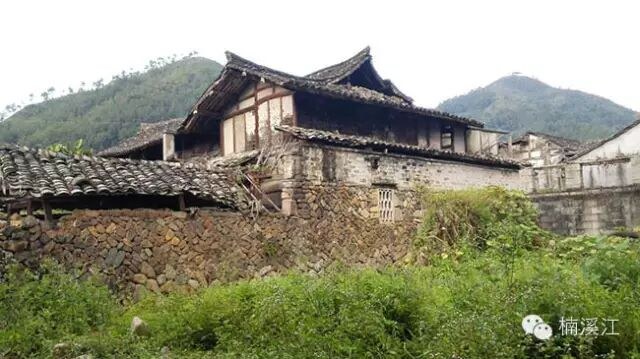
North of the millennium-old Yubei, there are many historical sites. The “Shangshu Pavilion” in the village was built to commemorate the Ministry of Personnel officials Wang Yingchen and Wang Kui. First constructed during the Southern Song Dynasty and restored in both the Ming and Qing Dynasties, it is a courtyard-style “日”-shaped ancient building made of wood and stone, covering an area of 3,199.5 square meters with an impressive scale. Other ancient structures in the village include the Shangshu Tomb, a stone arch bridge from the Ming Dynasty, and the Zhaofu Temple, first built during the Tang Dynasty. The village also features four ancient wells, the secluded residence of a top scholar, the top scholar’s tomb, the Imperial Gate, the Moon Pavilion, the Sworn Brotherhood Pavilion, and other historic sites.
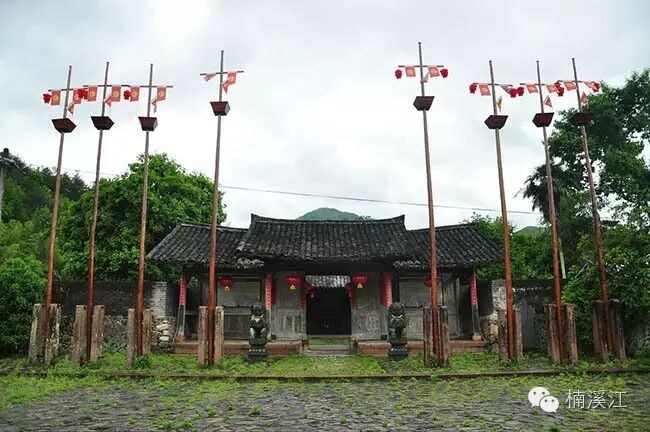
Yubei Village is a place blessed with natural beauty and outstanding people, boasting a thriving literary culture and a long legacy of imperial examination success. According to the History of Song and the Wang Family Genealogy, a large number of scholars and intellectuals have emerged here since the Southern Song Dynasty. They include one top scholar (zhuangyuan), eight jinshi (metropolitan graduates), and thirty贡生 (tribute students) and 庠生 (county school students). Notably, during the Southern Song Dynasty, there was the rare phenomenon of “three jinshi from one family, and two ministers, father and son,” which is truly exceptional in history and stands as a glorious moment for Yubei.
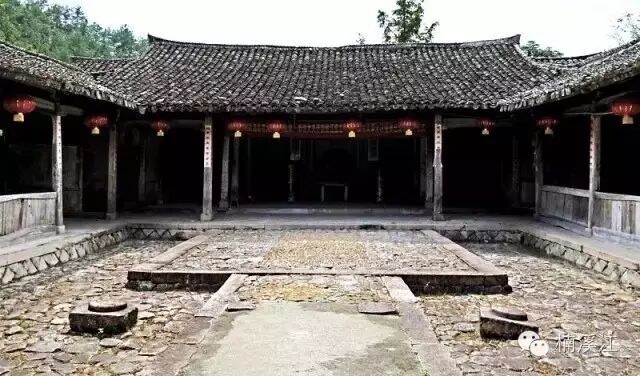
Yubei Ancient Village is not only rich in cultural landmarks but also boasts stunning natural scenery. In spring, the surrounding hillsides burst into a riot of colorful flowers; in autumn and winter, yellow chrysanthemums and red maple leaves dot the fields and mountains, creating a picturesque landscape. By the village lies a scenic spot called Jiaokengdi, where peculiar rocks and strange boulders stack upon each other like lotus petals. At the summit, a uniquely shaped rock stands remarkably like a statue of Guanyin, vivid and lifelike. At the foot of the mountain, a waterfall over 30 meters high cascades like a white silk ribbon into a dragon pool, flanked by rugged rocks in myriad forms. Amid the drifting clouds atop the ridge sits a Niangniang Temple, where incense smoke curls upward and ancient cypresses tower into the sky.
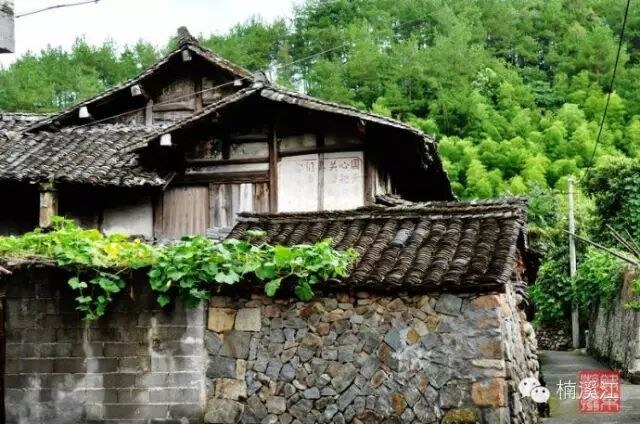
Yubei Village is also a red tourism site: In 1923, early revolutionary activist of the Chinese Communist Party, Xie Wenjin, came to Yubei to spread revolutionary ideas and plant the seeds of revolution. In August 1942, Yubei became the seat of the CPC Oubei County Committee, serving as the command center for revolutionary activities. In March 1945, the Yongjia County Committee organized the Yubei area militia into the 9th and 13th squadrons, launching an armed uprising and engaging in anti-Japanese armed struggle. Today, Yubei features the “Yubei Armed Uprising Monument and Memorial Pavilion,” standing tall and majestic, as well as the former site of the CPC Oubei County Committee (rebuilt in 1975).
Tag navigation
Explore articles that share the same tag and jump to tag pages.

Leipziger Kunstsaison in Shanghai: Wöchentliche Highlights
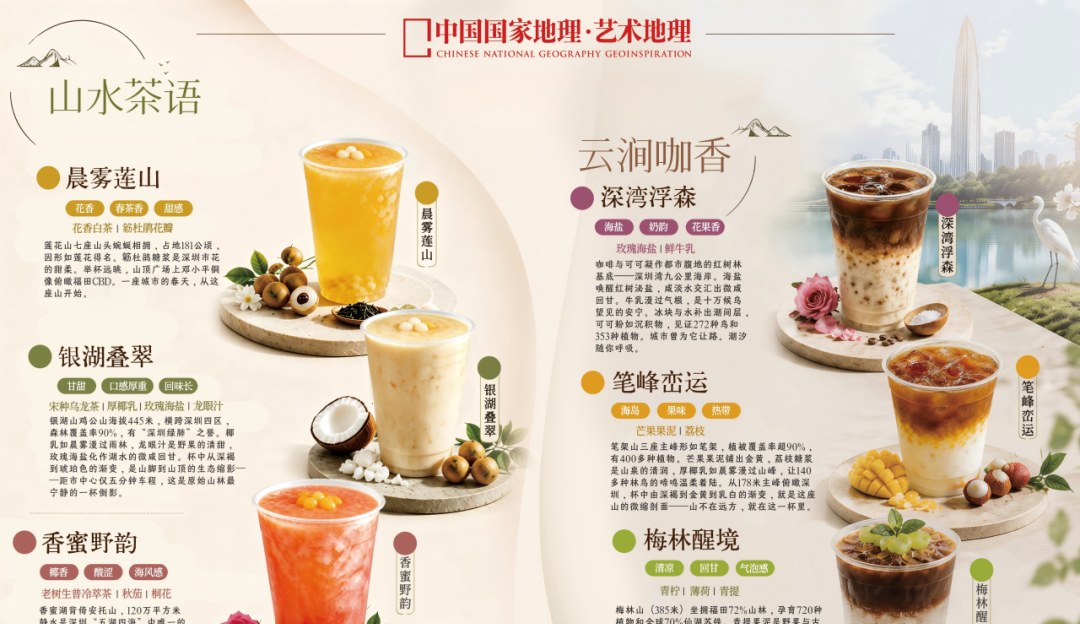
Geographieunterricht für die Geschmacksknospen | Wie lässt der „Berg-und-Fluss-Genuss-Mikroraum“ Berge und Flüsse schmecken?
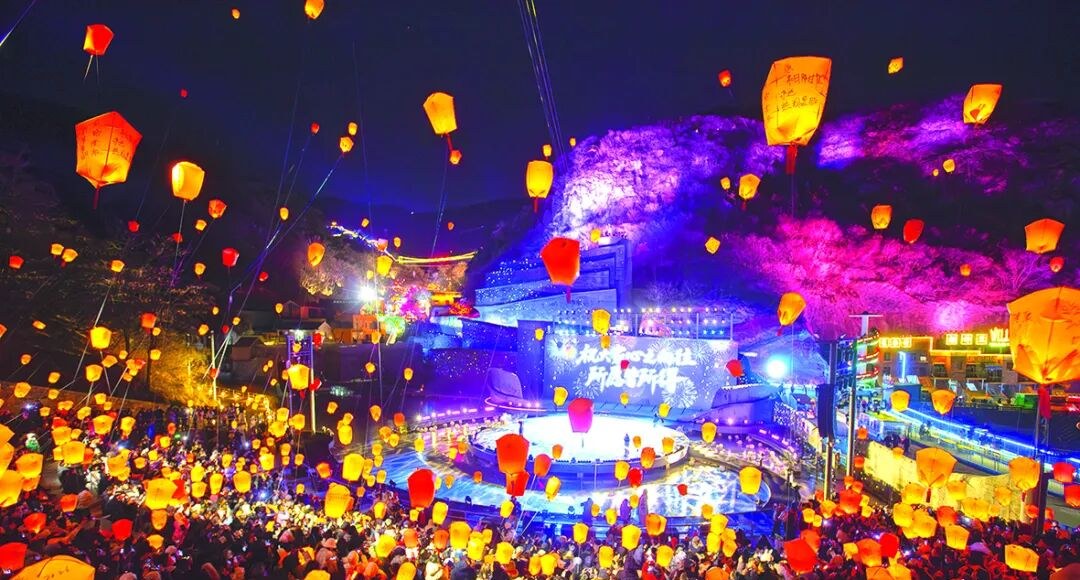
Achtseitige Sonderbeilage der China Tourism News! Wenn die Schätze Shandongs zu einer langen Rolle der Qi- und Lu-Kultur werden
Category navigation
Jump to the article’s category or explore nearby topics.
Tournee des Lotuspreises endet in Xi'an! Top-Aufführungen nicht verpassen!
Jump to the more recent article in this topic series.
Wenn man jemanden zum Essen einlädt und die andere Person sagt „Ich kann nicht, es ist etwas dazwischengekommen“, sagen Sie nicht „Okay, dann ein anderes Mal“. Hier kommt die Antwort mit hoher emotionaler Intelligenz.
Continue to the previous article in this series.
Related stories
More articles from the same category and nearby topics.