China Tourism News' Eight-Page Long Scroll Report! When Shandong's Treasure Towns Unfold into a Long Scroll of Qi and Lu Charm
Read, share, and explore related stories through curated categories and tags.
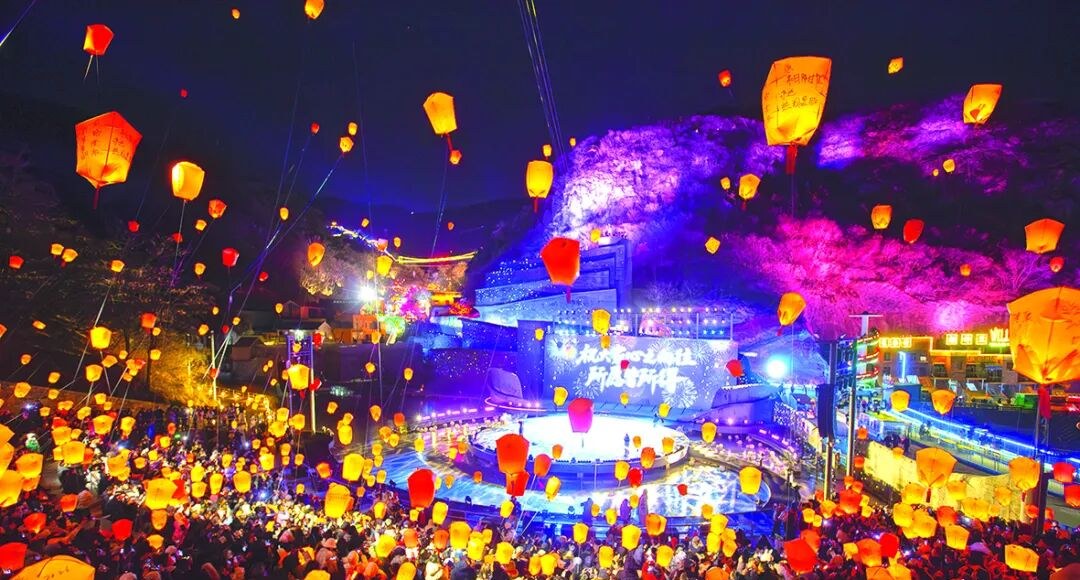
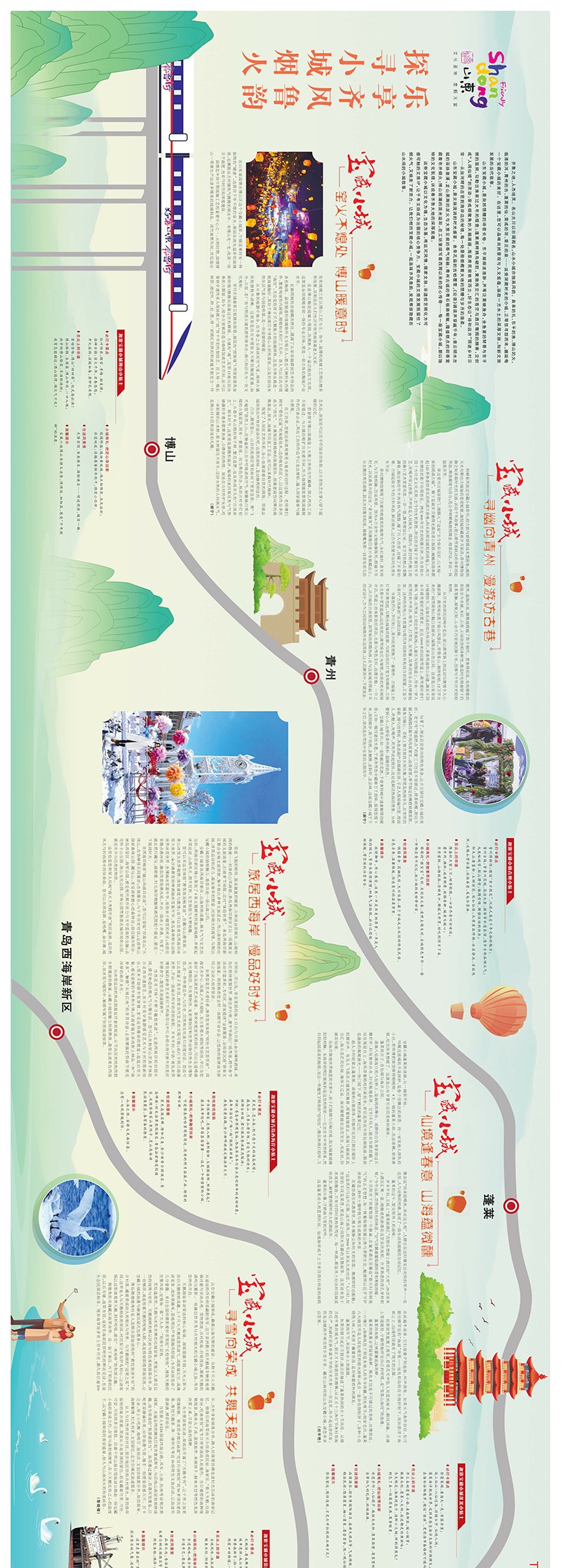
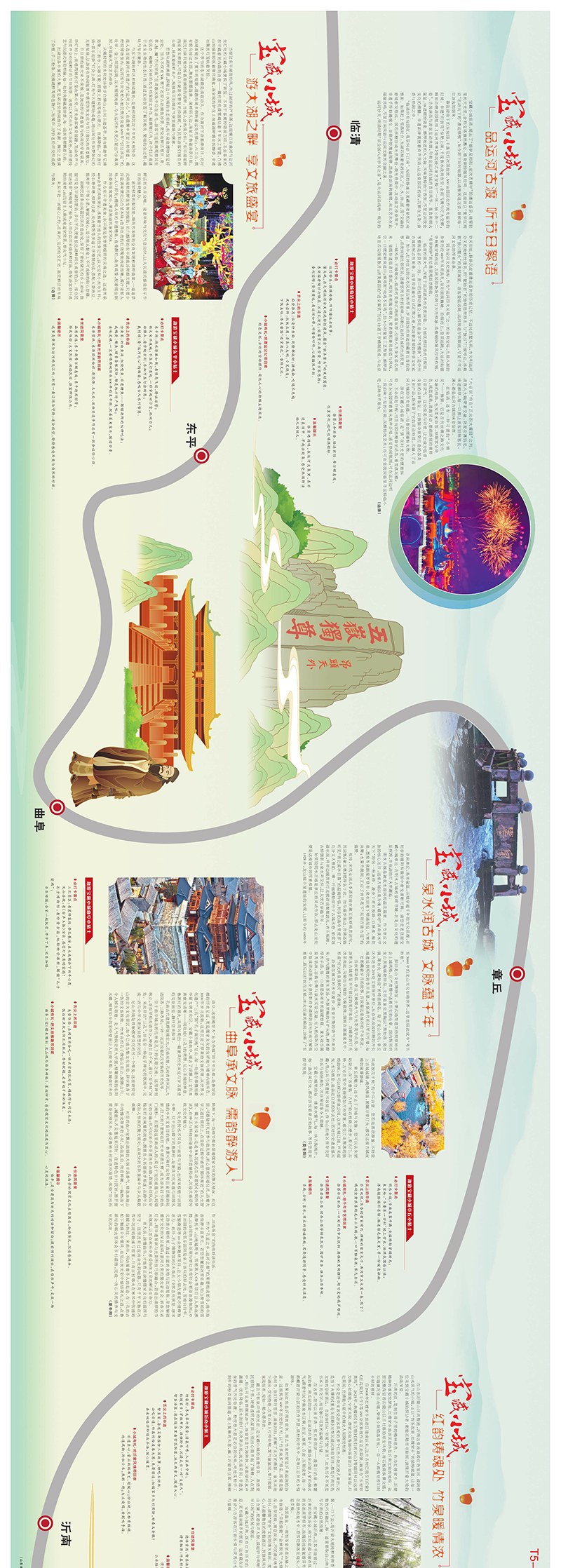
The land of Qilu is blessed with outstanding people and beautiful scenery. Its grand mountains and rivers are known for their magnificence, while its small waterside towns possess a unique charm. The rites of Qufu, the fishing of Dongping, the fires of Boshan, the rivers of Linqing, the antiquity of Qingzhou, the immortality of Penglai, the feathers of Rongcheng, the springs of Zhangqiu… These towns, steeped in time, await your discovery, inviting you to encounter the beauty of every hidden treasure. Here, you can savor the blend of natural landscapes and cultural heritage, revisit the profound cultural roots of this land, and learn the contemporary stories of cultural and tourism development.
Shandong’s hidden treasure towns are poetic scrolls gifted by nature. Dongping Lake stretches vast with misty waves, where yellowed reeds reflect fishing boats, and the freshness of the whole-fish feast mingles with the warmth of Dongping porridge, painting a cozy picture of fishermen celebrating the New Year; by Penglai Pavilion, gulls dance gracefully, while the vast convergence of the Yellow and Bohai Seas intertwines with the mellow aroma of winery vineyards, creating the liveliness of a “fairyland on earth”; at Rongcheng’s Yandun Cape, swans spread their wings, cottages with thatched roofs stand against the snow, and excellent ecology brings “poetry and远方” into rural daily life… From ancient towns along the Grand Canal to hidden corners by the coast, every scene holds nature’s bounty and the tenderness of time.
Shandong’s hidden treasure towns are a grand feast where culture flows through time. Ancient cypresses in Qufu’s Confucius Temple are dusted with snow, and the sound of reciting The Analects echoes through millennia; the Hundred Pulse Springs in Zhangqiu’s Mingshui Ancient Town bubble forth, where Longshan black pottery’s clay and fire blend with the aroma of green onions and tofu; the cobbled streets of Qingzhou Ancient Town wind gently, with the sweet fragrance of Longsheng pastries hiding the warmth of local life; Boshan’s colored glaze shimmers with brilliance, continuing in workshops the legacy of craftsmanship that began in the Western Zhou dynasty… Each hidden treasure town, with its unique cultural fabric, tells the profound heritage of the Qilu land.
These treasure towns, with culture as their soul and ecology as their foundation, transform canal charm, Confucian heritage, and intangible cultural heritage crafts into tangible tourism IP, making millennia-old culture a core competitive advantage that breaks through boundaries. Their cultural tourism development not only preserves the warmth of everyday life but also radiates new vitality. Let us meet in these treasure towns, savor the Qilu essence, and discover the stories hidden among the mountains and waters.

Landscape Roaming
↓↓↓****
Where Kiln Fires Never Die, Boshan Warms the Heart
In Boshan District, Zibo City, Shandong Province—a hidden gem of a town—there’s a unique warmth when winter barely gives way to spring. It comes from kiln fires that have burned for a thousand years, frozen in dazzling colored glaze, and drifting through the steaming hearths of ancient villages. Take a stroll through Boshan and embark on a deep journey through warmth, color, and time.
Zibo was an early hub for Chinese glass craftsmanship. As early as the Yuan and Ming dynasties, the Boshan area produced exquisite glassware. During the Kangxi reign of the Qing Dynasty, the imperial workshop’s glass artisans were mostly from Boshan. Today, this craft lives on and thrives, with Boshan’s glass products still shining brightly in everyday life.
Step into the Boshan Ceramic and Glass Grand View Garden, and you’ll feel like you’ve fallen into a fairy-tale kaleidoscope. It’s not just one of the largest specialty markets in the country—it’s a living history book of ceramics and glass.
Shops line the long corridors, packed with everything from everyday bowls and plates to artistic treasures. The crystal-clear glass pieces are especially captivating: chubby zodiac figurines, intricate inside-painted bottles, lifelike lamp-worked flowers. Visitors can hunt for keepsakes here—a vintage glass marble for the kids, a glass brooch for a dear friend. The joy of finding that perfect treasure amid so many choices, along with the vibrant energy of daily life and creativity, is a warmth that touches you directly.
Leave the market’s bustle behind, and on a crisp late-winter or early-spring day, the outline of Yanshen Ancient Town stands clear. Once a major ceramics and glass hub whose kilns never went cold since the Northern Song Dynasty, it now harmoniously blends ancient kilns, old factories, and Ming-Qing architecture, wisely revived as a cultural landmark.
Wander the cobblestone alleys, where weathered “saggar walls” (built from kiln tools) quietly tell stories of past glory. The town’s soul lies in its 13 ancient round kilns, weathered by time. Some have been turned into cozy cafés or art spaces, where you can watch intangible cultural heritage inheritors demonstrate the millennia-old art of glass blowing. With a long iron pipe, they twist, pull, cut, and blow—turning a glowing ball of molten material into a work of art. Visitors can also try their hand in workshops, leaving with warm memories of this ancient craft.
To see how Boshan’s glass has reached modern heights of elegance, don’t miss Xiye Glass Workshop. Unlike the town’s raw, historic feel, this leading maker of architectural landscape glass has stepped beyond display cases into national events and cityscapes.
Inside the workshop, you can observe the complex creative process up close. Master artisans have the skill to “read color and set temperature,” a meticulous craftsmanship that has earned their works the honor of being national gifts. From a glass camel caravan embodying the Silk Road spirit to elegant vessels symbolizing harmony between sea and mountains, glass becomes more than just art—it carries the spirit of the times.
After feasting your eyes on human artistry, your body and soul may yearn for nature’s embrace. Head to the Red Leaf Persimmon Rock tourist area on the outskirts. Its charm balances stillness and motion.
By day, hike through snow. The mountain’s rugged texture stands out against the white. Glide up on the “flying magic carpet,” breathe the crisp air in the silent valley, and gaze at the snow-dusted rooftops of the ancient town—a scene full of poetry. As dusk falls, the ancient Persimmon Village lights up. Lanterns glow in old alleys, adorned with persimmon trees and artificial flowers, while lively street performances fill the air. During the New Year, it’s a sea of excitement: dazzling fireworks light up the night sky, and the powerful “Yingge” dance, an intangible cultural heritage act, ignites the evening. Gather around the village fireplace, munch on soft glutinous rice cakes, and watch the sparks fly. This blazing earthly warmth is Boshan’s gift to locals and visitors alike.
Tips for Exploring the Hidden Gem of Boshan
-
Must-Visit Spots:
- Red Leaf Persimmon Rock: Hike in the snow, look for plum blossoms, snap great photos.
- Yanshen Ancient Town: A thousand years of kiln fires, winding old alleys.
- Kaiyuan Cave: Warm all year, marvel at stunning stalactites.
-
Taste the Intangible Heritage:
- The star of the show: Boshan’s “Four-Four Feast,” served with full ceremony!
- Boshan crisp pot, tofu boxes, fried meat—each bite is unforgettable.
- Hearty Boshan stew, lamb soup with flatbread.
- Don’t miss late-night Boshan barbecue—full of smoky warmth!
-
Bring the Craft Home:
- Glass treasures: Chicken-fat yellow glass, raindrop-spot pottery—shimmering beauty.
- Heritage flavors: Qingmeiju crispy beef jerky, sure to make your friends jealous.
-
Stay in the Scenery:
- Tianlong Hotel, Atour Hotel, Lanfang Hotel—comfortable and convenient, keeping you warm all the way.
-
A Friendly Reminder:
- Boshan is a quiet, healing little town. Take your time, savor every bit, and feel the warmth of a “thousand-year-old glazed city.”

Exploring the Secluded Charm of Qingzhou: A Leisurely Stroll Through Ancient Alleys
The chilly spring breeze sweeps across the treasure town of Qingzhou, blending ancient charm with modern scenery into an ink-wash painting: the clear sky outlines the rugged轮廓 of the ancient city walls, where mottled bricks hold whispers of time; the Qingzhou Museum stands quietly like a jade box carrying time, telling stories of a thousand years; on Tuoshan Ski Resort, figures glide, raising snow waves, bursting with vitality and passion; beside the Fanggong Pavilion, wintersweet branches adorned with golden blossoms release a subtle fragrance, adding a touch of gentle sweetness.
Passing through the Fucai Gate of the ancient Qingzhou city, you step into this “well-preserved Ming and Qing ancient city where mountains, water, and city are integrated.” Beneath your feet are smooth bluestone slabs worn by time, winding forward to connect over 120 ancient streets and alleys lined with blue bricks and tiles from the Ming and Qing dynasties. The sunlight slants against the mottled brick walls, casting long shadows of the ancient archways. With an 800-year history, Zhaode Ancient Street, one of China’s first Top Ten Historical and Cultural Streets, still bustles with life. Old shops along the street keep century-old crafts alive, and their calls echo through the lanes, full of the flavor of everyday life. In Ouyuan Garden, the rockery art from the Ming Dynasty Heng Prince’s Mansion exudes elegance; every step reveals a new view, and a quiet appreciation brings peace. The aroma of time-honored pastries fills the lanes, and freshly cooked beef and mutton soup steams warmly, comforting travelers’ stomachs and warming the early spring chill. The ancient city’s enduring simplicity and vibrant daily life keep history’s prosperity alive through time.
The Qingzhou Museum showcases the grandeur of Han and Tang-style architecture with its vermilion columns and gray bricks and tiles, harmonizing with nature to form its own landscape. Inside, over 60,000 artifacts are quietly displayed, spanning millennia and telling the story of Qingzhou. The “Qingzhou Smile” series of Buddhist statues, excavated from the Longxing Temple cellar, range from the slender, elegant figures of the Northern Wei Dynasty to the thin, clinging robes of the Northern Qi Dynasty. The faint, gentle smile on their lips is serene and composed, silently crossing several dynasties. Notably, the colors on some statues remain unfaded—vermilion, azurite, and malachite green are still bright and fresh, as if time left a tender brushstroke. Gazing at them, your heart unconsciously settles, as if softly embracing a thousand years of history.
Stepping out of the deep echoes of history, the sports and excitement on Tuoshan Ski Resort stir your emotions. Located in the Tuoshan Scenic Area, backed by green hills and flanked by pines and cypresses, the 120,000-square-meter ski resort spreads like a vast white canvas amidst the mountains. It is a comprehensive project with a large design scale and advanced facilities in Shandong Province. Multiple ski runs built along the mountain cater to skiers of all levels. On the 1,800-meter winding slope, enthusiasts glide with the wind, carving elegant arcs on the snow; in the children’s area and beginner slopes, laughter from families playing in the snow fills the air—building snowmen, having snowball fights, and riding snow tubes bring simple joys that bloom freely. This blend of traditional landscapes and modern leisure experiences is a vivid footnote to Qingzhou’s “ancient charm with new vitality.”
As dusk settles and lanterns light up, Qingzhou’s beauty transforms. The lights along the ancient city wall light up one by one, outlining its轮廓 and mingling with the red lanterns along the streets, making the ancient alley more gentle in the interplay of light and shadow. In the distance, Tuoshan Ski Resort is also brightly lit, as the night session begins, with figures still moving agilely on the slopes. Light and snow intertwine, creating a romantic scene. Within a single day, from the ancient city’s timeless elegance to the ski resort’s lively bustle, the dialogue with this city spanning a millennium becomes vivid and tangible, leaving you immersed and reluctant to leave.
When you’re tired, taste Qingzhou’s specialty dishes to let your tongue savor the treasure town’s beauty. The honey three-knife pastry from the long-established “Longsheng Pastry” is a must-try—sweet, soft, and not cloying. The steaming spiced beef is firm and richly flavored, while the seasonal sticky cake is soft, sweet, and warming. If you happen to catch a rural fair in the twelfth lunar month, the scene is boisterous: bright red Spring Festival couplets, delicate paper-cuttings, and various agricultural products line the long streets. Artisans weave bamboo baskets, mold dough figurines, and blow sugar figures on the spot, with calls and laughter rising and falling everywhere, creating a lively and vibrant atmosphere. From the palate to the heart, this is Qingzhou’s simple and warm essence.
The treasure town of Qingzhou is like a jar of aged wine, emitting a mellow warmth amid the spring chill, or an ink-wash painting, hiding countless charms in the pure snow. It’s worth slowing down, lightening your steps, letting go of distractions, and touching, listening, and savoring—a town that, after a millennium, still radiates infinite elegance in the snow. (Hao Ning)
Tips for a Fun Tour of the Treasure Town Qingzhou
- Must-Visit Attractions:
Qingzhou Museum: Encounter the “Oriental Smile” and immerse yourself in the charm of thousand-year-old artifacts.
Qingzhou Ancient City: Watch intangible cultural heritage performances like Qingzhou shuttlecock kicking, lacework, and string pressing; stroll through ancient alleys and soak in the lively atmosphere.
Jiulong Valley Snow Play & Tuoshan Skiing: Speed across the slopes and unlock the joy of sports.
Yantiangshan Mountain for rime viewing: Jade trees and silver flowers create a fairy-tale scene; Bei Cuoya for wild fun: icy streams flow quietly in serene isolation; Tiancishan Mountain for ice falls: hanging icicles form an ink-wash painting.
- Intangible Cultural Heritage on Your Tongue:
Longsheng Pastry’s honey three-knife pastry: Sweet, soft, and glutinous, tasting Qingzhou’s old flavor in one bite.
Spiced beef and sticky cake: Savory, mellow, soft, sweet, and warming.
Winter snow peaches and hawthorn products: Refreshing, sweet, and tangy, appetizing and addictive.
- Town Gifts: Take Stories Home:
Cute “Nao Baobao” creative products, creative “Zhuangyuan scroll,” Qingzhao-themed items, and ancient city handmade crafts—each piece carries Qingzhou’s memory, bringing the town’s beauty home.
- Stay in the Scenery:
Ouyuan Green House, Huaqi Homestay, and Jiuzhou Jiatai: Unique accommodations hidden in the ancient city or amidst landscapes, antique, warm, and elegant—sleep in Qingzhou’s gentle dreams.
- Friendly Reminders:
Slow down and feel with your heart—half of this place is historical depth, half is everyday life, waiting for you to read slowly. In early spring, temperatures are low; keep warm when out and be safe when skiing.
Spring Awakens in the Fairyland, Mountains and Sea Breathe a Tipsy Charm
In the treasure-like small city of Penglai, morning begins with a bowl of noodles.
It’s not an alarm clock that wakes this city, but the aroma of noodles wafting from the alleyways. Find a small shop where locals queue up, and watch the chef skillfully slap and stretch the dough. For just 4 yuan a bowl, Penglai small noodles come with a thick fish broth and smooth, chewy strands—one bowl warms you from head to toe. This is the hearty, delicious face of a Shandong breakfast.
A day in Penglai unfolds between the immortal pavilions and the sea.
At dawn, the Eight Immortals Bridge at the crossing point to the sea becomes a stage for seagulls. Flocks of white figures dart past the stone-carved railings, swooping down to skim the water or hovering mid-air with fluttering wings. They’re unafraid of people, performing right before your eyes. Standing on the viewing platform, the sea breeze carries their calls to your ears. Behind you rises the legendary silhouette of the pavilions; ahead shimmers the morning light over the Bohai Sea—click the shutter, and capture a vivid memory of Penglai.
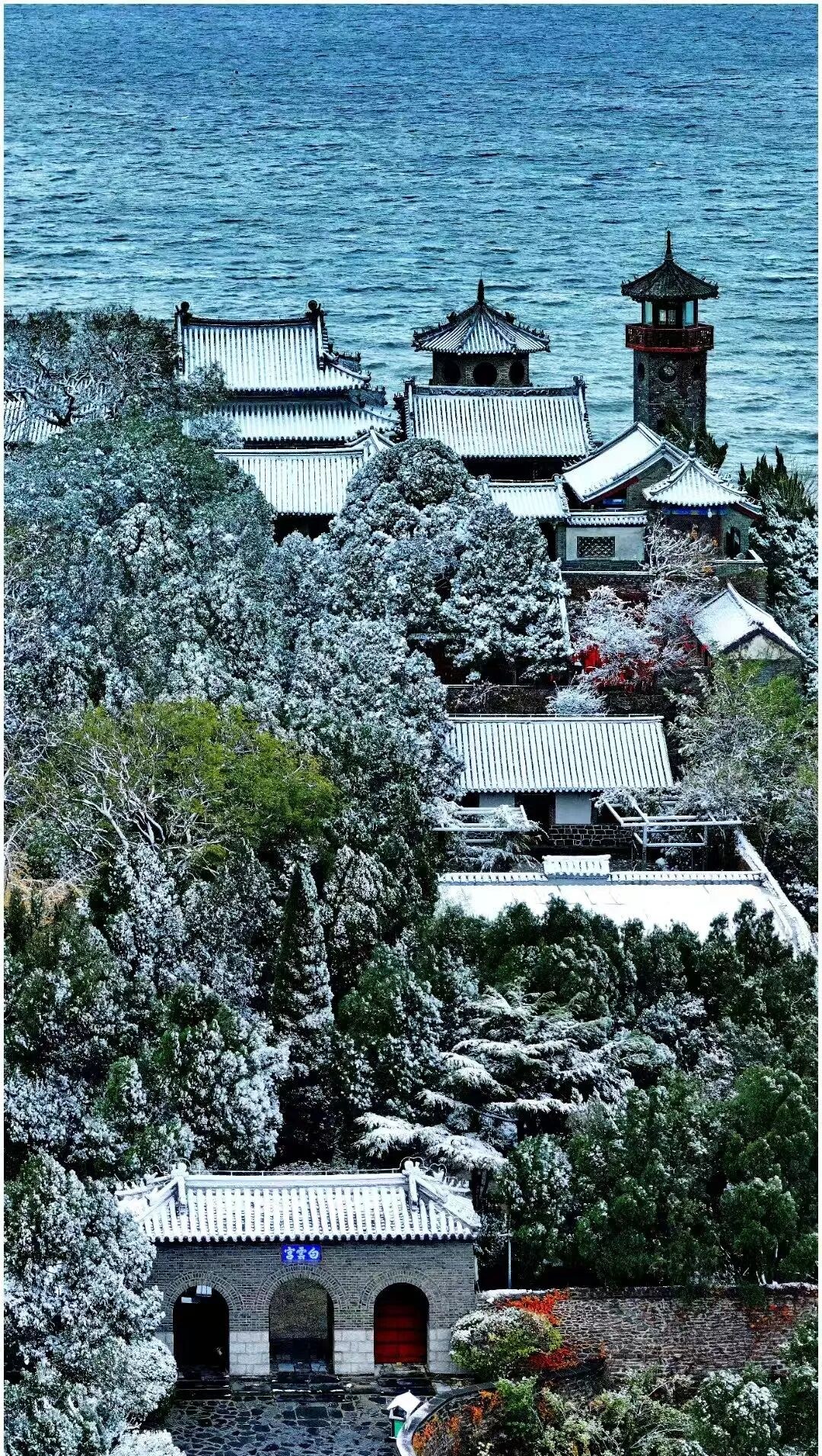
Visit Penglai Pavilion while it’s still quiet. In the early morning, the ancient structure is peaceful, and you can hear your own footsteps on the frost-covered steps. Birds perch on the eaves of the old buildings. Leaning against the city wall, you see the Yellow Sea and Bohai Sea merge here—vast, majestic, and boundless. Mirages happen here, and at this moment, you are standing in a fairyland.
In the dim blue light of the Polar Ocean World, children stand on tiptoes to meet the gaze of beluga whales, their fingertips gently touching the glass. The internet-famous spotted seal of the east coast is the star here—it suddenly turns in the water, lifts its round head, and lets out a series of catchy, loud “wa-wa-wa” sounds, as if greeting you eagerly or shouting, “Come feed me, I’m right here!” The crowd always bursts into cheerful laughter. Here, encounters between humans and animals turn into warm, heartfelt moments.
Afternoon in Penglai belongs to the flavors of the land.
At the turn of the year, it’s the perfect time for the “Penglai New Wine Festival” held at the Eulogia Knight Hotel, where over 20 local wineries gather. The freshly made wines are unveiled for the first time. Many familiar faces raise their glasses and exchange looks: “This year’s wine—you can taste the sunshine in it.” The air is filled with the scent of wine and the warmth of conversation.
Under the afternoon sun, the vineyards lie serene. In Penglai’s wineries, you encounter the ancient wisdom of “respecting the seasons and following the land.” Every grapevine grows according to the hillside and climate, and the winemakers, almost like guardians, listen to the breath of the soil and the voice of ripening fruit.
In the cellar of the Long Dai Winery, oak barrels stand still like vessels of time. The winemaker gently begins the story: “This is our long dialogue with these hills and this sea breeze since 2008.” As you taste, you’re not just savoring fruit—you’re experiencing the complete narrative of sunlight and rain between the mountains and sea. There’s no rush here, only a steady faith in the cycle of seasons. Every glass is the language of the land, crystallized by time, waiting for those who know how to listen, to raise their cups to the wind.
Penglai’s dusk is a time for the sea and snow to sing together.
This is the moving blue hour of Penglai. Thousands of seagulls from Siberia winter here on the fairyland coast, welcoming spring. They circle in the sunset, their calls crisp and clear. If the weather is just right, you might witness the rare “sea mirage” phenomenon—distant islands seem to float above the water under the refraction of light, giving a real touch to the fairy tale.
Even in early spring, you may encounter falling snow. Watch the flakes silently drop into the gray-blue sea, melting instantly. The sandy shore is strewn with patches of snow, so quiet you can hear your own breath—it’s the romance of “snow falling between mountains and sea.”
Penglai’s night is for letting your taste buds meet the sea’s freshness.
Dinner in Penglai must be seafood. The mackerel dumplings are a must-try, with thin skins and generous fillings that burst with juice in every bite. The seaweed buns are a local winter treasure, hard to find elsewhere. Find an old restaurant and order the “Eight Great Bowls of Penglai,” each dish full of worldly flavors in this fairyland. Or get a pot of assorted fish with corn cakes—the small fish are richly seasoned, and dipping the corn cake in the fish broth is a simple, satisfying pleasure for the palate.
Penglai’s festive season is a taste of hometown warmth.
If you visit during the twelfth lunar month or the first month of the lunar year, you’ll stumble into Penglai’s lively local celebrations. From the bustling New Year market in the twelfth month, to the joyful yangko dance in the first month; from the solemn fishing village ceremony on the 13th day of the first month, to the historical charm of the Spring Festival carnival at the Qi Mansion Heritage Site… Here, you’re not a traveler passing through, but a neighbor sharing the warmth of the season. This treasure city of Shandong, hidden between mountains and sea, invites you to come and discover its secrets. (Liu Yuyan)
Tips for Exploring the Treasure Town of Penglai
-
Must-Visit Attractions:
Climb Penglai Pavilion to see the sea and sky merge as one, with snow falling on the red cliffs;
Stroll through the Three Immortal Mountains and Eight Immortals Crossing the Sea, with jade towers and fairy-tale landscapes;
Visit Penglai Polar Ocean World for up-close encounters with fascinating marine life;
Take a walk on the beach to witness the “sea mirage,” and maybe even catch the elusive mirage itself! -
Intangible Heritage on the Tip of Your Tongue:
Start your morning with a bowl of Penglai small noodles, with savory fish broth that warms your heart and stomach;
Mackerel dumplings and the Eight Great Bowls of Penglai are classic flavors you can’t miss;
Winter exclusives: seaweed buns and seafood hotpot—so fresh it’ll make your taste buds tingle!
Don’t forget a glass of local wine, fruity and warming. -
Souvenirs from the Fairyland:
Handcrafted intangible heritage items: Eight Immortals gourds, Qi Jiguang’s light cakes, Penglai dough figurines, Penglai paper-cuts… Gifts imbued with a touch of magic, full of blessings. -
Stay Amidst the Scenery:
Quality hotels: Eulogia International Hotel, Shengda Hotel, etc., each with its own style and elegance;
Boutique guesthouses: Hidden in Penglai, Rest Your Heart in Penglai, Penglai Teahouse—spend a night as a carefree traveler in the fairyland. -
Friendly Reminder:
Climb high and gaze far, wander at will—that’s the right way to unlock the fairyland!

Seeking Snow in Rongcheng, Dancing with Swans in Swan Village
Nestled in Shandong, the hidden gem of Rongcheng boasts stunning landscapes where mountains meet the sea. As thousands of whooper swans gracefully arrive from distant Siberia, this largest winter habitat for swans in Asia comes alive with poetry and vitality. Snow kisses the turquoise waves, ancient villages rest by the sea, and massive ships float on the tides. Following the clear calls and wingbeats of the swans, a journey awaits you to explore this treasure city, blending nature’s beauty with the rustic charm of ancient villages.
Swan Lake is the core secret spot for a spring trip to Rongcheng. The lake is clear and vast, with sunlight, clouds, and the pure white swans creating a picturesque scene. Thousands of swans either swim leisurely, take off into the sky, forage on the shores, or nestle and play. The reeds around the wetland sway gently in the breeze, adding a touch of interest to this animated picture. Photography enthusiasts from all over the country set up their gear to capture the elegant postures of the swans, freezing every moment of this “unity of nature and humanity” scene.
If it happens to snow, the magnificent spectacle of swans dancing in the snow brings a sense of pure nature and tranquility. Scattered around Swan Lake are boutique B&Bs and unique inns. Choose one to stay in, either falling asleep to the gentle murmurs of swans or opening a window to embrace the snowy bay, letting the romance and serenity of this treasure city envelop you fully.
Yandun Jiao Village in Lidao Town is an ancient village listed as a “Best Tourism Village” by the UNWTO, preserving the touching human touch and heritage of Rongcheng. Unlike the “distant beauty” of Swan Lake, this is a home where humans and swans coexist. The villagers have always held onto the principle of loving and protecting birds, allowing visitors to observe swans up close, listen to their songs, and experience the harmony of being “one meter apart.”
The soul of Yandun Jiao lies in its seaweed-thatched houses. Originating from the Qin and Han dynasties and flourishing in the Ming and Qing, these houses, with stone walls and seaweed roofs, are vivid testimony to the coastal folk architecture of eastern Shandong and living specimens of ecological housing. Many of these houses are over a hundred years old, with the oldest exceeding 200 years. Their rustic forms are scattered throughout the village, stepping into which feels like walking into a fisherman’s memory etched by time. Many renovated seaweed houses have been turned into B&Bs and local eateries. “Watch the swans, stay in a seaweed house, eat fisherman’s meals” is the heartwarming invitation of Rongcheng during the holidays. Freshly caught seafood is prepared and served on the spot, with specialties like Spanish mackerel meatball soup, braised sea cucumber with scallion, fish pot with cornbread, and mackerel dumplings showcasing the bounty of the sea.
To make travel easier for visitors, Rongcheng has introduced “Swan Special Trains,” making the journey from afar smoother. At the same time, Rongcheng offers over 50 preferential policies covering “food, accommodation, transportation, sightseeing, shopping, and entertainment,” and plans nearly 30 special cultural tourism activities like the Swan Season and the First Ray of Sunlight, ensuring that the trip is both affordable and exciting.
As you drive along the coastal road of National Highway G228, wind turbines, the sea, and pine forests unfold one after another. The viral Bruges ship, stranded and majestic, complements the surrounding mountain and sea scenery, becoming the “mood setter” of Rongcheng. Waves wash over the tidal flats; if snow and wind rage, the ship appears even more serene and magnificent, exuding a romantic aura that turns any snap into a high-quality photo. After snapping pictures, stalls, coffee shops, portrait studios, and souvenir shops are scattered along the shore, offering hot drinks to warm you, seafood to satisfy your cravings, memories to capture, and keepsakes to take home, fully catering to your travel needs.
From the lively dialogue between humans and nature to the rustic charm of ancient villages and the vintage feel of coastal photoshoots, Rongcheng is not just a blank canvas but a destination offering diverse experiences to see, stay, taste, and play. Take the self-driving road along the thousand-mile coast for a date with this treasure city of Rongcheng. Amidst the embrace of snow and sea, under the warmth of the swans’ passionate hearts, savor the feast of beauty in Rongcheng, and paint a harmonious picture of humans, mountains, and seas coexisting. (Li Xiaoqian)
Tips for Exploring the Treasure City of Rongcheng
- Must-visit attractions:
Swan Lake: Watch flocks of swans dance gracefully—so healing!
Urban stroll: Catch the sunrise at Chengshantou, soak in the forest hot springs at Naxianghai;
Bruges Ship: Snap a set of romantic and atmospheric photos;
Xixiakou Zoo: Explore a world of free-range coastal wildlife in one park.
- Intangible cultural heritage on the tongue:
Local flavors: Sweet potato noodles and Rongcheng wedding cake, authentic farmhouse taste;
Mackerel dumplings, braised fish pot, steamed egg with sea urchin… All the freshness of the sea is here.
- Small city gifts: Bring the taste of the sea home:
Intangible cultural heritage flavors: Midge shrimp paste, Shidao crab paste, Jiaodong colorful steamed buns;
Intangible cultural heritage crafts: Rongcheng folk paper-cutting, Rongcheng dough figurines, delicate and lovely.
- Stay in the scenery:
Quality choices: Howard Johnson Resort Naxianghai, Wyndham Garden Naxianghai, Hampton by Hilton Rongcheng, etc.;
Unique experiences: Ruize·Hai B&B, Jinling·Swan Lake B&B, Haicaojia Yulian, etc.
- Warm reminder:
This is a famous “snow pocket” with frequent cold-air snowfalls and strong coastal winds. Check local weather and road icing warnings before traveling.
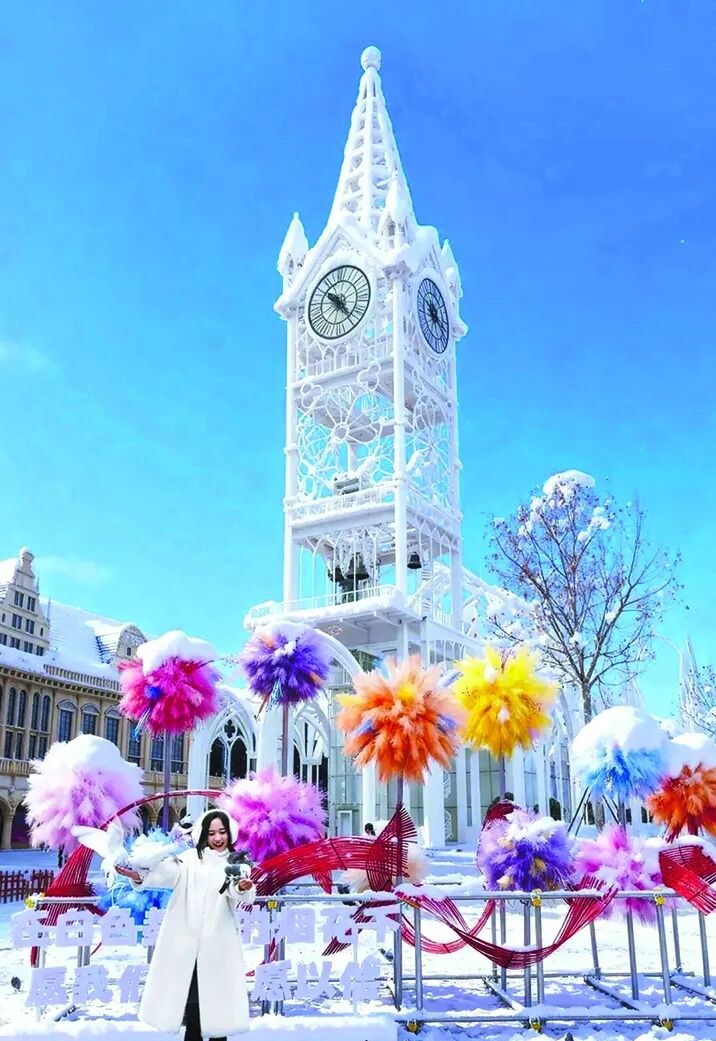
Living on the West Coast, Savoring the Good Times
The thrill of speeding down snowy slopes, the warmth of hot springs, the lively烟火 of ancient street fairs, and the serene embrace of mountains and sea… With the early spring breeze and ocean charm, Qingdao West Coast New District is breaking seasonal limits with a comprehensive cultural and tourism feast, moving toward an “experience season.” By integrating all local cultural and tourism resources, the district is launching a variety of activities, showcasing the grandeur of mountains meeting the sea, the energy of winter sports, the comfort of hot spring wellness, and the warmth of folk烟火, highlighting the unique charm of this hidden gem town, inviting you to a mountain-and-sea rendezvous.
This treasure town, Qingdao West Coast New District, blends mountains and sea harmoniously, where daily life and artistic flair intertwine. The district has carefully designed 5 themed travel routes, linking winter sports, mountain and sea scenery, New Year celebrations, artistic experiences, and rural leisure.
You can come here for a “ski and soak” trip—race down the slopes at Cangma Mountain Ski Resort or Yueji Mountain Ice and Snow World for speed and excitement; enjoy family snow fun at Qingdao West Coast Ice and Snow World, Golden Beach Ski Resort Beer City Ice Carnival, Qingdao Forest Wildlife World Ice World, or World Expo City Ice Carnival; or hit the Star Glow Ice Rink or Sunac Mao Joy Ice Rink for an ice-skating adventure. When you’re tired, soak in a hot spring at Junxing Cangma, The Lalu, or Time Coast Craft Beer Garden, and feel the gentle passage of time.
For a “free-spirited mountain-to-sea trip” in the West Coast, climb Dazhu Mountain, the “famous mountain by the sea,” and stroll among its strange peaks and rocks; at Langyatai, converse with a thousand years of history; enter Zhushan National Forest Park or Cangma Mountain for a refreshing forest bath; head to City Balcony, Tangdao Bay Scenic Area, or Naval Park to feel the blend of modern urban energy and endless blue sea; or visit parks scattered across the city like Huakeshan Park, Xushan Cultural Park, or Shuangzhu Park to experience the harmony of everyday life and nature.
This is also a great spot for a “New Year’s Eve sea-and-sky show” with your family—a symphony of natural scenery and stylish city life. Enjoy stunning sea sunrises and sunsets at Huandao Road, Yumingzui, Golden Beach, City Balcony, or Lingshan Island; at places like Golden Beach Beer City, Qingdao Red Tree Resort, Haowa Pedestrian Street, or Carnival Hisense Plaza, there are plenty of New Year and Spring Festival activities for all ages and full-immersion experiences. We especially recommend catching a New Year’s Eve concert, where beautiful melodies become the touching backdrop to the old and new year’s transition.
If you’re an art lover, try a “vibrant arts and culture tour.” Venues like West Coast Art Center, Phoenix Voice Grand Theater, and Oriental Movie Metropolis Grand Theater have prepared high-quality art feasts for you. For deep-dive enthusiasts, visit the Beer Culture Museum, Shell Museum, Film Museum, or World Animal and Natural Ecology Museum to engage in deep conversations with history, nature, and culture through exhibits. You can also explore the Huanghezi Art Museum for endless possibilities in contemporary art, or check out the Bright Moon Seaweed World for a marvelous journey into ocean science. As the year ends, the Spring Festival Art Lantern Festival and West Coast Horse Year Lantern Show at CREC Qingdao World Expo City will light up the night sky with wishes for the new year, inviting you to welcome a warm new year.
Of course, there’s also the “rural fun and leisurely trip”—head into the West Coast’s countryside to experience authentic烟火 and slow living. At Yangjiashan, try ancient intangible cultural heritage techniques with your own hands, and feel the fresh blend of art and village in rural aesthetic clusters; take a weekend drive to Zhangjialou for a relaxing suburban stroll; browse the Poli Market to soak up strong New Year vibes and nostalgia; sip a cup of “Haiqing tea” at the North Tea Merchant Street in Haiqing Town, touching the poetic tea fragrance of the “Northern Jiangnan”; or experience the deep ocean culture at the Sea Worship Festival in Langya Town.
From the adrenaline of winter sports to the comfort of hot spring healing, from the excitement of festive celebrations to the calm of rural wandering, the charm of this hidden gem town keeps shining, inviting you to come to Qingdao West Coast and unlock your own travel surprises amidst ice, snow, and warm sunshine.
Tips for Exploring the Treasure Town of Qingdao West Coast
- Must-Visit Spots:
Starlight Island, Lingshan Island: island vibes with a film-like feel;
Cangma Mountain, Yueji Mountain Ski Resorts: enjoy the thrill of speeding;
Langyatai for blessings, Junxing Cangma Hot Springs for warmth;
CREC Qingdao World Expo City: West Coast Horse Year Lantern Show lights up wishes for the new year;
Carnival Hisense Plaza: join the “Horse Leap into the New Spring”;
Tangdao Bay for seagull watching, Golden Beach Beer City for coastal photo moments.
- Intangible Heritage on Your Tongue:
Zhonghua Langya Feast, Lingba Eight Delicacies, Seafood Stew, Big Pot Seafood—so fresh!
Haowa Night Market for eats, strawberries, blueberries, sweet potatoes… this is a sweet little town.
- Town Souvenirs·Bring Home the Fun:
Adorable Ha Jii merch, quality Bright Moon seaweed products, rich Langyatai liquor.
- Stay in the Scenery:
Starlight Island hotel cluster, Longhe Le Méridien, Golden Beach Hilton, Qingdao Beer·Time Coast Resort Hotel, Qingdao The Lalu Resort, or retreat to Yangjiashan Courtyards, Lingshan Island tourism accommodation clusters—each offers its own comfort.
- Warm Tips:
Between mountains and sea, quiet yet full of surprises, there’s always a view to warm your heart.Where Red Spirit Takes Root and Bamboo Springs Warm the Heart
Deep in the Yimeng Mountains of Shandong, the small city of Yinan—steeped in revolutionary heritage and blessed with natural beauty—welcomes every visitor with its unique charm as “the hometown of Zhuge Liang and the Red嫂 (Red Army sisters).” Here, walking through snow-covered paths, you begin to understand the profound warmth of the Yimeng land.
The red of Yinan runs deep in its bones. As the hometown of the Red嫂 and a key birthplace of the Yimeng spirit, the Red嫂 Hometown Tourist Area remains a landmark of Yinan’s culture and tourism. The area preserves the original look of ancient Yimeng mountain villages, with cobblestone paths crisscrossing, stone walls and black-tiled roofs clinging to the hillsides, and rustic courtyards scattered in perfect harmony. Every blade of grass and every tree carries the memory of old rural life.
Since the Red嫂 Hometown Tourist Area opened in 2008, this ancient village has served as the backdrop for over 450 films and TV shows, including Yimeng, Red Sorghum, and Bullfighting, earning it the nickname “Rural Hollywood.” In 2025, hit dramas like Life Gives Life and Our Rivers and Mountains were also filmed here, with key sets like the Ning Family Courtyard and the Fei Family Courtyard preserved in their original state. Walking through them, you feel as if you could meet the characters from those stories.
From the immersive performances in the small red courtyards that tourists love to the wildly popular Retracing the Support Frontline immersive experience, Yinan offers innovative expressions of its red culture. When visitors move from being spectators to participants, red history transforms from words on a page into a tangible warmth and power.
Here, you can make colorful pancakes by hand—green from spinach juice, purple from mashed purple sweet potatoes, yellow from pumpkin puree—cooking them on a hot griddle just like the locals do. You can also learn to make spring spring tofu with the villagers, soaking beans, grinding them, adding brine, and pressing the curds. Each step holds the wisdom of Yimeng mountain cuisine, and in this simple labor, you taste the unforgettable flavor of home.
If red is Yinan’s foundation, then Bamboo Spring Village is its poetic soul. This 400-year-old village, named for its abundance of bamboo and springs, remains lush and vibrant even in the depths of winter. Bamboo groves stand green, and clear springs gush forth, dispelling the northern chill. Spring water wells up from underground, winding through the village and splashing over the bluestone paths. Amid the mist, bamboo covered in frost and frozen streams create a scene straight out of a watercolor painting.
Tucked away among the bamboo and springs, the village’s guesthouses are a delightful surprise. At the Yanyutang Guesthouse, the glass roof of the courtyard is cleverly turned into a koi pond. Lying in the yard, you can watch fish swim overhead; open the window to hear the rustle of bamboo; close your eyes and listen to the murmur of the spring. When night falls, the lights of Lishui Street come on one by one, casting a glow over the aroma of intangible cultural heritage snacks. Spring rolls with green onions are a must-try—silky and chewy handmade spring rolls made from sweet potato starch, wrapped around crisp green onions and dipped in Yimeng soybean paste or chili sauce. One bite and you taste the pure, fresh flavors of the Yimeng land. The Bamboo Forest Spring Water Feast blends elegance and tradition, with each dish made from mountain and spring ingredients, fresh and delicious—a true taste of nature’s gifts in Yinan.
In the treasure city of Yinan, you absolutely cannot miss a heartwarming hot spring experience. The Zhisheng Hot Spring combines cultural depth with wellness. Over 60 different spring pools are scattered across the area: rose pools fragrant with petals, health pools to nourish body and soul. Soak in the warm water, watch snowflakes fall on your shoulders, and let your fatigue drift away with the spring—pure bliss.
After your soak, the Zhisheng Feast is the perfect finale. Inspired by Zhuge Liang’s wisdom, dishes like “Borrowing Arrows with Straw Boats,” “The Cicada Sloughs Its Shell,” and “Burning Red Cliffs” are recreated in exquisite forms. They are not only beautiful and meaningful but also delight the palate, letting diners appreciate the depth of the “Wise Sage” culture while enjoying their meal. The resort’s accommodation is equally comforting—from cozy and elegant resort hotels to charming forest villas. Open the window to see distant mountains, drift off to sleep with the sound of springs, wake up to birdsong, and immerse yourself in the relaxed feeling of “stealing a moment of leisure from a busy life.”
The treasure city of Yinan has it all: the weight of red history, the poetry of mountain and river landscapes, and the comfort of hot springs. This hidden gem in the Yimeng Mountains sincerely invites visitors from all over to experience the romance and warmth of the Yimeng land, where red culture meets pastoral beauty. (Gao Wenwen)
Fun Travel Tips for Yinan
-
Must-Visit Attractions: Bamboo Spring Village: In winter, bamboo covered in snow, clear springs bubbling—like walking in a painting. Red嫂 Hometown: Wear coarse cloth, push a wheelbarrow, and immerse yourself in the “Support Frontline” experience. Zhisheng Hot Spring: Soak in warm water and watch snowflakes fall—an icy-hot contrast that warms the heart.
-
Intangible Cultural Heritage on Your Plate: Zhisheng Feast: Each dish tells a story from the Three Kingdoms—fun and delicious. Must-try Heritage Snacks: Bamboo Spring Village’s spring rolls with green onions (smooth and chewy) and Red嫂 Hometown’s colorful pancakes (crispy and fragrant!). Don’t forget a bowl of Linyi stir-fried chicken or lamb soup—warm and comforting.
-
Take a Piece of Yimeng Home: Intangible Cultural Crafts: Mengshan Mom’s fabric art (heartwarming) and Xu Gong inkstone (elegant and refined). Local Specialties: Sunzu millet (perfect for porridge) and Dazhuang roast chicken (finger-licking good).
-
Stay Within the Scenery: Best for Hot Springs: Zhisheng Hot Spring Resort Hotel for a one-stop experience. Poetic Stay: Guesthouses in Bamboo Spring Village—open the window to bamboo, sleep to the sound of springs.
-
A Friendly Reminder: Take your time, stroll slowly, and listen closely—the red stories and the mountains and rivers of the old revolutionary base are here to keep you company.
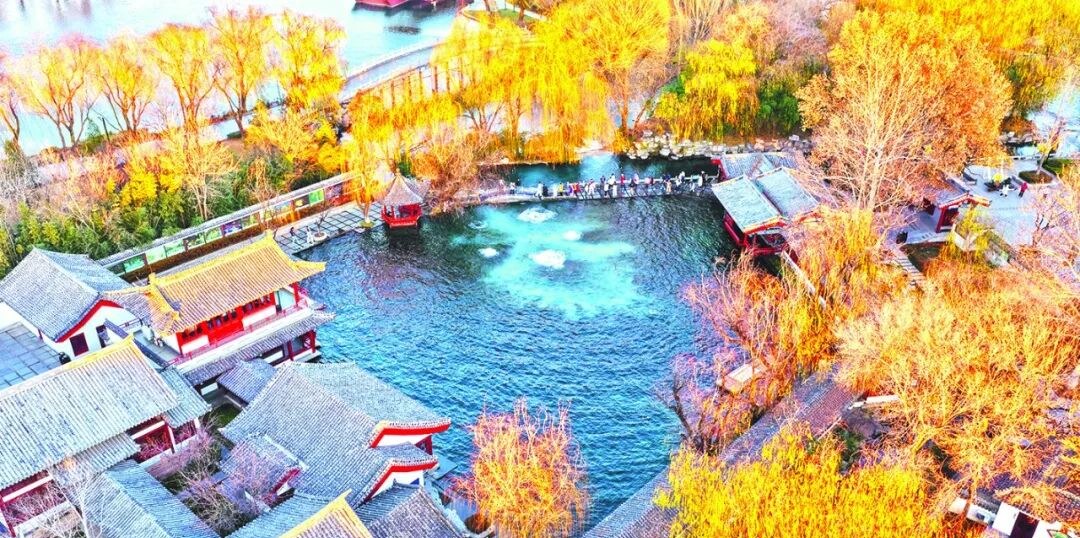
Spring Water Nourishes the Ancient City, a Thousand-Year Cultural Legacy Flows
In Zhangqiu, Jinan, the spring mist rises, and the ancient city’s thousand-year cultural texture becomes increasingly distinct under the warm sun and light snow of early spring. Step into this treasure of a small town, Zhangqiu, where you can seek warmth by the springs of Mingshui Ancient City, trace the origins of the Longshan Culture at the ruins, and encounter wonders among the night tour lights.
Mingshui Ancient City is a gentle chapter steeped in spring waters. As the core cultural tourism gem of Zhangqiu, this ancient city, with springs as its soul, offers another interpretation of “Jinan’s springs reign supreme.” Strolling along the bluestone paths, you’ll find numerous springs like Baimai Spring, Meihua Spring, and Mo Spring dotting the landscape. The water gushes forth from underground, dancing with the cold wind, while the rising mist echoes Zeng Gong’s praise: “To the east, Baimai Spring stands as the crown.”
Legend has it that the Song dynasty poetess Li Qingzhao once composed verses by the Shuyu Spring, and her poetry collection, Shuyu Ji, was named after it. Today, walking by the spring, you can almost hear the gentle chant of “I often recall the dusk at the creek pavilion,” adding a touch of literary elegance to the crisp early spring air. Take a rowing boat through the ancient city’s water alleys; the oars cut through the water, shattering the warm yellow lights along the shore into shimmering ripples. The bluestone paths, reflections of ancient bridges, and the sound of springs intertwine, making you feel as if you’ve traveled back a thousand years.
If Mingshui Ancient City is Zhangqiu’s dynamic cloak, then the Longshan Culture is its solid foundation.
In 1928, the discovery of the Chengziya ruins in Longshan amazed the world, revealing the Longshan Culture dating back 4,400 to 3,800 years, making this place a “holy land of archaeology.”
Visit the Longshan Culture Museum, whose earth-fortress-style architecture mimics the style of primitive tribal settlements, exuding solemnity and historical depth. Inside, the Longshan black pottery is a treasure, especially the eggshell-thin black pottery, renowned for its “black as lacquer, bright as a mirror, thin as an eggshell, and hard as porcelain.” Beyond Longshan Culture, Zhangqiu boasts 209 cultural relic protection sites, from the Great Wall of Qi from the Spring and Autumn and Warring States periods to the tomb of Li Kaixian from the Ming dynasty and the old military town walls from the Qing dynasty. Each site holds stories of the past, narrating the city’s millennia-old accumulation.
When night falls, Zhangqiu comes alive with the glow of烟火气 and light aesthetics. A night tour of Mingshui Ancient City is an unmissable experience. As the warm yellow lights flicker on, outlining the ancient city’s upturned eaves and reflected in the babbling springs, they create a scene of “lights reflecting in the springs and springs mirrored by the lights.”
Wander along the banks of East Ma Bay, where the aroma of food stalls wafts over. Warm spring water tea soup, crispy oven-baked flatbread, and rich lamb soup offer comfort against the spring chill. The highlight is the Spring Show, where classical music and dance blend with the real spring scenery. Drones form graceful patterns in the sky, holographic projections deconstruct Li Qingzhao’s verses in the night, and the show culminates in a spectacle of iron firework, where ice and fire merge, embodying the thousand-year-old poetic imagery of “East wind blossoms a thousand trees at night.” If you prefer tranquility, climb the ancient city walls, feel the evening breeze, and overlook the myriad lights, savoring the peaceful stillness of the ancient city at night.
Zhangqiu’s charm extends far beyond its ancient city and cultural heritage. Visit Zhujiayu Scenic Area, where you can stroll along the bluestone paths of the “Number One Ancient Village in Qilu,” admire ancient gates, bridges, and houses blanketed in snow, and experience the unique flavor of a northern settlement. Alternatively, explore Yanmingquan Park, with its vast waters, swaying reeds, and waterfowl—a great place to reconnect with nature. If historical ruins pique your interest, don’t miss the Weishan Terracotta Army site, a well-preserved burial pit in Shandong whose grandeur is breathtaking.
Every wisp of spring mist, every shard of ancient pottery, and every nighttime light in this treasure town tells Zhangqiu’s story, waiting for you to discover. (Xia Dongyang)
Tips for Exploring the Treasure Town of Zhangqiu
- Must-Visit Spots:
Mingshui Ancient City: Experience spring mist rising and take a rowing boat through time;
Zhujiayu: The “Number One Ancient Village in Qilu” dons a snow coat, perfect for atmospheric photos;
Jinan Botanical Garden Science Museum: Escape into a green spring, seeking warmth and coziness.
- Intangible Cultural Heritage on the Tongue:
The Dual Heritage of Non-Food: Fragrant Huang’s roasted meat and springy Chai’s meatballs, wrapped in Zhangqiu scallions—absolutely delicious! Sip a bowl of golden Longshan millet porridge and a sip of Baimaiquan wine to banish the chill.
- Small Town Souvenirs: Bring Home Millennia-Old Crafts:
Recommended Heritage Products: A practical Zhangqiu iron pot, elegant black pottery ornaments, and adorable gourd carvings.
- Stay in the Scenery:
Recommended lodgings: Ruogu Mountain Residence, Shiyang Mountain Residence, and other distinctive B&Bs, where you can brew tea by the fire and enjoy a unique mountain retreat with a festive atmosphere.
- Warm Tips:
The ancient city, village, and springs—Zhangqiu’s serene elegance requires leisurely exploration to truly savor the gentleness of time.
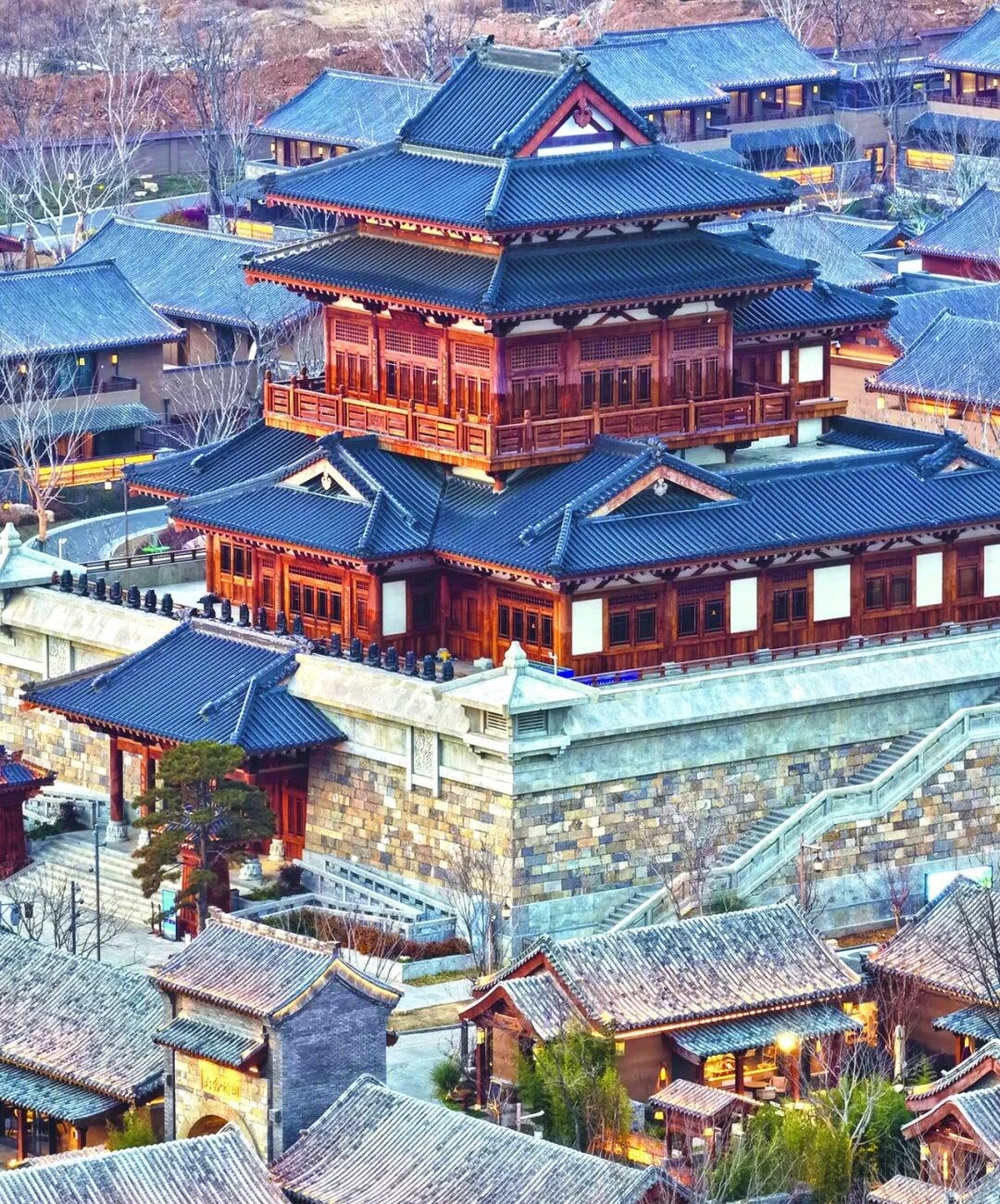
Qufu: The Pulse of Confucian Culture Captivates Travelers
Qufu, the millennia-old ancient city renowned as the “Holy City of the East,” stands as both a historical testament to the ancient capital of the Lu State and the birthplace and spiritual core of Confucian culture. Over 3,000 years, it has accumulated a profound cultural fabric, with every relic—from the UNESCO World Heritage “Three Confucian Sites” to Nishan, the “Birthplace of Confucius”—bearing the imprint of Chinese civilization. This hidden gem of a city sheds its restlessness, allowing its cultural essence to shine: the solemnity of the Ming City Wall (Three Confucian Sites), the Zen-like tranquility of Nishan Sacred Land, and the rustic charm of Luyuan Village together paint a picture of historical depth and warmth, inviting you to explore.
The architectural complex of the Confucius Temple is grand in scale. To its east, the Confucius Mansion features gray bricks and tiles, with nine courtyards arranged in three sections—every brick and tile tells a story of the Kong family’s heritage.
Located north of the city, the Confucius Forest is the resting place of Confucius. Rows of steles stand among towering cypresses, with a kilometer-long sacred path leading into the depths of the “Foremost Sage Forest.” Visiting the “Three Confucian Sites” here offers a meditative dialogue with the profound thoughts of Chinese civilization.
Nishan Sacred Land provides another dimension for understanding Confucian culture. This expansive cultural site, nestled against Nishan Mountain, has become a hub for cultural experiences and self-cultivation. The 72-meter-tall statue of Confucius stands against the mountain, overlooking the landscape, inspiring reverence. Enter the grand university hall, where intricate Dongyang wood carvings and vivid murals captivate the eye. Bathed in warm amber light, every detail showcases the breadth and depth of Confucian thought. Here, you can join ritual officials in ceremonies to honor the sage and make wishes, ascend the “Path of Learning” step by step, and grasp the life wisdom of “proceeding in an orderly manner.” Don VR headsets for an immersive XR theater experience, Nüwa’s Weaving Dream, where myth meets technology for a stunning journey into traditional culture.
Cultural heritage isn’t confined to temples and halls; it’s deeply rooted in the countryside. At the foot of Nishan, Luyuan Village is a rural cultural destination blending heritage with pastoral charm. The village is illuminated like a fairy tale, with a massive wishing tree glowing as a popular photo spot. The most enchanting aspect is the fusion of culture and everyday life: you can paint eyes on intangible cultural heritage fish lanterns, join lantern processions through dimly lit alleys, and touch the fish head for good fortune in the new year. On New Year’s Eve, join a lively bonfire party, dancing to upbeat band music.
From farmhouses wafts the rich aroma of lamb soup—locally sourced goat meat simmered for hours until the broth turns milky and tender. A warm bowl warms you from the tip of your tongue to your limbs. Stay in a characteristic rural inn, open your window to pastoral views, and experience the simple warmth of Lu-style country life, embracing the traditional rhythm of “working at sunrise and resting at sunset.”
As a key part of the “Hometown of Confucius and Mencius, Canal Capital,” Qufu offers diverse tourism resources. For winter fun, the Nishan Ski Resort features snowmobiles, mountain off-road vehicles, and snow paintball, while ice formations and a dreamlike snow lantern festival add a romantic ambiance. Yile Pastoral’s snow play area—with over 10 activities like snow bikes and sliding—is perfect for family fun. The Confucius Museum’s permanent exhibition “The Great Confucius” and rare ancient book displays from the Tang, Song, and Yuan dynasties unlock deeper cultural insights through rich artifacts and interactive exhibits. Liaohe Ancient Street hosts bonfire concerts and Spring Festival lantern fairs, blending intangible heritage performances with light technology for a festive atmosphere that brings traditional culture to life.
Some say only by understanding Qufu can you truly grasp the warmth and steadfastness of Confucian culture. It avoids over-commercialized clamor, offering instead the serene weight of millennia-old heritage settled in snow, and the warmth of ancient villages in the cold. In Qufu, follow the sage’s footsteps, touch the centuries-old Confucian spirit beneath ancient cypresses at the Three Confucian Sites, grasp the Way of Rites in Nishan’s light shows, and feel rural warmth in Luyuan Village—a journey of spiritual cultivation and cultural immersion. (Xia Dongyang)
Tips for Exploring Hidden Gem Qufu
- Must-Visit Attractions:
Three Confucian Sites: Witness morning bells and evening drums, ritual performances, and make New Year wishes at Dacheng Hall.
Nishan Sacred Land: Watch the Golden Sound and Jade Vibration show and marvel at the light spectacle.
Confucius Museum: Explore rare books, engage in study courses, and unlock the “Confucius Code.”
Yile Pastoral: Enjoy family snow play and go-karting for double the fun.
- Intangible Heritage on Your Plate:
Food experience: Savor authentic Confucius Mansion cuisine at Queli Binshe—refined like art. For dessert, try Confucius Mansion pastries, sweet and chewy, a taste that spans millennia.
- Take Home Literary Elegance:
Qufu’s Three Treasures (kaimu wood carvings, Nishan inkstones, and Qufu rubbings), plus seal carving, to feel the warmth and craftsmanship of Confucian culture.
- Stay in the Scenery:
Choose a Confucian-themed hotel near the Confucius Temple, with whitewashed walls and black tiles for an immersive experience.
- Warm Tips:
Qufu is a space for dialogue and contemplation between ancient architecture and time. Book performances in advance, and amidst elegant music, cleanse your soul.
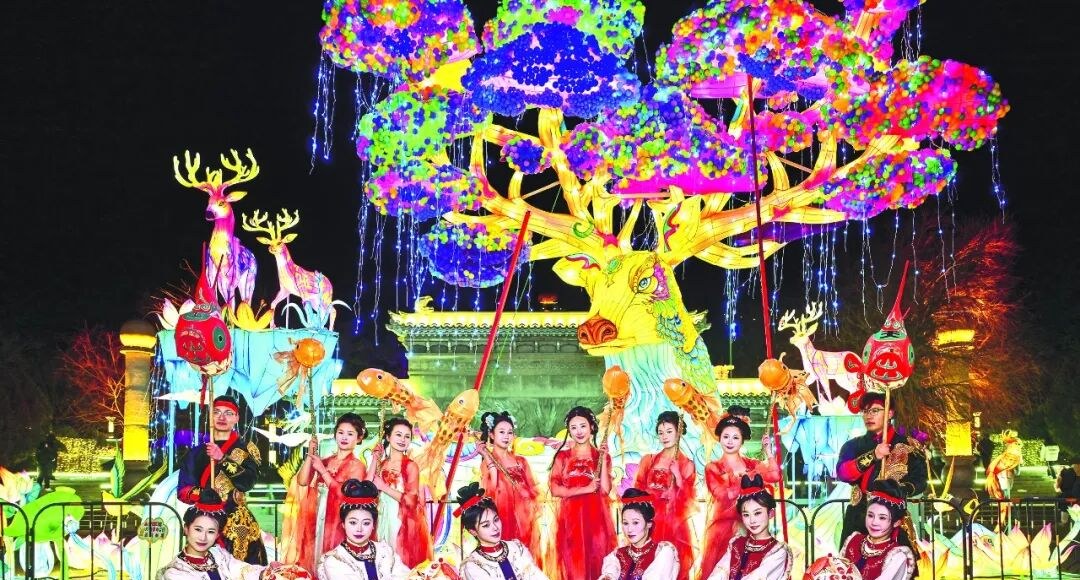
A Lakeside Getaway: A Cultural and Culinary Feast
When the wind sweeping across Dongping Lake rustles the reeds along its shore, this hidden gem at the confluence of the Yellow River and the Grand Canal takes on a fresh new look. Unlike the vast green waves of spring and summer, early spring here holds a more subtle poetry—morning mist over Daicun Dam carries the wisdom of a millennium of hydraulic engineering, the warm sun over Baifo Mountain gently caresses Sui Dynasty Buddhist niches, fragrant fish stew bubbles over a stove in a local fishing village, and lanterns at the intangible cultural heritage fair light up smiling faces.
This season, Dongping Lake is at its most serene and captivating. As a flood detention basin in the lower reaches of the Yellow River, the lake has shed the hustle and bustle of summer. Its clear waters mirror the distant Lashan and Liugongshan Mountains, with occasional migratory birds skimming the surface, stirring ripples. At the lakeside pier, fishing boats return laden with their catch, and fishermen deftly sort the freshly caught seafood. Locals will enthusiastically tell you, “Dongping Lake fish have firm, sweet flesh—they’ve been prized delicacies since ancient times.” Visitors and residents alike gather at the pier to pick out fresh aquatic products, the lively scene of buying and selling fresh catches adding warmth and comfort.
To trace the origins of these lake delicacies and explore the ecological secrets of this waterway, the Dongping Lake Fish Museum is an ideal stop. The museum features a VR exhibition hall recreating ancient fishing methods and a live display area where the “Four Major Chinese Carps”—black carp, grass carp, silver carp, and bighead carp—swim freely in clear water, allowing visitors to observe their growth up close. The symbiosis between bitterlings and freshwater mussels is illustrated with vivid graphics and text. In the interactive zone, children are fascinated by exhibits on aquatic life, using hands-on devices to learn about molting and reproduction—a perfect blend of fun and education.
Complementing the vibrant life of Dongping Lake is the millennia-old hydraulic legend of Daicun Dam. This “Heart of the Grand Canal,” listed among the first Yellow River Water Heritage sites, looks even more ancient and majestic in the morning mist. Inside the Daicun Dam Museum, canal maps and carbonized cypress piles silently narrate the 600-year-old feat of “diverting the Wen River to feed the Grand Canal.” Standing atop the dam and gazing into the distance, the gentle flow of the Wen River replenishing the canal highlights the ingenuity of building a dam on sandy shoals with tiered overflow.
From the hydraulic epic of Daicun Dam, head to Baifo Mountain, where historical sites abound, including the Sakyamuni Buddha statue, Sanjiao Temple, Grand Hall, and Bixia Yuanjun Temple. As night falls, the “Ten Thousand Lanterns Festival” lights up, blending lanterns with ancient architecture to create a dreamlike realm of light and shadow, allowing visitors to immerse themselves in the festive atmosphere and experience the dual charm of traditional culture and holiday cheer.
During the festival, the New Great Song Never-Night City transforms into a flowing intangible cultural heritage feast and a lively time-travel theater. As night descends, lanterns along the streets light up one by one, crowds of visitors jostle together, and laughter and vendor calls weave into a vibrant holiday scene. Rooted in Song Dynasty market culture, the city blends intangible cultural heritage techniques with immersive experiences. Every corner hides a surprise, and every street exudes ancient charm.
The markets in villages around the lake take the excitement to new heights. Stalls are piled high with local specialties like grains, handmade vermicelli, and freshly caught lake fish, the calls of vendors and bargaining mingling into the most vivid symphony of market life. The rich blend of New Year vibes and cultural heritage allows visitors to fully experience the unique charm of Dongping festivals.
In the restaurants of fishing villages, the signature whole fish feast is a true lake delicacy extravaganza. Each dish brings out the freshness of the lake’s bounty: the creamy Dongping Lake fish soup is rich and free of any fishy taste, needing only a pinch of salt to highlight its natural flavor; the glossy red braised Gaya fish is tender, with a savory sauce that melts in your mouth; the slowly simmered intangible heritage pickled fish has bones so soft they crumble, and the salty, fragrant meat pairs perfectly with freshly baked water chestnut cornbread for an authentic fisherman’s meal.
As a Dongping intangible cultural heritage food, Dongping Porridge is the soul-warming choice for a chilly spring morning. This 400-year-old porridge, a staple of local food culture, is made from soybeans and millet, ground with a stone mill, filtered through fine sieves, and slow-cooked over low heat. Served with spiced beans and crispy radish pickles, it’s both refreshing and heartening—a comforting presence on every local table.
Lakeside guesthouses are often converted from idle village homes, retaining the rustic charm of blue bricks and black tiles. Open the window to catch a view of Dongping Lake, and a short walk will take you to the pier or a fishing spot. Some guesthouses offer a “pick-and-cook” service, where fresh vegetables from nearby fields and the fish you’ve just bought can be turned into a home-style meal by the host, brimming with local flavor.
Come to Dongping for a warm rendezvous. At the meeting point of the Yellow River and the Grand Canal, encounter vibrant New Year traditions and authentic local life. (Bian Feng)
Tips for Exploring the Hidden Gem of Dongping
-
Must-Visit Spots:
- Dongping Lake: Crystal-clear waters mirroring migratory birds—serene and restorative.
- New Great Song Never-Night City: Thousands of lanterns light up, transporting you back to the bustling streets of Bianjing (Kaifeng) in a single step.
- Baifo Mountain: Snow-covered ancient temples; join the ten-thousand-lantern festival for prayers.
- Daicun Dam: Marvel at the “Heart of the Grand Canal” and the ancient wisdom of water engineering.
-
Intangible Heritage on Your Plate:
- Whole Fish Feast: Creamy fish soup, braised Gaya fish, pickled fish—countless ways to enjoy lake delicacies.
- Salted Duck Eggs, Pickled Fish, Fermented Grain Pancakes: Local specialties not to be missed.
- Soul Food: Don’t leave without a bowl of 400-year-old Dongping Porridge, paired with water chestnut cornbread—it’ll warm you through and through.
-
Souvenirs from the Lake:
- Dongyuan Paper Cuts, Dongyuan Cloisonné, Embroidered Flowers, Tianyuan Stone: These intangible heritage crafts are sure to catch your eye.
-
Stay in the Scenery:
- Premium Choice: Hilton Home2 Suites Dongping Lake, Dongping Guest House.
- Unique Experience: Great Song Guesthouse, Lake Charm Guesthouse—open your window to mountains and water.
-
Friendly Reminder:
- This is where the Yellow River meets the Grand Canal—a place of extraordinary vastness and tranquility. Perfect for unwinding and quietly savoring the dialogue between history and nature.Taste the Ancient Canal Ferry, Listen to the Festival Whispers
The hidden gem of a city, Linqing, has shed its bustling canal transport scene where “boats and barges lined up tail to tail, dense as scales.” In the morning light veiled with mist, the Sarira Stupa stands tall, with bronze bells on its eaves chiming in the wind. This city, once hailed as the “canal transport throat” that “outshone the two capitals” in prosperity, has now shed its old clamor and awaits every visitor with elegance and leisure.
As dusk falls, Dongwan Garden lights up with thousands of festive lanterns, turning its 500-acre expanse into a dazzling wonderland. The intangible cultural heritage “Datiehua” (molten iron fireworks) stuns the crowd as iron at a thousand degrees is flung into the night sky, golden sparks mingling with the lanterns, igniting the park’s atmosphere. Immersive performances like “Canal Happy Events” weave through the “one ring, two axes, three streets, and twelve alleys,” with costumed actors interacting and connecting with visitors, painting the past glamour of the ancient canal city. The food street is smoky and bustling—18-pleated shaomai, hearty “Eight Big Bowls,” and unique “Shixiang Noodles” all showcase the essence of canal cuisine. The rhythm of intangible heritage blends with laughter, making the night in this park a feast of light, aroma, and cheer.
“If Linqing has Wan Garden, why go south of the Yangtze for scenery?” Wan Garden’s serene beauty holds a rich Jiangnan elegance. If you catch a snowfall, Taihu stones reflect against the gray bricks and tiles, deepening the artistic conception of “mountain, water, poetry, painting, and garden.” Pavilions within the garden form natural stages, and in the early dawn, interactive performances unfold. Intangible heritage crafts are fun, Peking opera is bold and sonorous, and Kunqu melodies are soft and lingering—northern and southern arts collide and resonate, showcasing the blend of Jiangnan charm and canal culture.
The Canal Tax Bureau, once the “top of the eight major tax bureaus” in the Ming and Qing dynasties, is the only surviving tax bureau site along the Grand Canal, quietly preserving the historical memories of the canal transport heyday. Nearby, Aotouji is a landmark at the fork of the Yuan and Ming canals, named for its unique “turtle raising its head” shape, echoing the “Du Zhan” (monopoly) plaque and carrying the auspicious meaning of “coming out on top.” Visitors climbing up can see the old canal channel stretching out, feeling the deep weight of thousands of years of canal culture.
Another canal culture landmark, the Sarira Stupa, one of the “Four Great Pagodas of the Canal,” stands tall with its nine-story, octagonal form after 400 years of weathering. Climbing step by step to the top, you can see the Grand Canal winding through the city like a silver ribbon, with curling smoke from ancient homes blending with the sky. Bronze bells on the eaves chime in the wind, bringing the classic scene of “tower and shore hearing the bells” to life.
Linqing’s vibrant life is deeply rooted in the old alleys nourished by the canal. On a hutongs tour of the old city, Kaopeng Street is a must-visit. The four-pillar archway at the street entrance, with red background and gold characters reading “Kaopeng Street,” is a landmark of the ancient Zhongzhou city. This was once the gathering place for child candidates taking imperial exams, steeped in the culture of the examination system. Today, the simple and sturdy northern houses of red bricks and tiles hold stories of the past within their weathered walls. Shops line the street, exuding a leisurely, old-world charm that sketches the fabric of life in this ancient canal city.
The city’s charm lies half in its elegance and half in its烟火气 (lively street life). Linqing’s food culture runs deep, drawing food lovers from far and wide. The provincial intangible heritage Linqing Shixiang Noodles, said to be named by Emperor Qianlong, combine meat and vegetables for both looks and taste—one bite and you’re refreshed; Chuiji Noodles, “chicken in noodles but no visible chicken,” are brewed over three hours for a rich, lingering flavor. The “Jinjiang Fermented Bean Curd” from Jimei Pickle Garden undergoes 12 processes, ranking alongside Beijing’s “Liubiju” among the “Four Great Pickle Gardens of the North.” The pure Halal “Eight Big Bowls” blend meat and vegetables, and the shaomai have thin skin and ample filling, each bite leaving visitors with a long-lasting aftertaste and a belly full of the ancient canal city’s taste surprises.
In Linqing, there’s also an adorable “little spirit”—the lion cat. It’s a product of cultural exchange on the ancient Silk Road, with soft, snow-like fur and often eyes of different colors, blue or yellow, clear and lively. Its cute and charming look carries an innate spirit. This beauty and cuteness make it the mascot of Linqing’s cultural tourism. Various creative products based on the lion cat retain its lively traits while incorporating the city’s historical depth, winning hearts as soon as they launch.
Traveling in the hidden gem Linqing is a cozy experience of “catting” in time. No need to rush—sit in Wan Garden’s pavilions sipping tea, watching snow fall on the tiles; gather around a bonfire in Dongwan Garden and sing out loud, soaking in the lively vibes; listen to a soulful Peking opera by the canal, lost in traditional art; or wander the old alleys for street snacks, savoring the everyday hustle and bustle.
Fun Tips for Exploring the Hidden Gem Linqing
-
Must-Visit Spots:
- Canal Tax Bureau: Touch the brick walls and listen to old canal stories;
- Aotouji, the landmark at the Yuan-Ming canal fork, symbolizing “coming out on top”;
- Dongwan Garden: Watch the stunning Datiehua and immersive performances; Wan Garden: Enjoy Jiangnan snow scenes and listen to gentle guqin;
- Sarira Stupa: Climb to the top for a view of the canal like a ribbon, hear the tower bells, and feel your mind open wide.
-
Intangible Heritage on the Tongue:
- Noodle picks: Linqing Shixiang Noodles, praised even by Qianlong; Chuiji Noodles, chicken in noodles but no visible chicken.
- Flavor samples: Tuoban tofu, pure Halal Eight Big Bowls, small-cage shaomai;
- Side dish delight: Jimei Pickle Garden’s “Jinjiang Fermented Bean Curd,” rich and smooth.
-
Gifts from the Little City: Take Canal Memories Home:
- Special creative products: Classic tribute brick ornaments, irresistibly cute lion cat-themed merchandise.
-
Stay in the Scenery:
- Recommended: Sanhe Binshe, Linqing Hotel, Hilton Huating—conveniently located for easy eating and shopping.
-
Warm Tips:
- Linqing’s charm lies in its canal markets and intangible heritage performances. Get up early to visit the market and feel the vibrant, lively烟火气.
Source: China Tourism News
Tag navigation
Explore articles that share the same tag and jump to tag pages.


Category navigation
Jump to the article’s category or explore nearby topics.
Geographieunterricht für die Geschmacksknospen | Wie lässt der „Berg-und-Fluss-Genuss-Mikroraum“ Berge und Flüsse schmecken?
Jump to the more recent article in this topic series.
Ausstellungshighlights im Sommer: Eine Welle großartiger Museumsausstellungen versammelt sich→
Continue to the previous article in this series.
Related stories
More articles from the same category and nearby topics.