When inviting someone to dinner and they say 'I can't make it, something came up,' don't just say 'Okay, next time.' Here's how to respond with high emotional intelligence.
Read, share, and explore related stories through curated categories and tags.

Author: Rabbit Rabbit from VIKAN Editorial Department
Have you ever had this kind of experience?
You meticulously plan a big meal, spend three days picking the restaurant, run through the menu in your head five times, and even come up with a caption for a social media post. Then, with great anticipation, you send out the invitation, and the other person replies, “Can’t make it, something came up last minute.”
At that moment, your mood is like a freshly blown-up balloon that someone just poked with a needle.
What’s most people’s first reaction? “Oh, okay, no problem, let’s do it next time.” And then they mentally put that person on a “never inviting again” blacklist.
But think about it—this response, while polite on the surface, basically says nothing at all.
“Next time” in “let’s do it next time” essentially means “maybe in another lifetime.”
The other person won’t think you’re emotionally intelligent for saying that; instead, they’ll think, “Oh, he didn’t really want to treat me anyway.”
So, what should you actually say? I’ve broken it down into three scenarios, each based on real-life practice, so you’re covered next time.
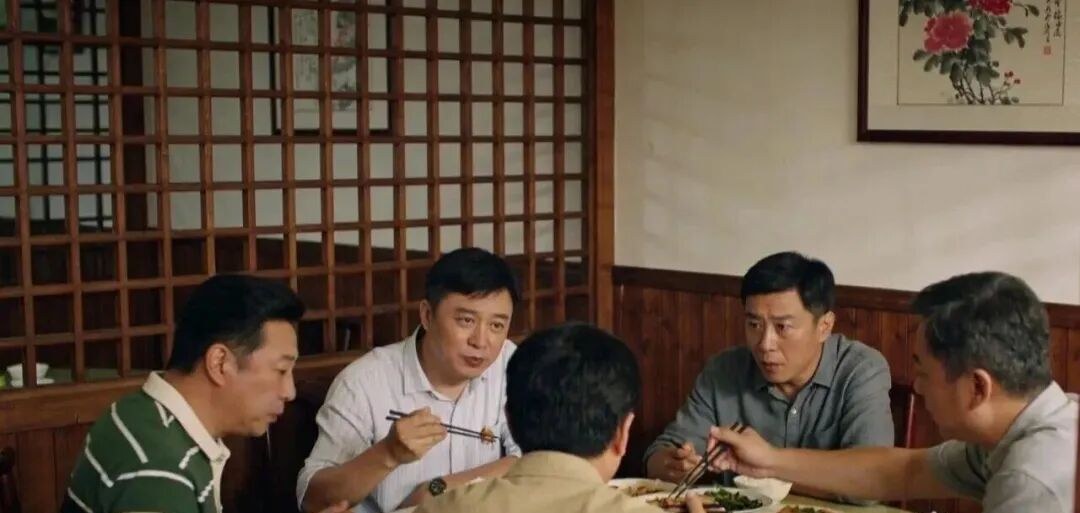
The first situation, and the most common one: the other person really does have something going on, but it’s not that urgent—the main thing is they don’t want to tell you exactly what it is.
At times like this, don’t push by asking “What’s up?” or “Is it serious?”—that’s just being clueless. And don’t go cold with “Okay, bye”—that lacks warmth. The high-EQ move is to give them an out first, then leave room for later.
You can smile and say: “Oh, that’s too bad. I already told my boss I was bringing a really important friend today—he’s going to be disappointed now.”
What’s brilliant about this line? First, you’ve called them an “important friend,” so they feel valued. Second, you’ve pinned the “disappointment” on your boss, not you—you’re being magnanimous. Third, it’s a little humorous, so the vibe stays light. Even if they really have plans, they’ll feel good hearing this, and next time you invite them, they’ll have less mental baggage to say yes.
The second situation is when the other person genuinely wants to go but truly has something come up—like a last-minute overtime at work, a sick kid, or a car breakdown.
Your job here is to turn “being rejected” into “being needed.”
You can say: “No problem, go take care of your stuff. Hey, if you guys need a hand and can’t manage, just call me anytime—I’m free today anyway.”
When they hear that, what do they feel? You’re not pressuring them to show up—you’re showing you care about them.
You’ve gone from being “the host” to becoming “someone they can count on.”
Even though the meal didn’t happen, your relationship actually takes a step forward. Next time, they’ll be the one eager to treat you.
The third situation is the advanced move—when the other person might just be giving a polite refusal.
Some people say “something came up,” which really means “I don’t feel like going” or “I’m too lazy to head out.”
If you say “Let’s do it next time,” there probably won’t be a next time. You need to give them a reason they can’t turn down.
You can smile and say: “What bad timing! I specially ordered that dish you said you wanted to try last time, and the owner said the ingredients are super fresh today. How about this: I’ll sample it for you first, and I’ll let you know how it tastes. Next time, you’ll have to come judge it yourself.”
The power of this line lies in the fact that you remembered what they like to eat—it makes them feel important.
You’ve turned “eating together” into “taste-testing for them,” and they’ll feel a bit guilty for standing you up. Once guilt sets in, the chances of them saying yes to your next invitation double.
Of course, there’s one situation you need to learn to recognize: if someone turns you down three times in a row, each time with a “sudden thing came up,” then don’t bother overthinking what a high-EQ response would be.
Just reply with a simple “Okay,” and permanently delete that person from your “treat list.”
In adult socializing, the highest form of emotional intelligence isn’t turning every meal into a perfect show, but knowing who’s worth treating a second time.
Finally, here’s a piece of advice for you: people who genuinely want to eat with you will bring an umbrella when it rains, make up for work overtime with a day off, and take the initiative to set a specific time when something comes up.
As for those who only say “next time” without ever naming “which day,” don’t take them too seriously.
And you—just save your high emotional intelligence for those who deserve it.
For the ones who don’t, your “Okay” is already polite enough.
Author: Rabbit Rabbit, from the editorial department of Vikan. Article first published on the official account: VIKAN Vikan (ID: kawa01). Vikan, helping millions see a beautiful life. Reprints please contact Vikan.
Tag navigation
Explore articles that share the same tag and jump to tag pages.
Category navigation
Jump to the article’s category or explore nearby topics.
Am Nanxi-Fluss: Die Film- und Fernsehbasis für alte chinesische Dörfer rückt näher!
Jump to the more recent article in this topic series.
Geografiestunde für den Gaumen | Wie lässt der „Mikroraum zum Genuss von Bergen und Flüssen“ die Landschaft schmecken?
Continue to the previous article in this series.
Related stories
More articles from the same category and nearby topics.