Spanish Vintage × Chinese Cuisine = ∞?
Read, share, and explore related stories through curated categories and tags.

Every pairing has its match: Spanish wines meet Chinese cuisine.
Food is the priority of the people, and wine and food go hand in hand—a meal without wine lacks flavor. Wine has evolved alongside civilization, and it can be said that the history of human civilization is a history of the evolution of food and wine culture.
As globalization accelerates, Chinese cuisine and foreign wines continue to collide and blend. When Spanish wines meet Chinese food, what kind of惊喜 will unfold?
Recently, to celebrate the 50th anniversary of diplomatic relations between China and Spain, the Spanish Wine Interprofessional Organization (OIVE) launched the “Chinese Master Dishes Meet Spanish Wines” event. In this encounter between Spanish wines and Chinese cuisine, Winesight saw the infinite possibilities born from the fusion of two distinct cultures.There are a thousand Hamlets in a thousand people’s eyes, but when Spanish wine meets Chinese cuisine, there are more than a thousand wonderful pairings in the minds of food and wine lovers.
It is reported that in this lavish feast where master Chinese dishes meet Spanish wines, the organizers selected representative dishes from different cuisines — dry-fried meatballs from Jinglu cuisine, white-cut chicken from Cantonese cuisine, and steamed shad with rice wine from Jiangnan cuisine — and thoughtfully recommended two “official” Spanish wine pairings for each dish. Yet, that still couldn’t stop wine lovers from enthusiastically “shipping their own combinations.”
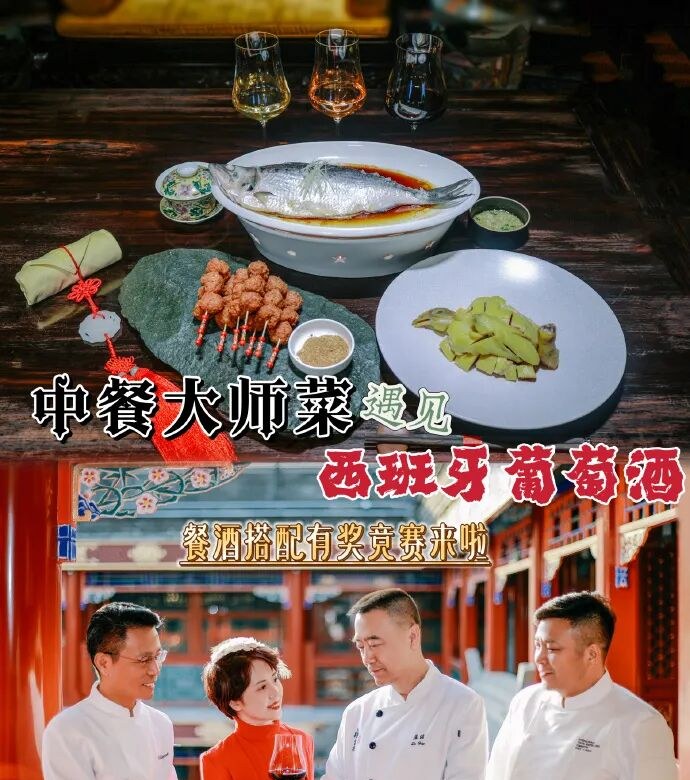
About official pairings, blogger

Beyond the official pairings, more wine enthusiasts express their own personal favorites. Blogger
Another blogger,

“I would choose a Malvar dry white from the Madrid region of Spain to pair with white-cut chicken, highlighting the chicken’s tenderness and fragrance.”
“For deep-fried meatballs, my upgraded answer is sherry. Its rich nutty, creamy aroma and refined structure further enhance the crispy texture and flavor of the fried balls.”
“A white wine made from Godello in the Valdeorras region has citrus fruit aromas, floral notes, along with herbal and mineral flavors, a creamy mouthfeel, and a round, elegant finish. Paired with fatty shad, it should be fantastic.”
With just three dishes, so many wonderful wine pairing options emerge—it’s easy to see that this is inseparable from the deep heritage of Spanish wines.Chinese culture has always emphasized the idea of a perfect match. From the perspective of diversity, Spanish wine and Chinese cuisine can truly be considered a match made in heaven.
China’s splendid five-thousand-year history and culture have nurtured countless culinary delights throughout the ages. Taking the present day as an example, from the vast northern grasslands to the fertile Jiangnan water towns, from the exotic inland northwest to the trendy eastern coast, thousands of unique dishes come together to form the rich and diverse Chinese food culture—unrivaled anywhere in the world.
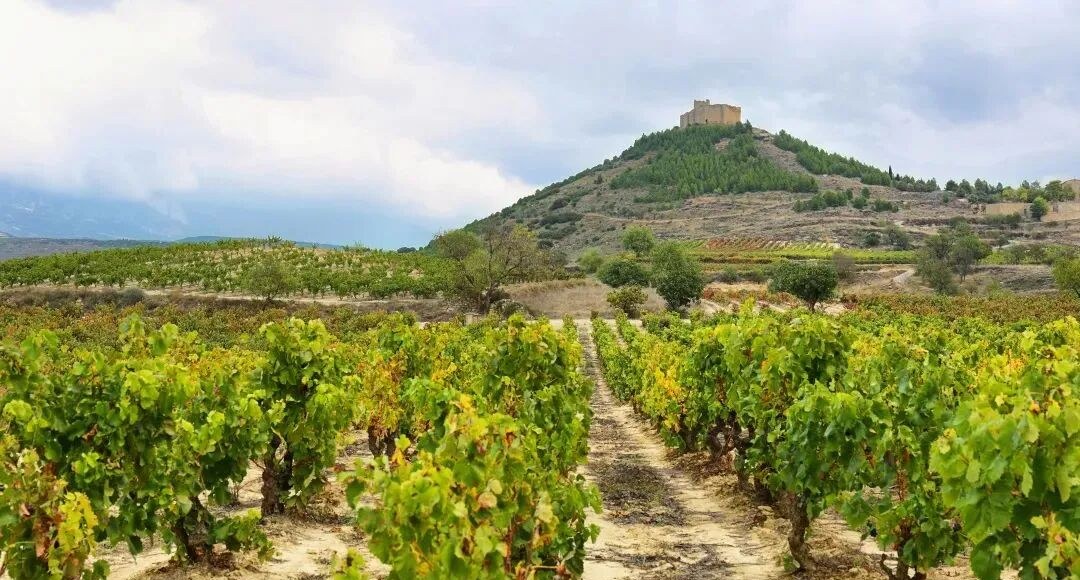
Turning the spotlight to Spanish wine, it holds the top spot in both conventional and organic vineyard area, fundamentally ensuring the diverse charm of Spanish wines.
When it comes to grape varieties, Spain boasts over 150 native types, standing out for its unique diversity. Currently, more than 100 varieties are officially designated for winemaking and widely planted across various Denomination of Origin (DO) regions.
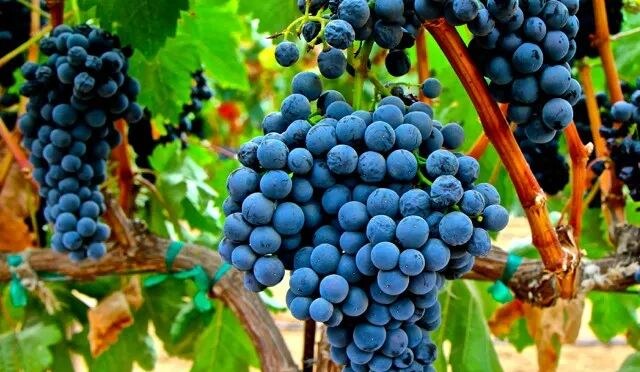
Beyond the impact of planting area and grape varieties, the numerous appellations of origin also play a crucial role in enhancing the diversity of Spanish wines.
According to data, Spain currently has 70 DOs, and this number is increasing year by year. Each DO is regulated by a local wine council, which establishes regional wine laws based on the country’s basic wine regulations and local conditions. These laws guide the expression of different styles of the same grape variety while ensuring consistent high quality from the source.
Some industry insiders believe that if each DO were a dish, then Spain as a whole would resemble a table covered with two-thirds of a Manchu-Han Imperial Feast—each dish carefully crafted with its own unique flavor.
As a masterpiece created by both nature and human effort, wine cannot take shape without the artisan touch of winemakers. Spain’s diversity and exceptional terroir attract talented winemakers from around the world, who come one after another to explore and craft even more diverse and high-quality Spanish wines with their global winemaking styles.
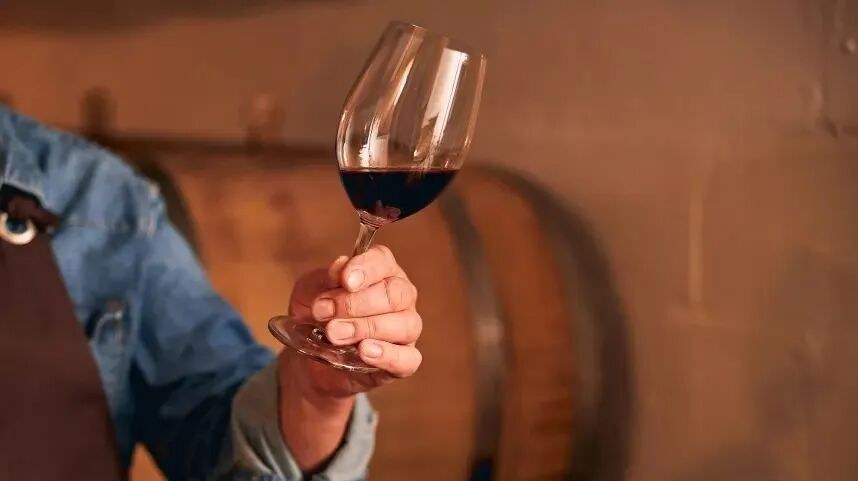
An industry insider revealed that Spanish wines are also highly versatile. In recent years, while preserving traditional winemaking techniques, many wineries and winemakers have even willingly downgraded their wines to pursue more diverse and extreme expressions of terroir, using special grape varieties and winemaking methods to create interesting and high-quality wines.
All these factors together contribute to the diverse charm of Spanish wines, allowing wine enthusiasts who seek personalized expressions to find fresh, crisp, and fruity high-quality white wines in the northwestern regions; traditional, long-aged complex red and white wines in the north-central regions; traditional method Cava sparkling wines comparable to Champagne in the northeastern regions; and fresh, young, fruit-forward rosé, white, and red wines across various regions in Spain. Of course, the southern regions are not to be missed for their distinctive Sherry fortified wines and Malaga sweet wines.
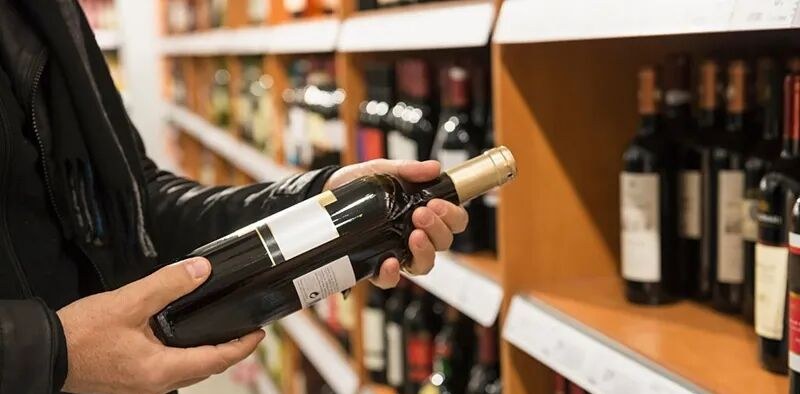
Hawking once said that nothing is more moving than the sense of similarity across distances. Though rooted in different cultures, where mountains and seas separate us, we share the same moon and breeze. Spanish wine and Chinese cuisine are highly aligned in their charm of diversity and high quality. Based on this very diversity, any Chinese dish can find a matching Spanish wine to satisfy the needs and tastes of different people and preferences in China.
According to the latest data from the Spanish Wine Market Observatory (OeMv), between October 2021 and September 2022, Spain’s wine export sales reached nearly 3 billion euros, with bottled wine prices rising by over 8%, setting a new record for the wine industry’s exports. In the first 10 months of 2022, export values also repeatedly hit new highs.
Additionally, the official “2022-2027 Spanish Wine Industry Strategic Implementation Summary” forecasts “at least a 40% increase in exports by 2027,” indicating that Spanish wine still has enormous potential for sustainable growth in the future. As a globally significant consumer market, China will be a key growth market for Spanish wine.
Click “Read More”
Sign up for the 2023 (7th) China Wine Exhibition and the 2024 (4th) South China Wine Exhibition now. Prime booths are hotly booking…
Tag navigation
Explore articles that share the same tag and jump to tag pages.
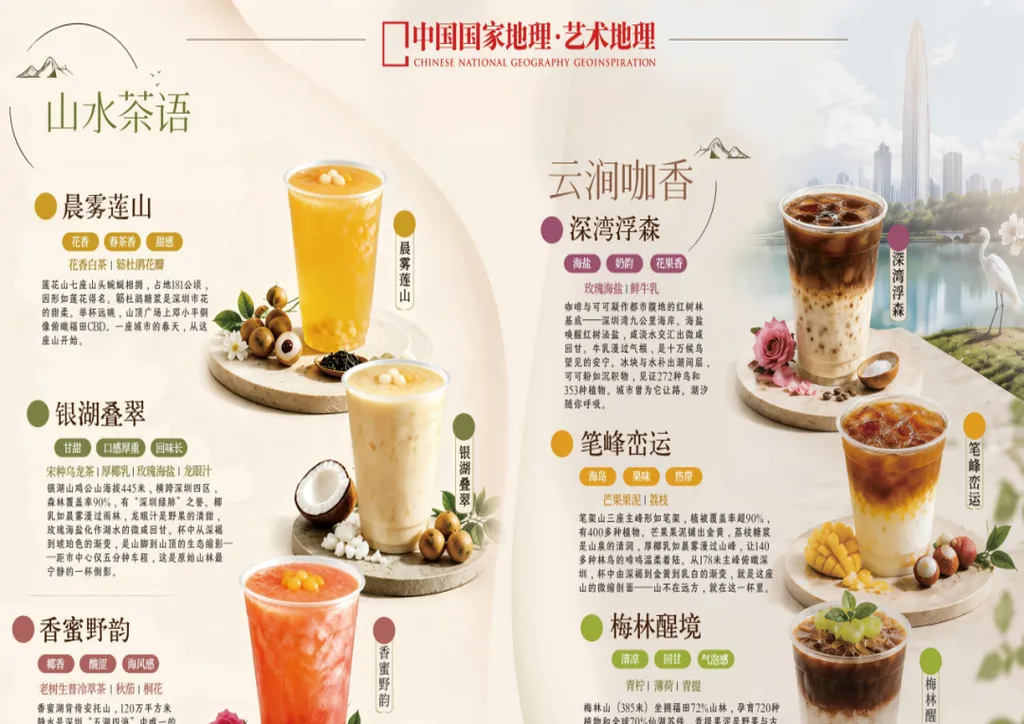
Geografie zum Genießen: Wenn Chinas Landschaften als Tee und Kaffee im Glas landen
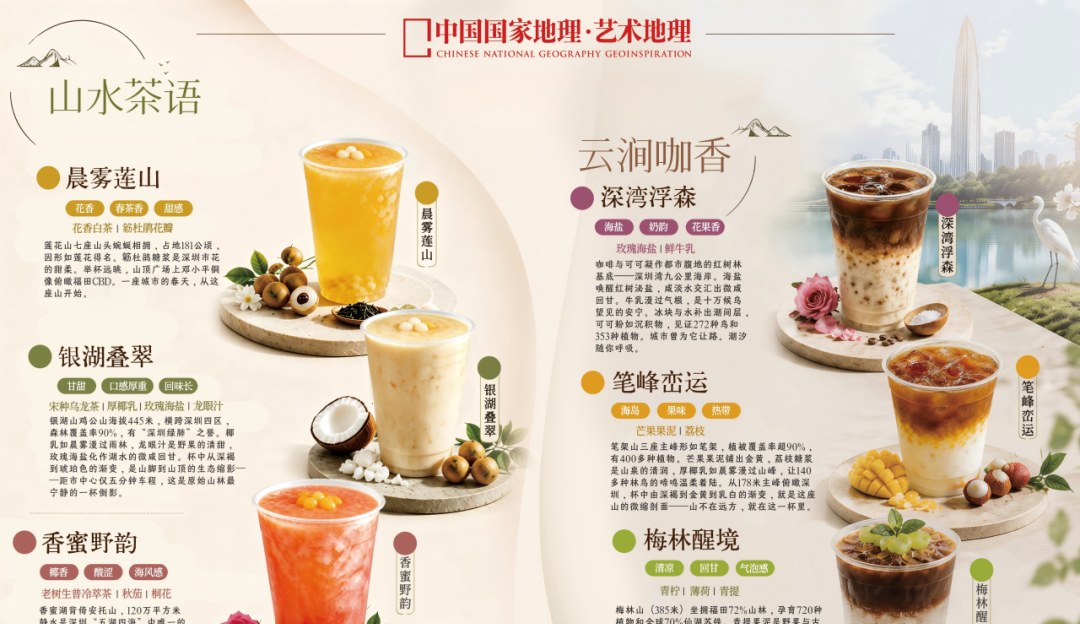
Geographieunterricht für die Geschmacksknospen | Wie lässt der „Berg-und-Fluss-Genuss-Mikroraum“ Berge und Flüsse schmecken?

Achtseitige Sonderbeilage der China Tourism News! Wenn die Schätze Shandongs zu einer langen Rolle der Qi- und Lu-Kultur werden
Category navigation
Jump to the article’s category or explore nearby topics.
Wo steht die chinesische Küche weltweit wirklich? Die UN hat das Wort
Jump to the more recent article in this topic series.
Erster "Tag der chinesischen Marken": Goldenes Fischöl hilft chinesischer Küche, den Hauptsitz der Vereinten Nationen in New York zu erobern
Continue to the previous article in this series.
Related stories
More articles from the same category and nearby topics.