The 'Spicy' World of Chinese Tea
Read, share, and explore related stories through curated categories and tags.
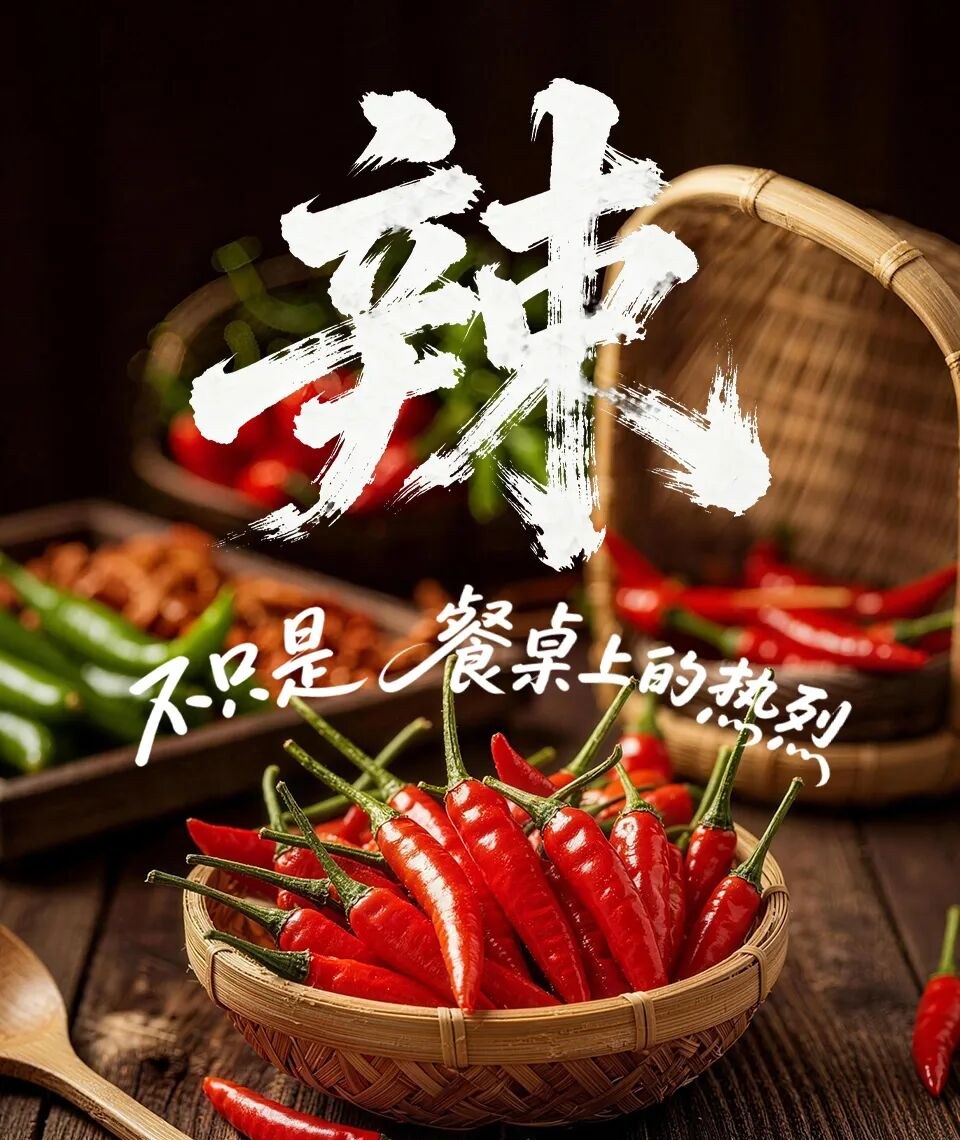
Chinese people have long been well-versed in the layers of spiciness: the pure, direct burn of small chili peppers, the warm, slightly numbing kick of hot oil over chili flakes, and the numbing-spicy interplay of Sichuan peppercorns and chilies.
You might not expect it, but these familiar layers of “spiciness” from the dinner table can also be found in a tiny tea leaf.
An old Chaoshan tea drinker takes a sip of Rougui, squints, and says, “This tea is sharp, it’s spicy on the tongue.” In a Hakka communal house, an elderly woman brings over freshly stir-fried green tea and says with a smile, “This tea has a strong wok-hei, it burns your tongue when you drink it, really wakes you up.” We always talk about tea flavors—sweet, bitter, astringent, fresh—but rarely notice that “spiciness” is also a niche, natural flavor in Chinese tea.
Is there really a “spicy” taste in tea?
Before we dive into the “spicy” flavor of tea, it’s crucial to clarify that the “spiciness” in tea discussed here is not the external stimulation from capsaicin added to food. Instead, it’s the oral irritation caused by the tea’s own endogenous compounds like caffeine and tea polyphenols, combined with unique aroma molecules to create a sensory experience. This emphasizes the stimulating sensation on the palate, not the spicy taste we associate with eating.
What exactly is the “spiciness” in tea?
Many people think “spiciness” is a taste, but it’s not.
We often talk about “spicy flavor,” but it’s really a “spicy sensation.”
From a sensory science perspective, “spiciness” is essentially a pain sensation. It’s the burning, tingling, and astringent feeling triggered when substances stimulate the TRPV1 receptors in the oral mucosa. This is completely different from the five basic tastes: sweet, sour, bitter, salty, and umami.
The “spiciness” of chili peppers comes from a single, strong stimulus of capsaicin, aimed directly at an intense burning sensation. In contrast, the “spiciness” of tea is a complex experience born from the synergy of inherent compounds and aromatic molecules—a sort of oral irritation that resembles “spiciness.”
The “spiciness” in tea is similar to the pungent aroma, strong stimulation, and astringency of spices entering the mouth, emphasizing the dual sensory experience of taste and touch akin to eating chili peppers.
The formation of “spiciness” in tea hinges on the combined effect of four types of substances:
The core skeleton is caffeine and ester-type catechins. These are the primary internal components of tea and the root of its stimulating nature. When they reach a certain threshold, they directly cause astringent stimulation on the tongue, palate, and throat—the common material foundation of all “spicy” teas.
The flavor enhancer is tea saponin. This naturally surface-active substance has an obvious pungent “spicy” feel and foaming property, further intensifying the burning and tingling sensation in the mouth, especially in purely “spicy” teas, where it serves as an important supplement.
When brewing Wuyi rock tea, the rich foam floating on the surface largely comes from tea saponin.
The soul of the layers comes from volatile aromatic compounds. Molecules like pyrazines, furans, terpenes, and linalool inherently have a slight stimulating effect. They can either amplify or soften the basic “spicy” sensation, and more importantly, give the “spiciness” entirely different flavor directions—whether it’s pure intensity, a gentle warmth wrapped in scorched aroma, or a multi-layered sensation with numbing undertones, all determined by these aromatic compounds.
Of course, not all teas can develop a signature “spicy” flavor. Only when specific variety genetics, growing environment, and processing techniques work together can these substances be precisely preserved, transformed, and balanced, resulting in three distinctly different subtypes of “spiciness.”
The expression of “spicy” flavor is more related to the variety, influenced by processing techniques and growing environment.
Pure Spiciness
The most straightforward release of tea’s internal qualities.
The “spiciness” of the pure type is like the most primal, direct oral stimulation of capsaicin, without any extra complex aroma embellishments. “Spiciness” is the core, the unfiltered release of the tea’s inherent qualities.
The moment it enters the mouth, you feel a distinct Intensity on the tongue and throat, followed by a clear tea energy rush, unadulterated by other flavors—the most direct, genuine expression of “spiciness.”
Pure spiciness stems from the direct stimulation and astringency of caffeine and tea polyphenols.
The core logic of this pure “spiciness” is preservation. The raw material must have significantly higher levels of caffeine, ester-type catechins, and tea saponin than ordinary teas. The processing then maximizes the retention of these endogenous substances, avoiding heavy roasting or long fermentation to transform or soften the stimulation. The result is the purest “spiciness” from the variety’s and terroir’s high internal quality.
The most representative pure-spicy tea is Hakka Stir-Fried Tea (Hakka stir-fried green tea). In the Hakka mountain regions of Meizhou, Heyuan, and Jieyang in Guangdong, the high-altitude terrain, strong UV rays, and year-round misty microclimate allow tea plants to accumulate far more internal substances than ordinary green tea.
The century-old technique of heavy stir-frying and prolonged pan-firing uses high-temperature killing to quickly lock in the tea’s inherent qualities, without unnecessary transformation or embellishment. This results in a direct, pure “wok-hei spiciness.” One sip delivers a stimulating sensation from the tip of the tongue straight to the throat, followed by a strong astringency—a signature flavor passed down through generations of Hakka tea makers.
This is a relatively niche local tea made in many areas of Guangdong beyond Chaozhou.
Another benchmark is the Zijuan Pu’er raw tea. As a special variety of Yunnan large-leaf tea, Zijuan has much higher levels of anthocyanins, caffeine, and tea polyphenols than ordinary Pu’er large-leaf varieties.
Combined with the high-altitude tea mountains of Menghai and Lincang, which offer strong diurnal temperature variations and ample diffused light, its internal quality is even fuller. The traditional sun-drying process maximally preserves the tea’s endogenous substances, so the first sip delivers a strong, pure stimulating sensation on the tongue.
Pu’er teas from Pu’er and Xishuangbanna both have relatively pronounced “spicy” flavors, while Lincang’s Pu’er is known for its sweetness.
Spicy-Aromatic
Aroma is the soul, “spiciness” is the vehicle.
If pure spiciness is “spiciness” first and aroma second, then the spicy-aromatic type is the complete opposite: Aroma is the soul, and “spiciness” is just the carrier of that aroma.
This kind of “spiciness” corresponds to the scorched, burnt, and complex pungent aromas released when dried chilies are hit with hot oil. The first sensation is a rich roasted or varietal aroma, followed by a warm, sharp tingling on the tongue. Aroma and “spiciness” blend perfectly, complementing each other. The “spiciness” is wrapped in the aroma, not harsh but full of tension.
It’s like Sichuan cuisine known for its spicy-aromatic dishes.
The key to spicy-aromatic is transformation. Through medium-to-heavy roasting, some of the tea’s polyphenols and caffeine are moderately degraded, softening the direct sharpness. At the same time, high temperatures generate large amounts of pyrazines, furans, and other burnt aromatic compounds. These slightly stimulating aromatic molecules work in synergy with the remaining caffeine and catechins to create a complex experience where aroma carries “spiciness” and “spiciness” wraps the aroma.
Of course, all this presupposes that the raw material from core production areas has enough internal quality and aromatic foundation to withstand the roasting process.
High-temperature roasting is the core process for creating spicy-aromatic teas, fully activating and transforming the tea’s internal compounds.
The benchmark for spicy-aromatic flavor is undoubtedly Rougui rock tea. The Danxia landform of Wuyi Mountain’s core Zhengyan area, with its gravelly soil, the microclimate moisture from the Nine-Bend River, and ample mountain diffused light, endow Rougui with a naturally cinnamon-like and fruity aromatic base.
Combined with the traditional medium-to-heavy charcoal roasting process, it evokes a scorched, spicy aroma similar to hot oil hitting cinnamon, perfectly merging with the moderate internal stimulation. The first sip is a powerful, sharp cinnamon scent, followed by a perfectly balanced pungent “spiciness” on the tongue. The aroma and “spiciness” are one—the classic expression of spicy-aromatic flavor.
Rougui’s own cinnamon-like fragrance is very similar to the cinnamon used in spice blends.
Another typical example is the heavily roasted Fenghuang Dancong. In the core Wudong production area of Fenghuang Mountain in Chaozhou, the high altitude, acidic red soil, and year-round misty conditions give Fenghuang Dancong an extremely rich array of aromatic substances.
The Chaoshan tea masters’ traditional technique of multiple rounds of heavy charcoal roasting further unlocks a complex layering of burnt, honeyed, and fruity aromas. This works in synergy with the moderate internal stimulation, so the aroma arrives first, followed by the “spiciness.” Aroma and “spiciness” are one, warm and full of layered depth.
Fenghuang Dancong, known for its aroma and high levels of caffeine and tea polyphenols, becomes even more intense and layered after charcoal roasting.
Numbing-Spicy
A layered, three-dimensional mouthfeel.
The numbing-spicy type is the most complex and layered of the “spiciness” subtypes in tea. It corresponds to the intertwining, layered sensory experience of Sichuan peppercorns’ numbness and chilies’ spiciness, far from a simple burning sensation.
The core of numb-spicy is layering. The variety’s naturally occurring terpenes, linalool, and other aromatic compounds create an ongoing tingling and vibrating sensation—what we call numbness. Meanwhile, caffeine and ester-type catechins bring an astringent, pungent “spiciness.”
The processing uses light-to-medium fermentation and moderate roasting, maximizing the retention of the variety’s unique aromatic traits while balancing the stimulating internal qualities. The result is a layered, three-dimensional interplay of numbness and spiciness, where neither is dispensable.
Like Chongqing hotpot, where multiple stimulating sensations build layer by layer for a long, lingering finish.
The core representative of numbing-spicy flavor is Fenghuang Dancong’s Ginger Flower Aroma Dancong. As one of Fenghuang Dancong’s top ten famous varieties, Ginger Flower Aroma Dancong naturally possesses a unique, delicate ginger flower and ginger-like pungent characteristic. Combined with the high-altitude terroir of Fenghuang Mountain’s core Wudong area, its aromatic compound accumulation is even fuller.
The traditional light-to-medium roasting process maximizes the retention of the variety’s inherent numbing and pungent “spicy” sensation. The first sip offers a refined ginger flower aroma, followed by a delicate tingling on the tongue, then a warm, pungent “spiciness.” The numbness and spiciness build layer upon layer, creating a
It feels three-dimensional and vivid.
Chaozhou Fenghuang Mountain: A Treasure Trove of Tea Varieties
Another classic representative is the Tie Luohan rock tea. As the foremost of the four famous Wuyi rock tea cultivars, it differs from Rougui’s bold cinnamon aroma with its own deep, medicinal-woody spiciness. The fragrance is steady but piercing.
Through traditional medium-to-heavy charcoal roasting, it locks in Tie Luohan’s inherent medicinal and woody notes while balancing the astringency and stimulation of its inner qualities. After brewing, the first sip brings a deep, rocky medicinal aroma, followed by a fine, lingering numbing sensation on the tongue. Then comes a thick, warm, and mellow spiciness, where the numbness and “heat” intertwine and build layer by layer, creating a powerfully textured rock charm.
The four famous Wuyi rock teas include Tie Luohan, Shui Jin Gui, Ban Tian Yao, and Bai Ji Guan, each with its own unique distinctiveness compared to common teas.
A Complete Guide to Buying and Tasting “Spicy” Teas
First, avoid the pitfalls: distinguish quality “spiciness” from inferior irritation.
A quality tea’s “spiciness” must harmonize aroma and heat, delivering a pleasant stimulation without throat-clinging effects. It leaves a clear aftertaste and salivation, free from off-flavors, burnt notes, or harsh astringency. It’s a positive, special flavor shaped by tea variety, terroir, and craftsmanship.
If a tea offers only pure astringency, numbness, throat tightness, or tongue-scraping without any accompanying aroma, it’s likely a processing defect—over-killing, burnt roasting, failed fermentation, or low-quality leaves—not the natural “spiciness” we’re talking about.
Be especially wary of burnt teas with charred, smoky flavors and their associated irritation.
Buying Guide: Choose Tea According to Your Needs
If you’re a beginner, start with spicy-aromatic teas like Wuyi Rougui or heavily roasted Fenghuang Dancong. The aroma outweighs the heat, offering high acceptance and rich flavor layers without strong irritation—perfect as an entry into “spicy” teas.
If you’re an experienced tea drinker who loves bold flavors, go for purely “spicy” teas like Hakka stir-fried tea or Ziju raw Pu’er. They’re rich in inner qualities, pure in intensity, highly energizing, and let you experience the tea’s most authentic, inherent stimulation.
If you’re an advanced player exploring flavor boundaries, try numbing-spicy teas like Jianghua Xiang Dancong or Tie Luohan rock tea. Their layered mouthfeel and complexity let you appreciate the unique charm of tea’s nuanced dimensions.
Overall, “spicy” teas suit those with a heavier palate.
Drinking Precautions
Finally, a reminder: “spicy” teas have strong internal stimulation. People with sensitive stomachs, pregnant women, nursing mothers, those with insomnia, or highly sensitive to caffeine should drink sparingly or avoid them to prevent overstimulation. Also, avoid drinking highly stimulating pure “spicy” teas on an empty stomach to prevent digestive discomfort.
Tea is rich in caffeine, which speeds up blood circulation. Excessive intake may cause heart rate increases and blood pressure fluctuations, leading to palpitations. Pregnant women should follow medical advice and control daily caffeine intake.
In the “Spiciness”
Lies the Diversity and Vibrancy of Chinese Tea
The “spiciness” in tea has never been an outlier or a core mainstream in tea’s flavor system. It’s just a special, niche presence among China’s many tea flavors—a vivid reflection of the diversity in Chinese tea’s taste, terroir, and craftsmanship.
Just as Hunan and Sichuan cuisines are part of China’s culinary landscape.
From the pure, intense “heat” of Hakka mountain regions, to the aromatic spiciness of Wuyi Danxia, to the numbing, layered “spiciness” of Fenghuang Mountain—a cup of tea’s “spiciness” holds the subtle terroir differences of a region and the tea makers’ varying understanding and craft expression.
We’re used to defining tea with words like “mellow and gentle,” but breaking that stereotype, trying and sensing this special “spiciness,” lets us fully grasp the richness and vibrancy of Chinese tea, revealing more hidden wonders in the world of Chinese tea flavors.
No spice, no fun: Do you usually like spicy food? What’s your spice tolerance? What’s your favorite tea? Feel free to share your experience in the comments!
【References】
[1] Wang Hansheng. The Chemical Basis of Tea Color, Aroma, and Taste[J]. Guangdong Tea Industry, 2005, (Z1): 39-41.
[2] Xiong Ke, Xia Yanbin, Wang Yan, et al. Study on Spiciness Grading Methods for Chili and Its Products[J]. Food Science, 2007, (05): 37-40.
[3] Yue Yingfeng, Shi Bolin, Zhao Lei, et al. Establishment of Sensory Descriptors and Comparison of Sensory Characteristics for Spicy Strips[J]. Journal of Food Safety and Quality Inspection, 2022, 13(09): 2728-2735. DOI:10.19812/j.cnki.jfsq11-5956/ts.2022.09.002.
[4] Wu Yaoyu. A Semantic and Grammatical Study of Taste Words in Modern Chinese[D]. Soochow University, 2013.
[5] Li Mingchao, Liu Ying, Yang Yang, et al. Research Progress on Main Chemical Components and Pharmacological Activities of Ziju Tea[J]. Journal of Food Safety and Quality Inspection, 2019, 10(08): 2293-2299.
[6] Shi Hongdi, Wang Bangzheng, Li Qian, et al. Comparison of Quality of ‘Ziju’ Tea under Different Processing Techniques[J]. Chinese Agricultural Science Bulletin, 2020, 36(34): 142-147.
[7] Yan Changyu, Zhao Chaoyi, Luo Junwu. Comparative Analysis of Sensory Evaluation of Representative Fenghuang Dancong Samples[J]. Guangdong Tea Industry, 2006, (05): 18-21.
[8] Xiao Ling. Analysis of Aroma Components in Ten Fragrance Types of Fenghuang Dancong Tea[D]. Southwest University, 2018.
[9] Ye Jianghua, Zhang Qi, Liu Defa, et al. Quality Difference Analysis of Wuyi Rougui Tea and Its Relationship with Mineral Elements[J]. Tea Communication, 2021, 48(01): 105-113.
[10] Li Yuanhua, Zhang Yuanyuan, Luo Shengcai. Observation of Botanical Characteristics and Analysis of Main Biochemical Components of Wuyi’s Four Famous Cultivars[J]. Sericulture and Tea Communication, 2013, (06): 27-32.
[11] Wu Weicai, Tang Ping, Ding Bao. Cultural and Technical Research on Meizhou Hakka Stir-fried Green Tea[J]. Modern Horticulture, 2018, (09): 170-171. DOI:10.14051/j.cnki.xdyy.2018.09.098.
[12] Zhou Chunjuan, Guo Shoujun, Zhuang Donghong, et al. Study on the Variation Characteristics of Aroma Components in Different Fragrance Types of Fenghuang Dancong during Processing[J]. Modern Food Science and Technology, 2016, 32(06): 246-255. DOI:10.13982/j.mfst.1673-9078.2016.6.039.
| Previous Picks
Writer: Zheng Honglong
Layout: Zheng Honglong
Design: Tang Yutao
Review: Gao Yuan
[Disclaimer]
This content is original to [National Tea Geography]
Unauthorized reproduction is prohibited without account authorization.
Tag navigation
Explore articles that share the same tag and jump to tag pages.
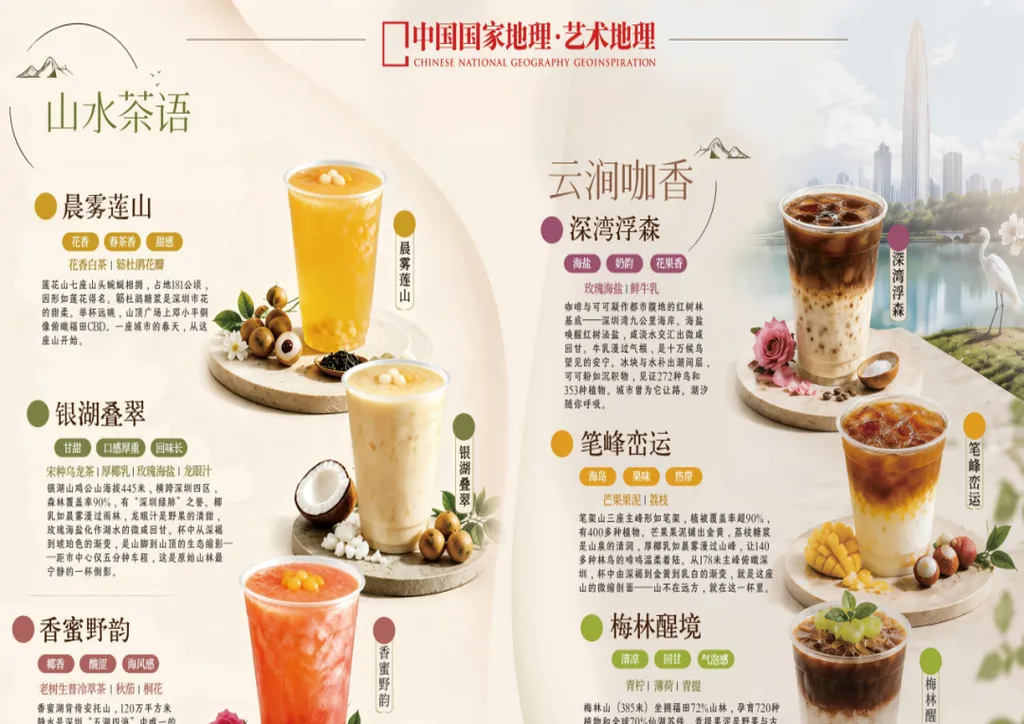
Geografie zum Genießen: Wenn Chinas Landschaften als Tee und Kaffee im Glas landen
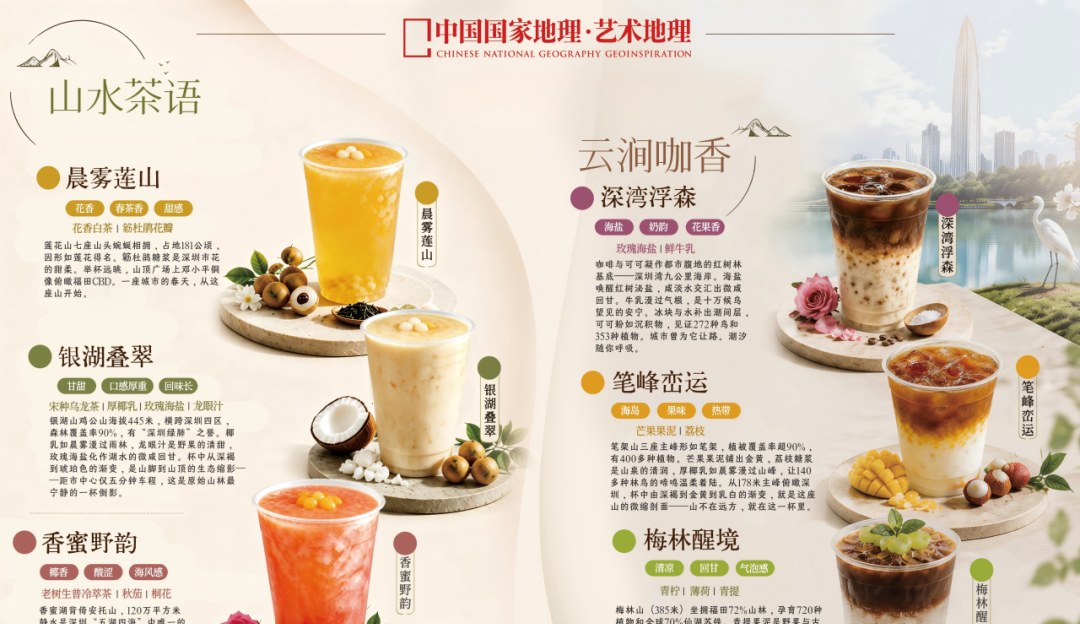
Geographieunterricht für die Geschmacksknospen | Wie lässt der „Berg-und-Fluss-Genuss-Mikroraum“ Berge und Flüsse schmecken?
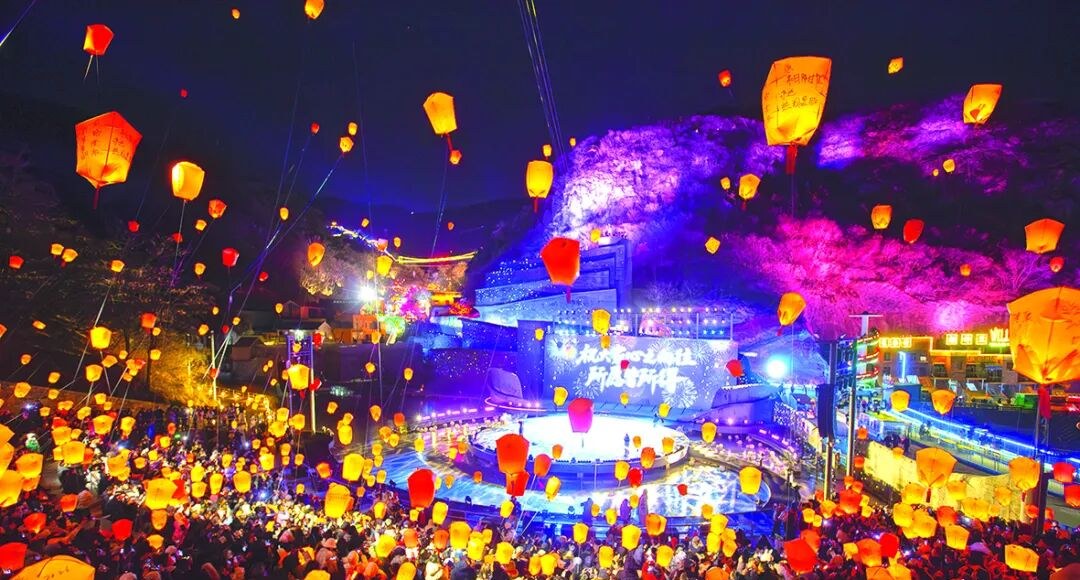
Achtseitige Sonderbeilage der China Tourism News! Wenn die Schätze Shandongs zu einer langen Rolle der Qi- und Lu-Kultur werden
Category navigation
Jump to the article’s category or explore nearby topics.
Kommen Sie nach Fuyuan, um der erste Mensch des Landes zu sein, der die Sonne sieht
Jump to the more recent article in this topic series.
In den tiefen Bergen Vietnams verbirgt sich überraschenderweise eine „französische Kleinstadt“
Continue to the previous article in this series.
Related stories
More articles from the same category and nearby topics.