Come to Fuyuan, Be the First Person in the Country to See the Sun
Read, share, and explore related stories through curated categories and tags.
I can’t quite remember when exactly, but “chasing the light” has become a huge trend among young travelers. Some people cross oceans to see the aurora in the Arctic Circle, others travel thousands of miles to plateaus waiting for the golden hour to hit snow-capped mountains. But in Fuyuan, the easternmost town in China, there’s a kind of light that starts here every single day, crossing mountains and rivers to illuminate every inch of the country—the first sunlight of the morning.
Fuyuan sits in the northeast of Heilongjiang Province, earning it the nickname “the First City of the East.” It’s like a starting point: from here, China welcomes brand new days.
On an early-morning green train, I spent half the night going over the plan for this trip. When the conductor announced, “Fuyuan Station, next stop,” I stepped off to find a simple, clean station building. Fuyuan Station is the easternmost railway station in China. Since it opened in 2012, the “Easternmost Point” hasn’t felt so out of reach anymore. Trains from Harbin chug slowly through the Sanjiang Plain, dropping off carloads of light-chasing dreamers at this quiet little station.
In many small towns, the bus routes are loops, and Fuyuan’s No. 2 bus is no exception. I got on at the train station, heading east along Yingbin Road under the faint light of 2 a.m. The sky shifted from deep blue to orange-red—a sight you can only catch around the summer solstice in Fuyuan. On the bus, an old man carrying a fish basket and a woman with soy milk both knew where I was going. They said, “Get off at People’s Square, walk along the riverbank, and you’ll see the Dongji Pavilion.”
01
Meeting the Sun at the Nation’s Easternmost Point
I climbed up the mountain path to Dongji Pavilion, a Tang and Han-style building perched at the highest point of the Huaxia Dongji National Forest Park. At 266.5 meters above sea level, it’s not tall, but it’s enough to overlook the entire town. Before 3 a.m. Beijing time, the eastern horizon started to glow red. Fuyuan, cradled by the Heilongjiang and Wusuli Rivers, slowly woke up. The world seemed to have the volume turned down, leaving only the sounds of my heartbeat and the camera shutter.
Finally, a red sun slowly peeked out from the river’s surface. In an instant, golden light spilled across the water, shimmering like countless stars dancing. At that moment, I truly understood the weight of the phrase “the Easternmost Point of China.” Right then, I was among the first of over a billion Chinese to see the sun that day. That experience was more breathtaking than any scenery.
I drove to the Wusu Bridge, built in 2012 and called “the First Bridge of China’s East.” It’s the only way to connect the mainland to Heixiaozi Island. Below it, the Fuyuan Waterway flows northward. Across the bridge lies the world’s only inland “two-nation, one-island”—Heixiaozi Island. In 2008, after the China-Russia border delimitation on the island was completed, the returned land became the youngest territory in China.
Heixiaozi Island is one of Fuyuan’s most iconic landmarks. Its wetlands, marshes, and forests form a complete ecosystem, a paradise for rare plants and animals. On the island, a floating wooden boardwalk about 2,256 meters long winds through the wetland park, where wild ducks paddle around. Beneath your feet are thousand-year-old “tower-head mounds,” and if you look down, you can see tiny fish darting through water plants. Look up, and herons glide across the water. In the Wild Bear Park, over 130 black bears roam across 130 hectares. Watching their adorable antics through the car window is one of the most healing sights in this natural wonderland.
Monuments and boundary markers on the island leave historical imprints on this natural land. Standing by Boundary Marker No. 259, I looked across the river to Russia’s Kasakovichi Town, where some abandoned buildings sat. The newly built Dongji Pagoda, on the island’s northeast corner, symbolizes the cultural and spiritual watch at China’s easternmost point. The “First Outpost of the East” on the island is the country’s easternmost border guard station. Every day, soldiers there raise the national flag with the first rays of sunlight, that red fluttering boldly on the border.
After exploring Heixiaozi Island, I drove back across the Wusu Bridge and ended up at Dongji Square. A massive sculpture of the ancient seal-script character “東” (east) stands by the riverbank, like a sentinel watching over the border’s sun, anchoring the coordinates of “China’s Easternmost Point” in the rushing water. The Sun Pavilion on the square offers an unobstructed 360-degree view of the sunrise, drawing countless light-chasers willing to wait from dusk until dawn. Standing there, I saw the magnificent confluence of the Fuyuan Waterway and the Wusuli River, with Russia just across the river.
02
The Golden Fish Beach: Fuyuan’s Freshwater Fish Kitchen
If light is Fuyuan’s soul, then fish is its flesh and blood. Fuyuan was once called “Yiliga,” meaning “golden fish beach” in the Hezhe language. It’s known as “the Home of Chum Salmon in China,” producing Fuyuan chum salmon with delicate, peach-pink flesh that’s incredibly tasty, certified as a national agricultural product with geographical indication. Fuyuan boasts an extremely rich variety of freshwater fish, with about 105 species inhabiting its Heilongjiang and Wusuli Rivers. The phrase “three flowers, five luo, eighteen children, seventy-two assorted fish,” describing fish diversity, refers to this place. Locals can eat fish in a different way every day for a month without repeating.
To get good fish, you have to wake up early. At 3 a.m., while the city still sleeps, the Dongji Fish Market on Yihe Road in Fuyuan Town is already bustling. It’s the largest freshwater wild fish market in northern China, with a history of over a hundred years. Sixty-five fish stalls line up in a row, with lively gui, zheluo, and sturgeon glinting silver. The vendors skillfully scale and gut the fish, and the air carries a smell—not fishy, but a fresh, sweet river scent mixed with scales being scraped off. If you’re not into it, it might be overpowering; but if you are, you could stand there for ages.
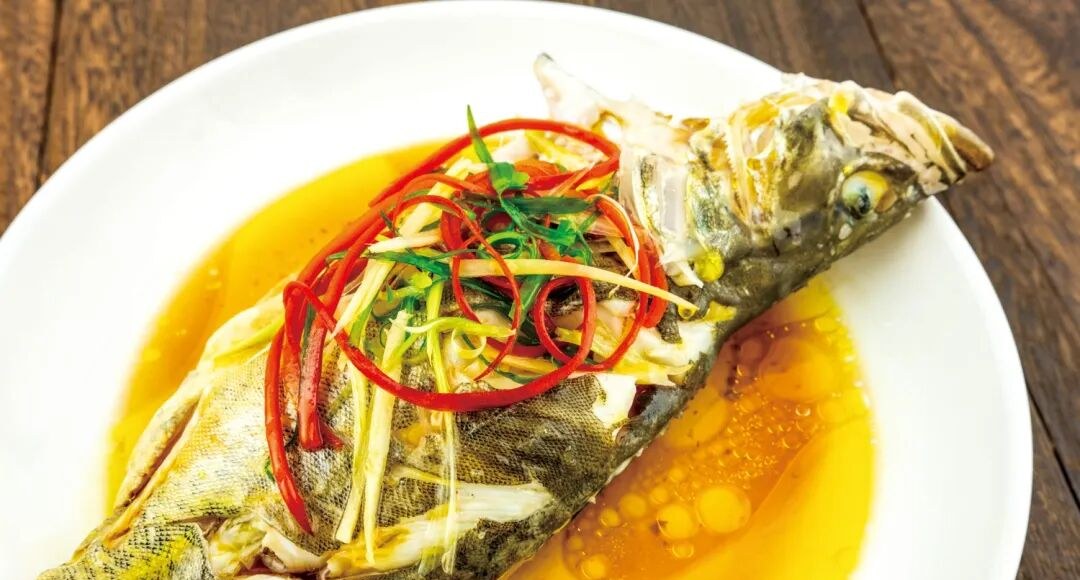
I picked a three-pound gui fish and walked into a nearby riverside eatery. A dozen minutes later, a steaming plate of steamed gui arrived. The moment the fish hit my tongue, the fresh, rich flavor melted away, making me truly understand what “so fresh it makes your eyebrows drop” means. The most authentic way to eat it is the Hezhe traditional dish “sha sheng yu.” This involves slicing live fish straight from the river into translucent threads, arranged on a plate like a pile of ice. Wild chives are chopped, chili oil is drizzled, and vinegar is splashed on. When mixed, the fish threads change color, their edges curling slightly, making you hungry just looking at them. A bite of the cold, crunchy fish sends vinegar’s sourness and chili oil’s aroma rushing in, followed by the fish’s own mild sweetness. Chew slowly, and it crunches between your teeth, both refreshing and appetizing. Eating this first thing in the morning wakes you right up.
As for chum salmon roe, that’s a different story. Every autumn, chum salmon come back from the sea, fighting against the current to reach their birthplace. After laying eggs, they die from exhaustion. The fish are gone, but the roe remains. Those bright orange-red beads, packed tightly together, glisten like rubies freshly scooped from the riverbed. Locals call them “Dongji caviar.” The most authentic way to enjoy it is mixed into hot rice. Freshly cooked rice from the rice cooker, piping hot, gets a layer of roe on top, then stirred well. The rice’s heat draws out the roe’s salty, savory richness, and with every bite, the roe bursts between your teeth with a soft pop.
The fish in the river sustain the people on the bank. From the Hezhe ancestors’ “sha sheng yu” to today’s steamed gui in local eateries, this tradition has been passed down for thousands of years without interruption. The fish nurture people, and so people honor the fish. The Hezhe still maintain the custom of offering sacrifices before casting nets, and the first catch from the net is released back into the water—“returned to the river god,” as they say.
03
Hezhe Fish Skin Art and the Red Sea of Cranberries
Leaving the fish market, I still carried the scent of the river and fish. Walking along the Wusuli River, I gradually realized that Fuyuan’s “fish” isn’t just in the pot—it’s woven into daily life. The fish from the river end up on the table, but also on clothes, in paintings, and in stories. For the Hezhe people living between the two rivers, fish is both food and totem. To truly understand this “golden fish beach,” you have to step beyond the dining table and into the Hezhe villages to explore the cultural treasures of this fishing and hunting people.
The Zhuaji Hezhe Ethnic Village in Wusu Town is one of the key cultural heritage sites for the Hezhe people downstream on the Heilongjiang River. From above, the village looks like a giant fish lying by the Wusuli River. Strolling through, fish are everywhere: fishnets hang on wooden houses, streetlights are shaped like fish, and signs follow the same theme.
Here, you can see the Hezhe’s unique fish skin art. Fish skin, after being dried, descaled, and tanned, becomes as soft and flexible as cloth. The Hezhe cut, carve, and paste it into vividly detailed pictures that depict their centuries-old fishing and hunting life.
The village houses a Hezhe cultural training center, and if you’re lucky, you might catch a performance of “Yimakan.” Yimakan is a unique form of Hezhe storytelling, blending epic heroes with lyrical short pieces, with a melancholic, distant melody that’s both touching and beautiful. In 2006, Yimakan was listed by the State Council as one of the first batch of national intangible cultural heritage items. In 2011, it was inscribed on UNESCO’s List of Intangible Cultural Heritage in Need of Urgent Safeguarding. In December 2025, Yimakan was transferred from the Urgent Safeguarding list to the Representative List of the Intangible Cultural Heritage of Humanity.
The Hezhe people’s wisdom isn’t just hidden in their intangible heritage; it’s also embedded in their age-old way of life. Fishing with “bell nets” and “jue da hooks”—these ancient techniques are survival methods the Hezhe ancestors developed through their interactions with nature. When a bell net enters the water and fish touch it, the bells ring, allowing precise tracking of fish positions. The jue da hook, shaped like a small fish with eight iron hooks embedded in it, swings with the river current.
Action: it can precisely hook fish swimming at the bottom of the water, requiring little human effort yet yielding a bountiful catch.
Today, the Hezhe people have integrated traditional fishing and hunting with modern ecological fishing, designating fishing areas, limiting fishing seasons, and controlling catch numbers. This not only preserves their ancestral fishing and hunting lifestyle but also safeguards the ecological balance of the two rivers, allowing fish to thrive and reproduce. This philosophy of “living in harmony with the river and taking only what is needed” is the most precious cultural treasure the Hezhe people have left to Fuyuan.
Beyond the unique Hezhe culture, Fuyuan’s civilizational fabric is enriched and diversified by the coexistence of multiple ethnic groups and cross-border integration. Han, Hezhe, Manchu, Russian, and other ethnicities live together here, where different cultures meet and blend, painting a vivid picture of border coexistence.
Festivals are the best carriers of cultural fusion. The Hezhe’s “Urigong Festival” is a carnival for fishing and hunting communities, featuring fishing competitions, boat races, and folk performances that showcase the Hezhe’s boldness and enthusiasm. During the Han “Dragon Head Raising Festival” on the second day of the second lunar month, Fuyuan locals hold prayer ceremonies, get haircuts, and eat pig head meat to pray for a year of good weather and harvests. At the China-Russia Cross-Border Culture Festival, Russian oil paintings, dances, and music collide and blend with Chinese intangible cultural heritage crafts, traditional operas, and folk performances, shining with a unique brilliance.
Fuyuan’s treasures are half in the water and half on land. In Dong’an Village, Heixiazi Island Town, not far from Zhuji Village, lies Fuyuan’s most surprising landscape—the largest cranberry cultivation base in Asia. In 2014, the North American-originated “ruby” cranberries crossed the ocean to settle here, now covering an area of 4,200 mu.
When harvest season arrives, specialized harvesting machines drive through the flooded fields, their mechanical arms beating the vines. One by one, bright red fruits float to the surface, spreading a layer of rosy red across the water. This spectacle of a “red ocean” shatters the stereotype that the black soil of Northeast China only grows soybeans and sorghum. Biting into a fresh cranberry, its intense sourness makes you wince. These cranberries are processed into dried fruit, juice, and jam, becoming Fuyuan’s new taste ambassador.
Few realize that this red fruit field is inseparable from the natural conditions of the Heilongjiang River Basin wetlands. Cranberries thrive in acidic soil with ample water, and the marshlands of the Sanjiang Plain provide just the right growing conditions. Once barren lowlands, they’ve now become a “test field” for modern agriculture, opening a window for the border town of Fuyuan to the rest of China and the world. This small city at China’s easternmost tip not only boasts abundant fish in its rivers but also nurtures new miracles on its black soil.
04
Life on the Border at an Open Port
In Fuyuan, the rivers are not just scenery—they are also a national border. The two major border arteries converge here, flowing together into the distance. The Heilongjiang River completes its mid-course mission here, heading east into Russia until it reaches the Tatar Strait.
The tension of this border is especially palpable today. Fuyuan Port is one of Heilongjiang’s five major ports facing Russia, just 65 kilometers by water from Khabarovsk, a key Russian Far East city. A one-hour boat ride takes you to the other side, offering the thrill of a day trip crossing two countries.
Fuyuan Port’s transportation network is also expanding. Bridges, roads, and riverside promenades connecting the island to the city are being built, gradually forming a travel route facing the sunrise of the East Pole. Every summer, self-driving travelers from all over China follow the Heilongjiang River eastward, stopping in Fuyuan to watch the sunrise, browse fish markets, and explore the island in search of the easternmost point.
Fuyuan is opening up to the world with a more welcoming attitude. It is advancing the construction of a new border passage, which will evolve into a modern smart port integrating customs clearance, cargo transport, and comprehensive services. The “Eastern Pole of the Motherland” on the map is slowly becoming a frontier node for China’s opening to the north.
After touring the area and returning to Fuyuan’s city center, you truly appreciate the livability of this border town. In 2025, it was named a National Civilized City. With a permanent population of just over 90,000, its streets are clean and wide, with few people and cars. A taxi ride costs just a few yuan to anywhere in town. Many young people have left, but those who remain stay by the river, living their daily lives.
As the sun was about to set, I climbed the East Pole Pavilion again. The sunset painted the city’s rooftops in a golden glow. Unlike the vibrant energy of morning, Fuyuan at this moment was gentle and serene. In the square, speakers blared as dozens of people lined up to dance. Nearby, children chased each other on scooters, their laughter echoing far and wide. This peaceful, down-to-earth happiness is a common sight in this border town.
“The sun rises in Fuyuan; though far, it is reachable.” Fuyuan, in fact, is not far away. Though it lies at China’s easternmost tip, it exists in the itinerary of everyone willing to travel for that first ray of sunlight. Everything here together paints a real, vivid, and unfiltered view of the East Pole. Fuyuan is not an end but a beginning: the start of chasing light, the start of savoring freshness, the start of understanding China.
——END——
Author: Beryl
Photographers: AKA A Tongmu, Chen Xiaoyang
Forgetful Travel World, Yunhuang, Old Mountain Goods
Shutter a Bit Slow, mnimage
WR.LILI
Layout: That Guy from Chuan Kou
Global Human Geography, April 2026 Issue
▼
▼
Click on the image below
▼
Subscribe to Global Human Geography
Tag navigation
Explore articles that share the same tag and jump to tag pages.
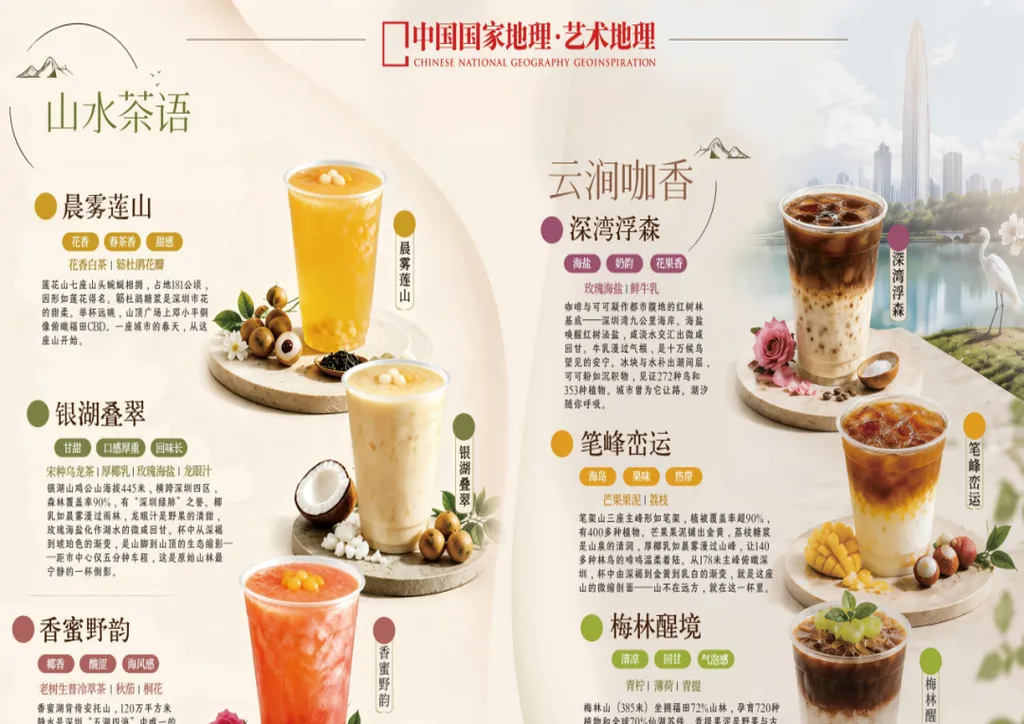
Geografie zum Genießen: Wenn Chinas Landschaften als Tee und Kaffee im Glas landen
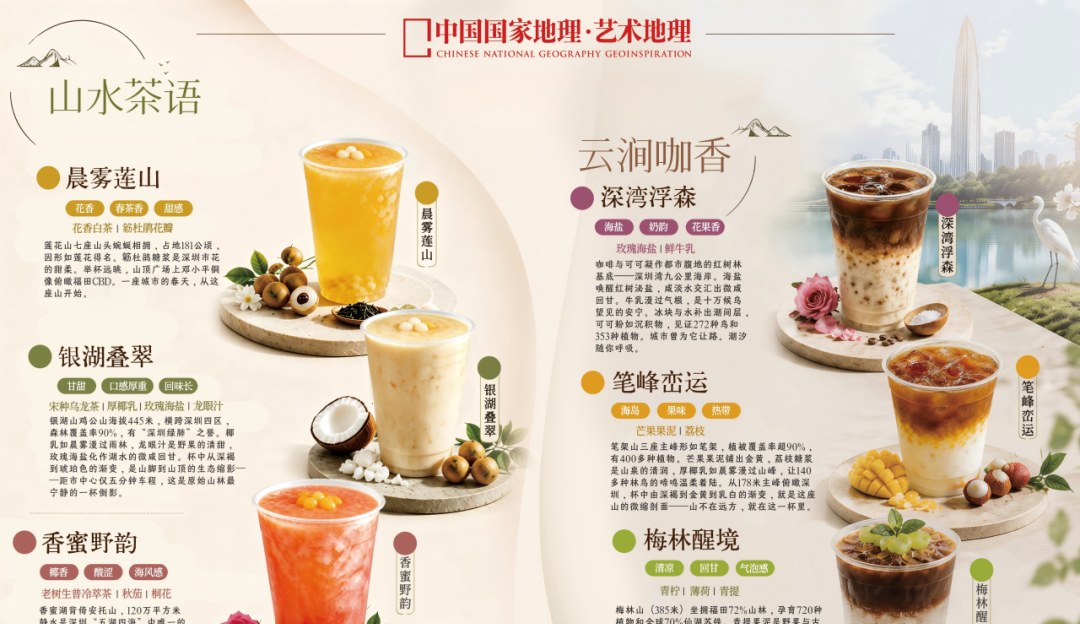
Geographieunterricht für die Geschmacksknospen | Wie lässt der „Berg-und-Fluss-Genuss-Mikroraum“ Berge und Flüsse schmecken?
Achtseitige Sonderbeilage der China Tourism News! Wenn die Schätze Shandongs zu einer langen Rolle der Qi- und Lu-Kultur werden
Category navigation
Jump to the article’s category or explore nearby topics.
Inländischer Freizeitpark der Spitzenklasse, seltene Sommerferien-Aktion, dieser Preis muss gut sein!
Jump to the more recent article in this topic series.
Die "scharfe" Welt des chinesischen Tees
Continue to the previous article in this series.
Related stories
More articles from the same category and nearby topics.