Hidden in the deep mountains of Vietnam, there is actually a 'French town'
Read, share, and explore related stories through curated categories and tags.
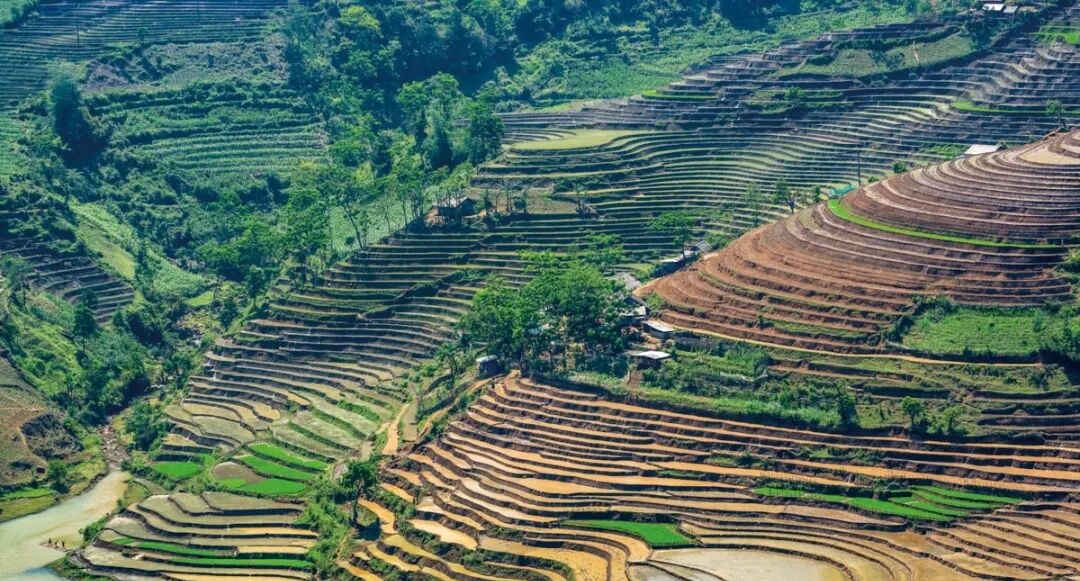
After five or six hours of bumping along mountain roads on a night bus from Ho Chi Minh City, when the wind outside shifts from humid and hot to cool and crisp, when the scent of pine forests overtakes the city’s smoke and bustle, you’ve arrived in Da Lat.
This small highland town, sitting at 1,500 meters above sea level in Lam Dong Province in southern Vietnam, straddles both banks of the Cam Ly River and experiences wide swings in day-to-night temperatures. In 2003, the Vietnamese government designated Da Lat the “City of Flowers.” Today, it’s a staple on Vietnam travel lists, but too many people just zip in for a quick photo op, leaving with nothing more than dry labels like “French-style town” or “summer resort.” Really, Da Lat’s story runs much deeper.
In 1893, French bacteriologist Alexandre Yersin discovered this cool highland. Later, under colonial planning, churches, villas, and boulevards were built one after another, turning a summer resort town designed with European aesthetics from blueprints into reality. After the colonial era ended, the French architecture remained, blending with local Vietnamese culture to become the Da Lat of today.
A Hobbit’s Hometown
Every building seems to have a splash of color film mixed into it. As soon as you arrive in Da Lat, it feels like stepping into a French director Eric Rohmer’s movie—set in a romantic French palette, with light dialogue and slow-moving time. Everywhere you look, there are freely growing flowers and plants, tall and lush trees, and green hedges. Beneath a sapphire-blue sky, Gothic spires stand alongside colorful fairy-tale houses, while motorbikes whizz past. People, like characters in a film, sit around small wrought-iron tables, leisurely sipping coffee and chatting.
Da Lat Cathedral is the town’s most striking landmark. Its 47-meter-high Gothic spire pierces the clouds, and the 70 stained-glass windows shipped from France cast shifting light and shadow, slowly unfolding Bible stories in the sunlight. Built in 1931, this church is both a religious sanctuary and a witness to colonial history.
In contrast to the cathedral’s solemnity, the Bao Dai Summer Palace has a more down-to-earth feel. This was the summer retreat of Vietnam’s last emperor, Bao Dai (Nguyen Phuc Thien), built between 1933 and 1938 with three floors and 25 rooms, hidden among tall Norfolk pines. The ground floor was for the emperor’s work and receiving guests, while the upper floor housed the royal family’s living quarters, including private rooms for the emperor, empress, princes, and princesses. Push open the door, and gilded chandeliers, velvet sofas, and a vintage piano line up, exuding French aristocratic style. Look closer, though, and Vietnamese wood carvings and bamboo decorations feature landscapes and cranes—French and Vietnamese influences seamlessly intertwined. The lazy, blended atmosphere of the film The Scent of Green Papaya finds a real-world setting here.
Moving on, you reach the Da Lat Old Train Station, the oldest still-operating station in Vietnam. Its orange-and-white building boasts a strong Art Deco style, designed in 1932 by French architects Moncet and Reveron. The three spires draw inspiration from Lang Biang Mountain, Da Lat’s highest peak, while the roof incorporates patterns from the local Co Ho ethnic minority. With stained-glass windows on the facade and retro station signs, stepping inside feels like traveling back to a French town from the last century. Old trains still sit on the tracks, and many Vietnamese couples come here for wedding photos—a bride in a traditional ao dai with her dress flying beside a red locomotive, set against French architecture, oddly fitting.
Continuing east, it feels like you’ve stumbled into another dimension. Here stands a building with no right angles or rules, where tree hollows serve as rooms and spiderwebs as windows—like something straight out of a fairy tale. Designed by Dang Viet Nga, a doctor of architecture and daughter of Vietnam’s former president Truong Chinh, it blends architect Gaudi’s curves with surrealist elements. Locals call it the “Crazy House,” but tourists love it, saying it feels like the real home of a Hobbit.
A Day Trip Through Wildflowers
Eating chicken noodle soup by the sound of a waterfall
Spring in Da Lat is perfect for flower viewing.
Cherry blossoms and apricot blooms nearly burst open across the city at the same time, cascading down every slope in a mist of light pink and pure white, winding and flowing over walls, over the eaves of old houses, into the reflection of Xuan Huong Lake.
Da Lat’s countryside has not only the gentleness of flowers but also the wildness of waterfalls. Datanla Waterfall is a must-visit for most tourists, who come mainly for the roller-coaster ride through the rainforest. A winding track takes you downhill fast, with greenery and flower shadows whizzing by.
Locals say you most fear hitting a “turtle” on this ride—if the person ahead goes too slow, the whole line gets jammed up. I was lucky and had a smooth run all the way. As I neared the bottom, the sound of the waterfall grew from distant to close, starting as a low roar, then clearer and nearer. Finally, cool mist hit my face, like someone suddenly opened a huge refrigerator door.
There’s a small shop by the waterfall with just four tables, selling chicken noodle soup. The broth is made from free-range local chickens and mountain spring water, slow-simmered all day until clear and golden; the rice noodles are freshly made daily in a neighboring village, soft and fragrant with rice. A quick dip in the soup, and they soak up all the essence. With a few slices of tender chicken, a small bunch of local herbs, and a squeeze of lime, finishing this bowl by the waterfall’s sound makes any “must-see list” or “top attraction” seem far less important.
Da Lat’s Bustling Flavor
Starts with coffee, ends with soy milk
Da Lat’s mornings begin with coffee.
In the late 19th century, the French brought coffee to Vietnam, never imagining this land would become such fertile ground for coffee cultivation. Today, Da Lat is a core growing region for Arabica coffee in Vietnam, though Robusta is still more widely planted. Europeans prefer the rich bitterness of black coffee, but Vietnam has abundant sugarcane and a local sweet tooth. So, the Vietnamese put their own spin on the French drip: adding a layer of condensed milk under the drip filter or stirring in sugar directly. When bitter coffee meets sweet condensed milk, the classic Vietnamese iced milk coffee is born.
They say to make a great cup of coffee at a Vietnamese café, you use a special metal drip filter. The first step is dripping (similar to pour-over coffee), which takes about 10 minutes. The second step is mixing the extracted espresso with ice and condensed milk. As the ice slowly melts, the bitterness is gently softened, perfectly balancing the strong, intense bitterness of Robusta beans.
On the streets in the morning, people sit by red chairs and iron tables, wearing flip-flops and striped shirts, chatting as they pour creamer into strong drip coffee and scoop in two big spoonfuls of sugar. As they stir, foam rises, and the sweet aroma mixed with coffee’s burnt bitterness fills the entire street, mingling with the roar of motorbikes—this is the note of street-side life.
Besides coffee, Da Lat’s meals also bear the mark of French-Vietnamese fusion. At an old noodle shop, the signature “Vietnamese French beef noodle soup” is a perfect example. The broth is Vietnamese at its core—clear and sweet, simmered from beef bones, star anise, cinnamon, and other spices. In the bowl, besides traditional rice noodles and slices of beef, there’s a touch of French cuisine: chunks of red wine-braised beef, tender and rich in flavor. On the side, instead of common basil and bean sprouts, you get a small basket of crispy toasted baguette slices, perfect for dipping in the broth.
If beef noodle soup is a taste of colonial history, then the quail egg pancake is Da Lat’s own pride. The most authentic version in all of Vietnam is right here. This snack is made from a mix of rice batter and quail egg liquid, baked in a clay mold, resulting in a thin, crispy crust and soft inside. There’s a proper way to eat it: dip it in a special scallion-infused fish sauce or shrimp paste sauce. The salty, slightly spicy sauce coats the pancake, adding layers of flavor. To make it more filling, you can add braised pork rolls or large meatballs, known locally as “shumai,” to the dipping sauce—one bite of pancake, one bite of meat, satisfying and hearty.
Locals often joke that Da Lat people have eaten more quail egg pancakes than Hanoi people have eaten pho. For the best, head to 7 Tang Bat Ho Street—while the street is full of quail egg pancake shops, number 7 always has the most customers.
The daytime coffee aroma lingers, and as night falls, another side of Da Lat slowly unfolds.
The people here love nightlife. Every evening, especially close to midnight, hundreds of plastic low stools line the streets, filled with young people off work, couples on dates, families with kids—each holding a cup of warm soy milk, paired with grilled corn, grilled eggs, or grilled rice paper.
Why drink soy milk at night? Da Lat’s mornings and evenings are cool, and a cup of hot soy milk warms you up better than iced coffee. Soy milk is jokingly called Da Lat’s “night tea,” with flavors from classic soybean to sweet corn and sesame, all for just 15,000 Vietnamese dong (about 4 RMB). After trying it, I had only one word: “sweet,” though paired with a rice paper pizza, it had a unique charm.
In the alley on the west side of the night market, there’s a small ice cream shop frequented by locals. Made from fresh avocados, the ice cream is additive-free, rich yet refreshing, authentic and not a letdown. And there are pork baguettes everywhere on the streets—crispy on the outside, tender on the inside, stuffed with pickled vegetables and sauce—one bite is incredibly satisfying. In hot pot restaurants scattered around town, over twenty kinds of fresh vegetables like crown daisy and wild celery are piled high, cooked in either a medicinal herbal jujube broth or a mildly spicy Vietnamese-style split pot, filling your mouth with pure natural sweetness.
After eating and drinking your fill, don’t forget to take a taste of Da Lat home. I squeezed into the market with the local motorbike crowd heading home from work and found that both big stores and small vendors sell their own preserved fruits—additive-free, natural, with a wide variety of flavors. Dried golden mango fruit—
With a light fruity aroma, the passion fruit preserves strike a perfect sweet-and-sour balance that cuts through the grease. The freshly baked baguettes from the French bakery, vacuum-sealed for takeaway, remain crispy by the time you get home. Then there are the handcrafted pieces by local artists in the alleys—whether delicate pottery ornaments, intricate embroidery, or creative cultural goods—each imprinted with Da Lat’s rustic romance and French tenderness, carrying the warmth of handiwork.
The city was in full cherry blossom bloom when I arrived, and it was just as vibrant when I left. Da Lat has thus been etched into my heart, becoming a damp yet fragrant dream.
——THE END——
Written by: Beryl
Photos by: 小盒饭, 不界海, aapsky, huythoai, NGOC BAO LE, Situo, unsplash, Layout: 王富贵儿
Global Geographic May 2026 issue
▼
▼
Click on the image below
▼
Subscribe to Global Geographic
Tag navigation
Explore articles that share the same tag and jump to tag pages.
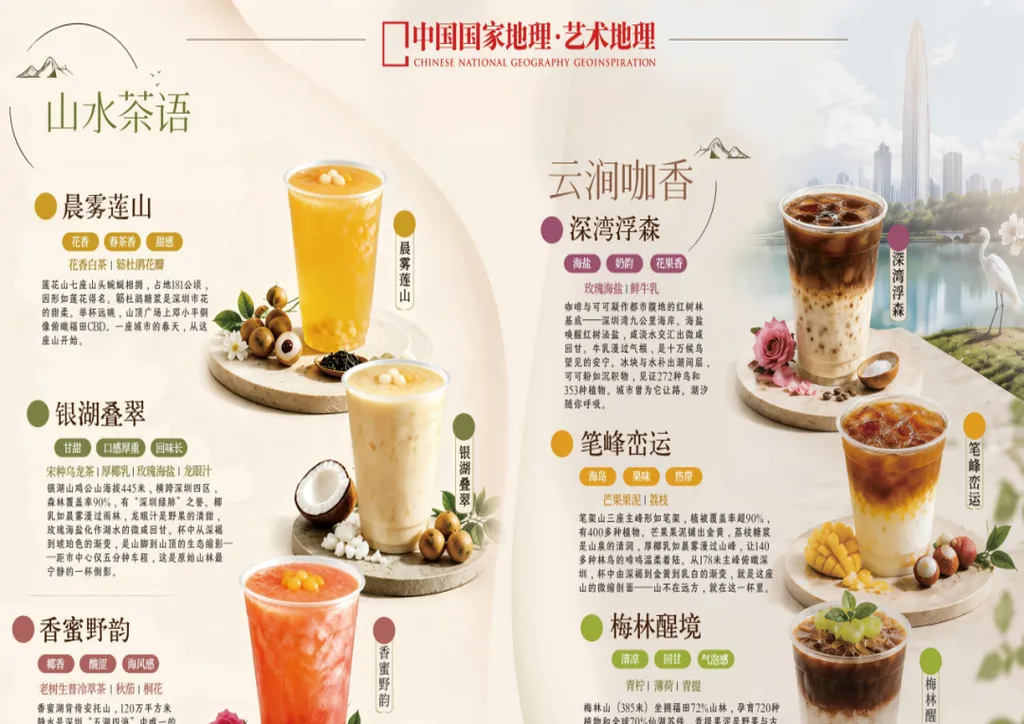
Geografie zum Genießen: Wenn Chinas Landschaften als Tee und Kaffee im Glas landen
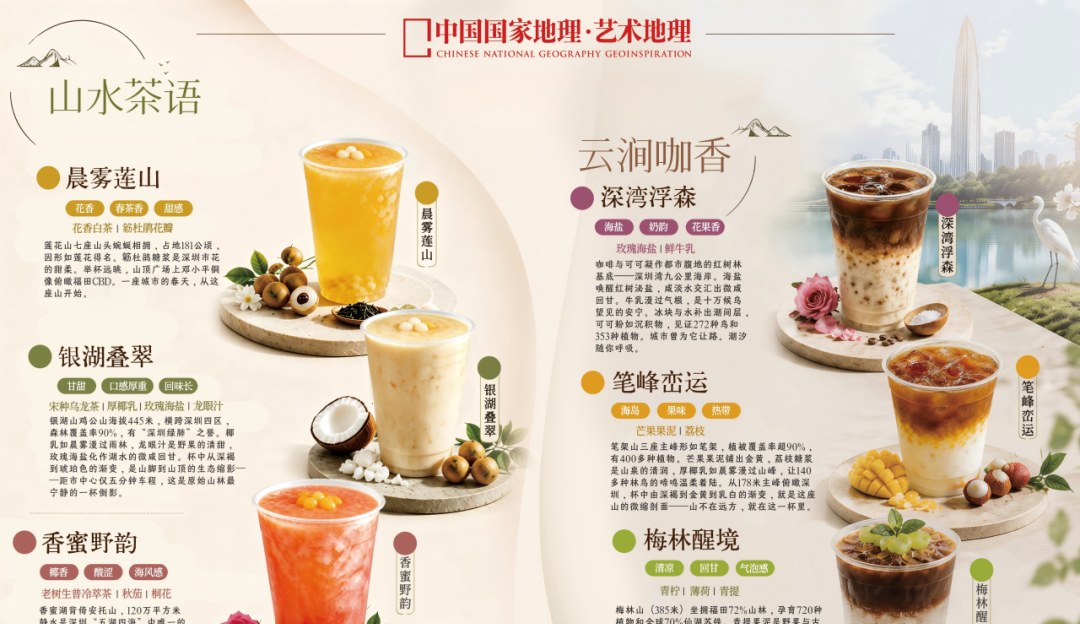
Geographieunterricht für die Geschmacksknospen | Wie lässt der „Berg-und-Fluss-Genuss-Mikroraum“ Berge und Flüsse schmecken?
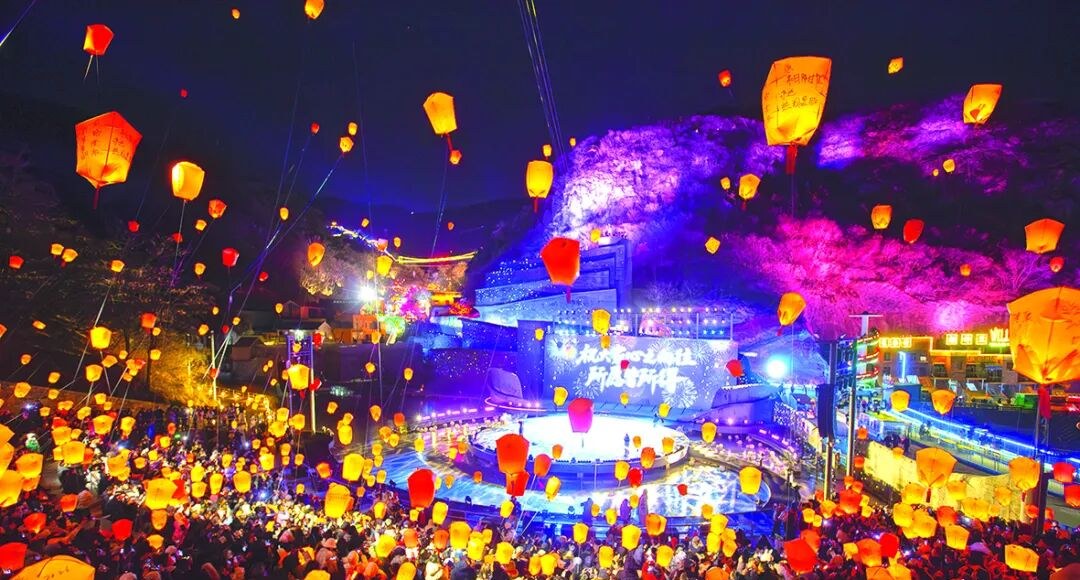
Achtseitige Sonderbeilage der China Tourism News! Wenn die Schätze Shandongs zu einer langen Rolle der Qi- und Lu-Kultur werden
Category navigation
Jump to the article’s category or explore nearby topics.
Die "scharfe" Welt des chinesischen Tees
Jump to the more recent article in this topic series.
Nach 2 Jahren: Das Mandarin Oriental ist zurück! Direkter Zugang zum Luxus-Shoppingcenter, erste Aktion nach der Neueröffnung!
Continue to the previous article in this series.
Related stories
More articles from the same category and nearby topics.