Tradition Revitalization, Design Transformation, Eastern Paradigm — Opening of the Exhibition of Activation Achievements of Chinese Traditional Festival Design
Read, share, and explore related stories through curated categories and tags.

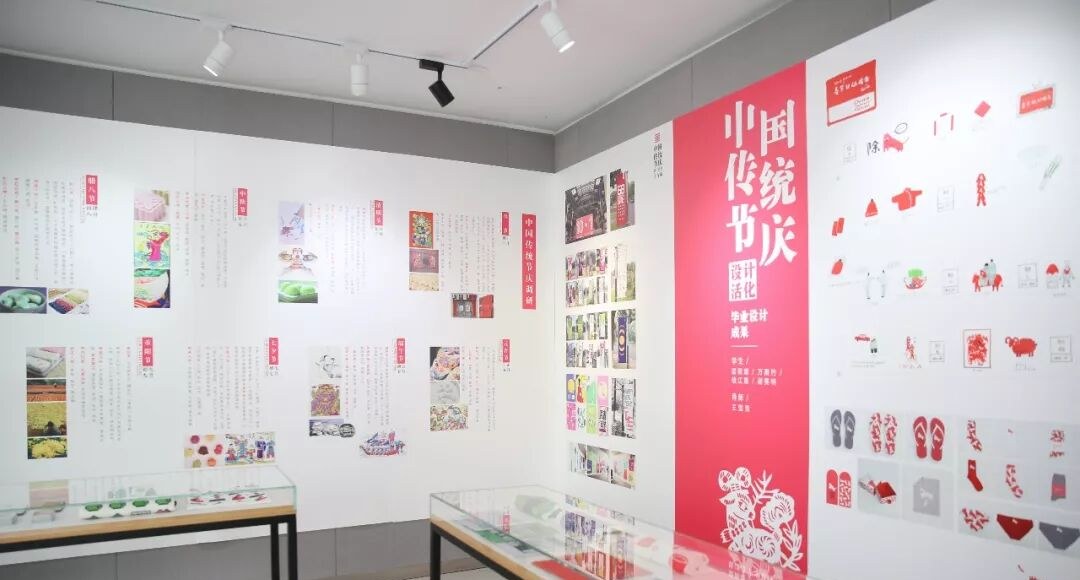
On the afternoon of September 25, 2018, the “Traditional Chinese Festival Design Revitalization Workshop Achievement Exhibition” opened at the South Campus of the China Academy of Art. The exhibition used a unique visual language to “redesign” the visual symbols of traditional festivals such as the Spring Festival, Lantern Festival, Qingming Festival, Dragon Boat Festival, Mid-Autumn Festival, and Double Ninth Festival, blending them with contemporary characteristics to give them new images and meanings. While appreciating these design works, the audience can grasp the cultural essence behind the visual symbols, understand and feel the origins and significance of traditional festivals, connect with the serene and balanced mindset of the ancients, and enhance their cultural confidence and awareness of heritage preservation.
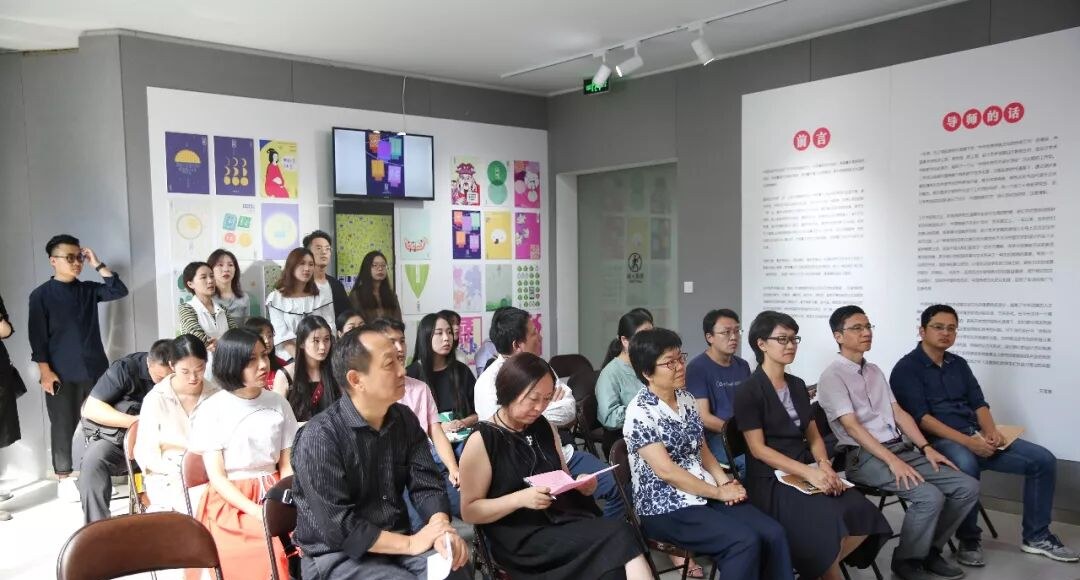
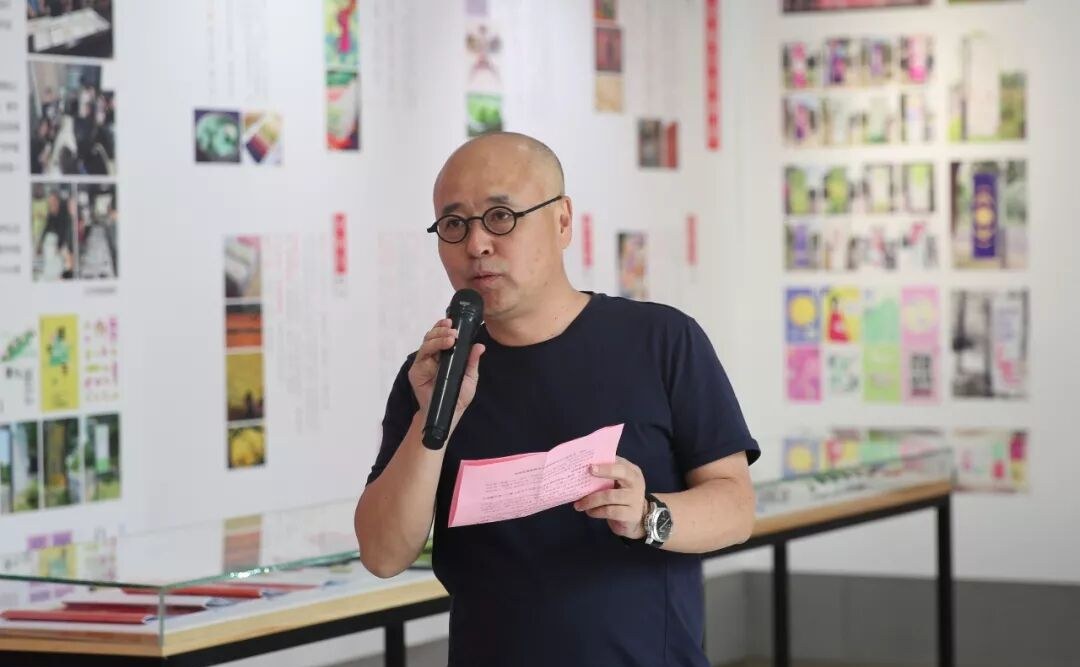
Qian Xiaofang, Party Secretary of the China Academy of Art, attended the opening ceremony and delivered a speech. Fu Qiaoling, a member of the Party Committee and head of the Propaganda Department, along with leaders from the Student Affairs Department, Graduate Affairs Department, Department of Ideological and Political Social Sciences, School of Design and Art, and the Art Museum, also attended the ceremony. The opening ceremony was hosted by Bi Xuefeng, Vice Dean of the School of Design and Art.
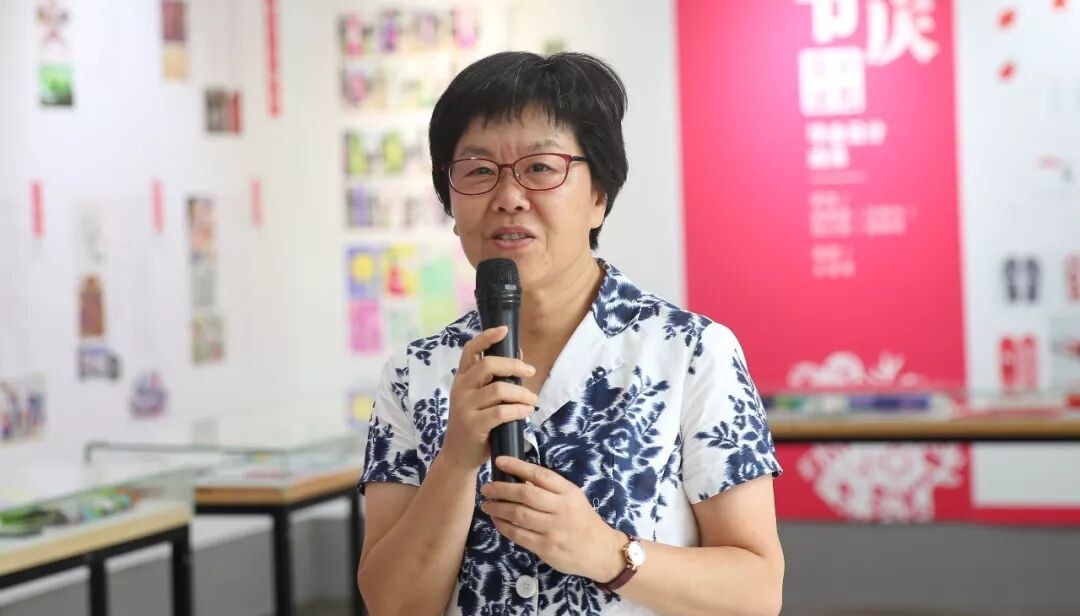
Speech by Qian Xiaofang, Party Secretary of China Academy of Art
“Although the ‘Exhibition of Achievements from the Traditional Chinese Festival Design Revitalization Workshop’ is held to celebrate our own Chinese festivals, it is small in scale but significant in meaning. Its outcomes have already played a role and made an impact on the campus culture of our academy. In the future, these achievements should be promoted on a larger scale,” said Secretary Qian Xiaofang. Traditional Chinese festivals carry immense power, but how to keep them alive in the present and point them toward the future has always been an important proposition for contemporary artists and scholars at the China Academy of Art.
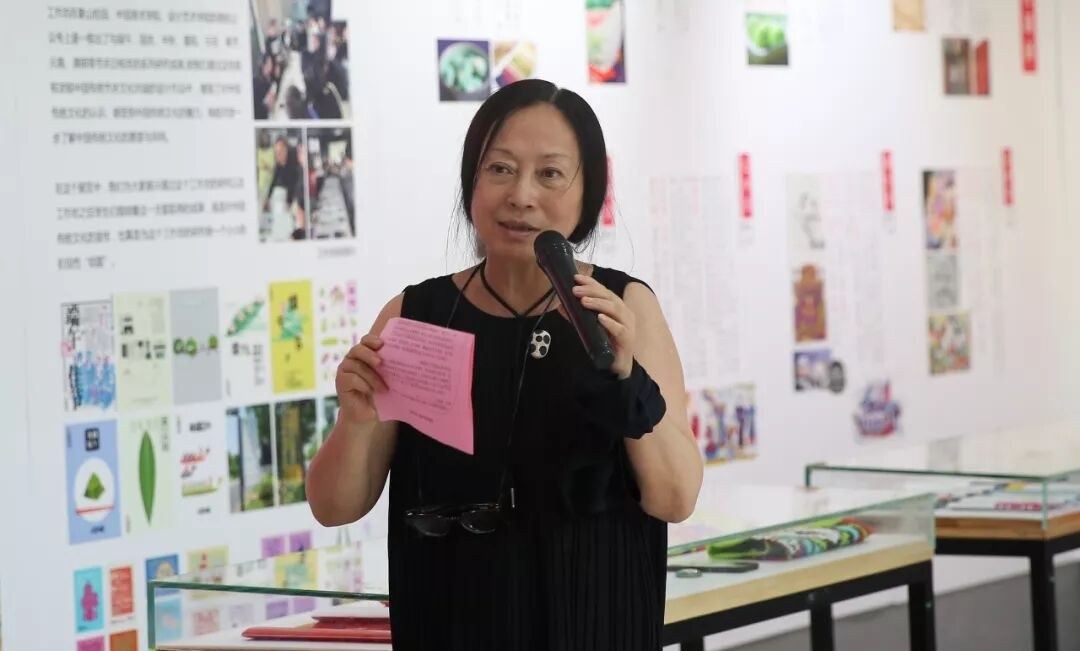
Speech by Wu Haiyan, Dean of the School of Design at the China Academy of Art
Wu Haiyan, Dean of the School of Design, drawing on the recent establishment of the Oriental Design Research Institute at the China Academy of Art, believes that this exhibition precisely responds to today’s new outlook on design and life. She proposed the 12-character phrase “Revitalizing traditions, transforming design, Eastern paradigm” as an active response to national demands while reflecting on herself. “This is the unique role of cultural DNA. This exhibition is an excellent response to and showcase of the teaching, research, and creative concepts of the School of Design in recent years.”
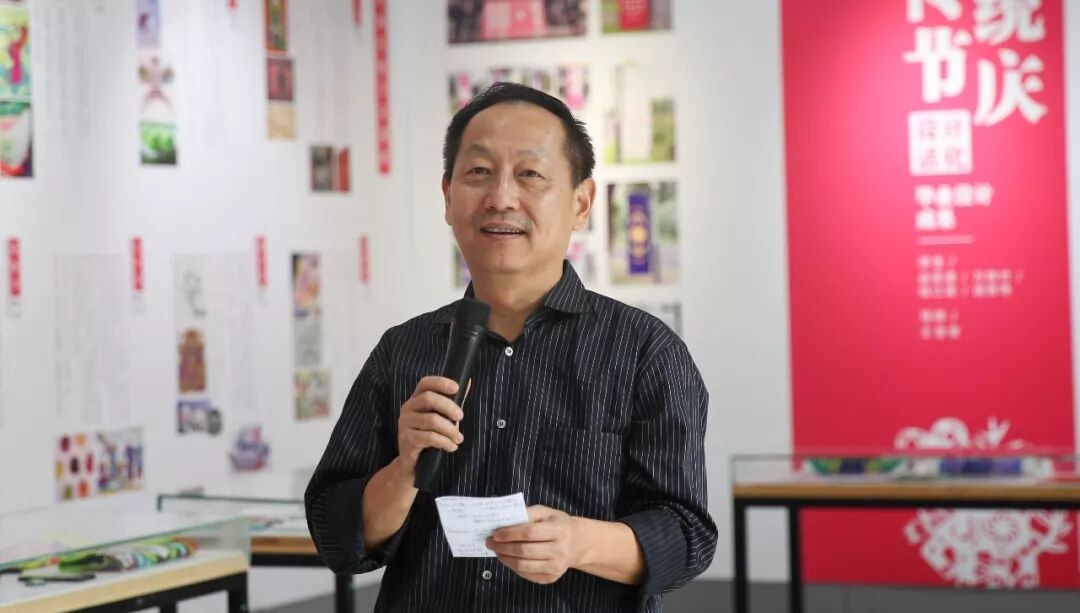
Professor Wang Xueqing from the School of Design at the China Academy of Art delivered a speech, introducing the origins and development of the workshop. He recalled, “As the mentors of this workshop, Teacher Huang Siwen and I, together with a team of over thirty graduate students and visiting scholars, have conducted research on revitalizing Chinese traditional festival design. Over the past year, the works produced by the workshop have offered us new perspectives and fresh insights into understanding and inheriting Chinese traditional festivals. Moreover, they have brought a vibrant atmosphere to the campus environment and culture. Unconsciously, this activity has effectively promoted and enhanced our national pride, strengthened our cultural confidence, and deepened our understanding of Chinese traditional festivals and culture.”
The opening ceremony was hosted by Bi Xuefeng, Vice Dean of the School of Design and Art at the China Academy of Art.
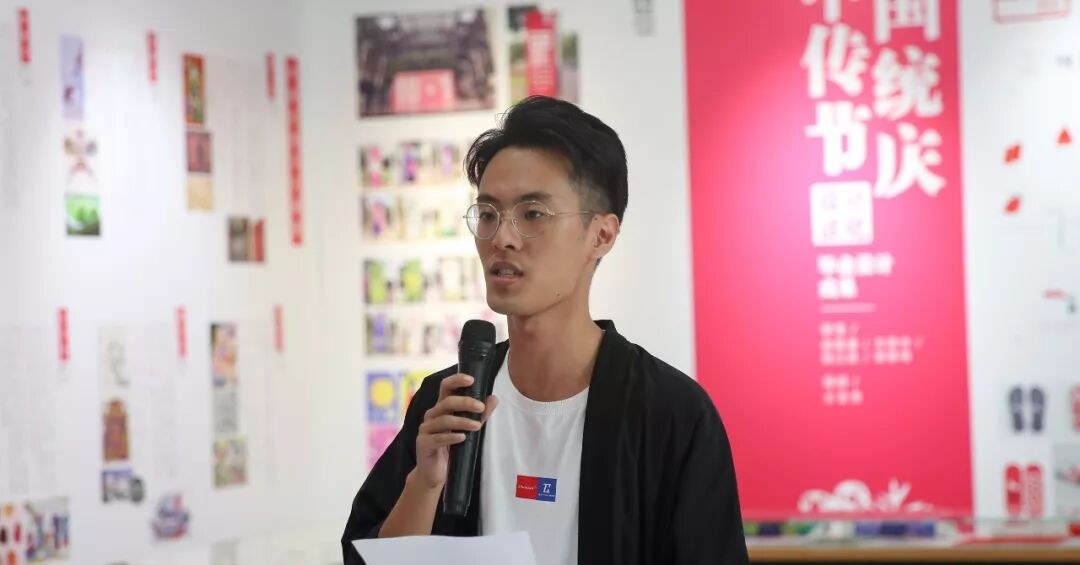
Speech by Curator Representative Xie Saite from the School of Design Art
A year ago, in response to the call for “preserving and promoting China’s fine traditional culture” in the new era, the Student Affairs Department, Publicity Department, Graduate Affairs Department, and School of Design Art of the China Academy of Art jointly organized a workshop themed “Revitalizing Traditional Chinese Festivals through Design,” hosted by the Graduate Student Union of the School of Design Art. Focusing on traditional and distinctive Chinese festivals, the workshop aimed to reinterpret their characteristics and essence in the context of the new era through design, striving to find a fusion between traditional, unique culture and contemporary design.
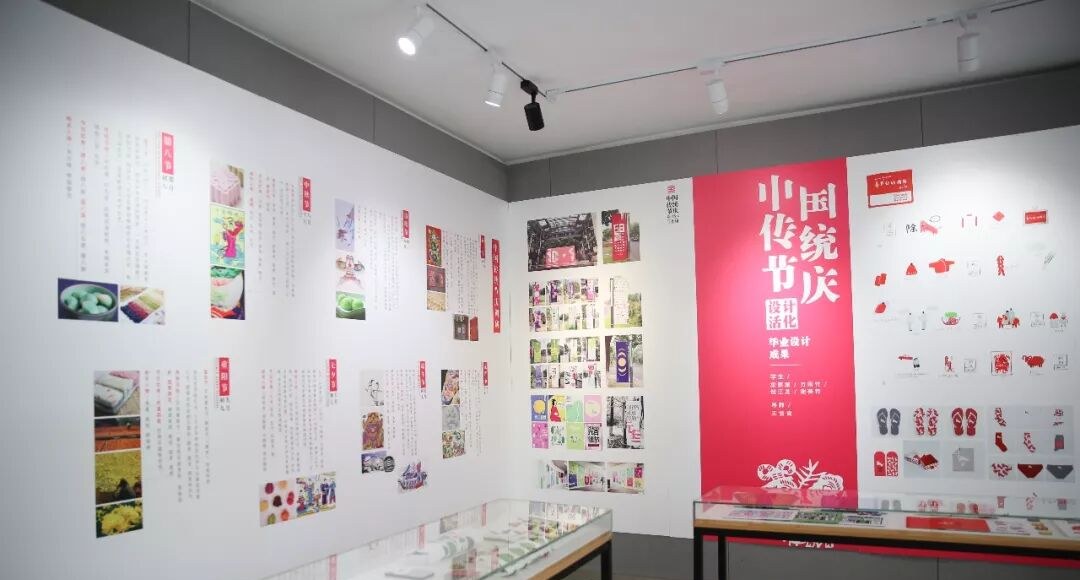
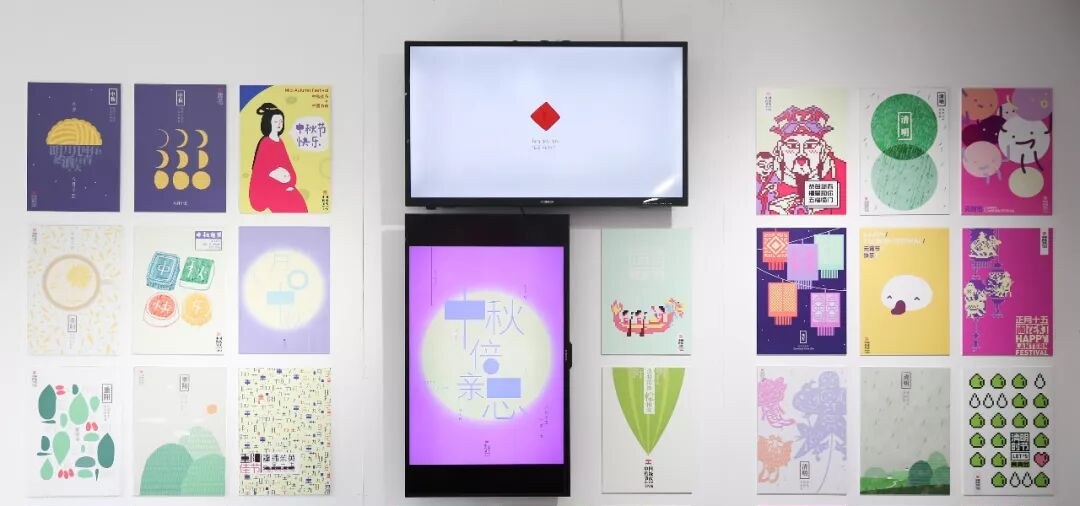
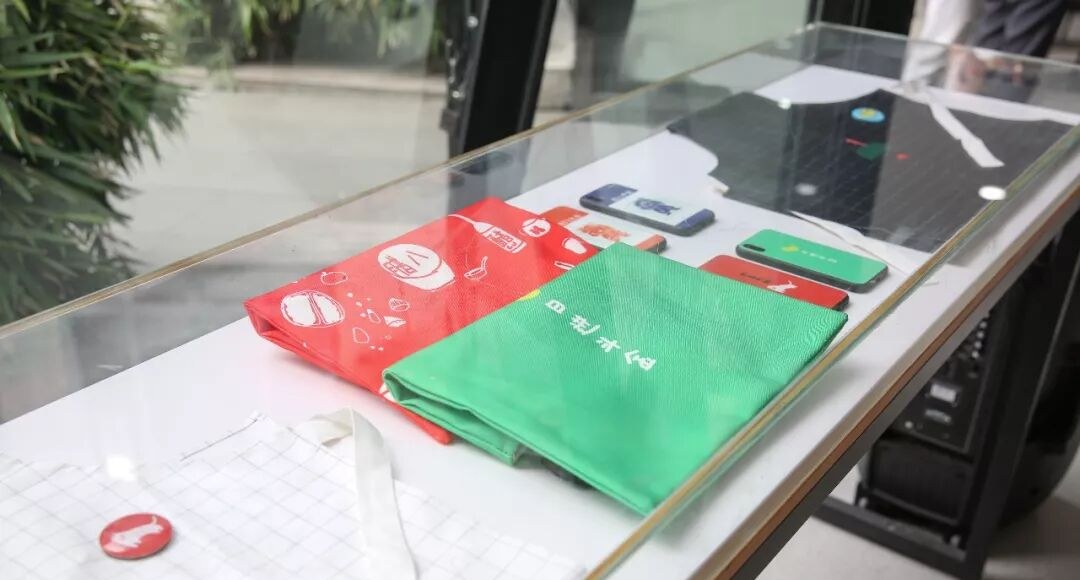
Exhibition Scene of the Traditional Chinese Festival Design Revitalization Workshop
“Traditional Chinese Festivals” are a vital part of the life and culture of the Chinese nation, embodying its humanistic spirit and cultural memory, and featuring rich folk customs and festive forms. In today’s increasingly diverse, open, and globalized context of spiritual and cultural life, how can China’s traditional festival culture be passed down? This is a question worth pondering. The issue of “tradition and revitalization” in contemporary design is a theme that today’s designers cannot avoid. How can we transform the traditional elements, symbols, colors, festival memories and connotations, rituals, and forms through design revitalization to better integrate them into today’s fashionable life? How can these traditional festivals continue and naturally thrive in today’s world, living on in people’s hearts and modern lifestyles? These are the questions the students have posed to themselves, as well as the goals they strive to achieve.
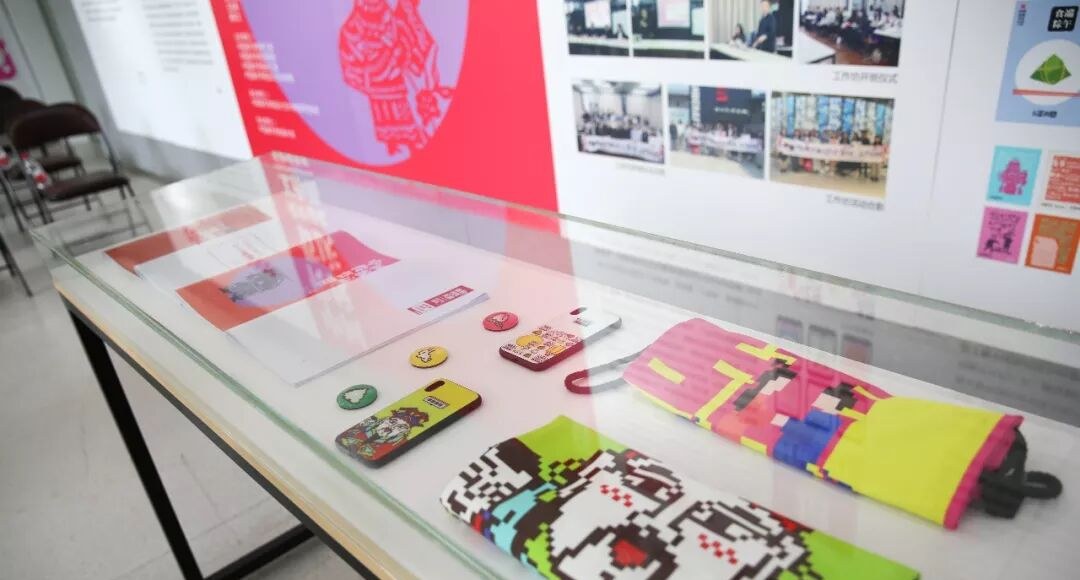
The “Revitalizing Chinese Traditional Festival Design” workshop officially started on April 6, 2017. It brought together 37 participants recruited from across the university, including graduate students and visiting scholars from various majors. Under the guidance of Professor Wang Xueqing and Teacher Huang Siwen, they used modern design language to conduct thematic research and design revitalization of Chinese traditional festivals. The workshop was held in the form of regular focused study, observation, and critique sessions. Taking Chinese traditional and unique festivals as themes, the participants aimed to reinterpret the festive atmosphere by designing graphics and texts based on related elements of traditional festivals in the context of the new era. Through thematic research and revitalized expression of Chinese unique festivals, they sought to enhance the cultural depth and emotional resonance of contemporary design, striving to find the connection between traditional, unique culture and modern design.This exhibition showcases the outcomes of both the workshop research and the students’ follow-up work on the theme, serving as a promotion of traditional Chinese culture and a small milestone “conclusion” for the workshop’s research.
********** Editor **********|Liao Yuan
********** Reviewer **********|Ding Jianfeng
Tag navigation
Explore articles that share the same tag and jump to tag pages.

Leipziger Kunstsaison in Shanghai: Wöchentliche Highlights
Geographieunterricht für die Geschmacksknospen | Wie lässt der „Berg-und-Fluss-Genuss-Mikroraum“ Berge und Flüsse schmecken?
Achtseitige Sonderbeilage der China Tourism News! Wenn die Schätze Shandongs zu einer langen Rolle der Qi- und Lu-Kultur werden
Category navigation
Jump to the article’s category or explore nearby topics.
Ein von einem Ausländer geschriebenes Buch über chinesische Küche ist im Internet viral gegangen!
Jump to the more recent article in this topic series.
Immaterielles Kulturerbe Handwerk, eine Linie des kulturellen Geistes|Die Erlebnisklassenreihe zur traditionellen chinesischen Handwerkskunst kommt!
Continue to the previous article in this series.
Related stories
More articles from the same category and nearby topics.