Opening a New Era of China's Ice and Snow Tourism Development - Analysis of Ice and Snow Tourism Development Trends
Read, share, and explore related stories through curated categories and tags.

When night falls, the world of Harbin Ice and Snow World in Heilongjiang comes alive. Hand-carved ice sculptures of various shapes, illuminated by colorful lights, create a surreal, dreamlike wonderland. During this year’s Spring Festival holiday, Harbin Ice and Snow World received 249,700 visitors, a year-on-year increase of 47.75%, and generated 67.54 million yuan in revenue, up 54.03% year-on-year.
In recent years, following the successful bid for the 2022 Winter Olympics, China’s ice and snow tourism has faced unprecedented development opportunities. From Ningxia, Shaanxi, and Gansu to Hubei and Sichuan, scenic spots with suitable conditions have been building ski slopes and carving ice sculptures to develop ice and snow tourism. Official data shows that 30 provinces and cities have launched ice and snow products, and the ice and snow economy is playing an increasingly important role in regional development. Each region is making the most of its local characteristics, amplifying its strengths, and highlighting its features, leading to a booming ice and snow tourism scene.
(1) The surge in ice and snow tourism and the trend of building distinctive brands
In recent years, ice and snow tourism has been booming and has become a new driving force for the tourism industry and regional economic development. Since 2013, the number of visitors and revenue from ice and snow tourism have been rising year by year. The transformation of “cold resources” into “hot economy” is sweeping the country, especially in regions rich in ice and snow resources, such as Northeast China, where the ice and snow economy has been elevated to a strategic level, and ice and snow tourism is seen as a strategic pillar industry driving the revitalization of the Northeast economy.
Earlier this year, the China Ice and Snow Tourism Promotion Alliance, together with the People’s Daily Online Public Opinion Monitoring Room, released the “2016 China Ice and Snow Tourism Competitiveness Big Data Report” at the 33rd China • Harbin International Ice and Snow Festival and the Second China Ice and Snow Tourism Summit. The report shows that provinces such as Heilongjiang and Jilin have issued special documents for deployment, making scientific plans for the ice and snow economy, including ice and snow tourism. The results have already begun to show: Harbin’s ice and snow tourism industry accounts for half of the city’s tourism industry; Inner Mongolia’s winter tourism revenue has grown by more than 30%; and Jilin Province’s comprehensive income from ice and snow tourism now accounts for one-third of its annual comprehensive tourism income.

Aside from the Northeast, areas such as Inner Mongolia, the Northwest, and the Beijing-Tianjin-Hebei region are also key regions for winter ice and snow tourism in China. Each region leverages its local resources to develop distinct offerings, addressing the issue of homogenization in ice and snow tourism and gradually forming regional specialized and differentiated features.
Among them, the Northeast region has comprehensive development, covering ice and snow natural landscapes, ice and snow sports, hot springs, and other tourism projects. As an area with abundant ice and snow resources and a longer development history, the natural wonders and cultural landscapes of the Northeast remain the focus of attention. In the Northwest, represented by Urumqi, policies and cultural connotations such as the Silk Road and the Belt and Road Initiative have become important driving forces for ice and snow tourism development. Inner Mongolia focuses on ethnic customs, with terms like “ice and snow Nadam” and “camels” reflecting netizens’ affection for folk products. The Beijing-Tianjin-Hebei region, primarily Beijing and Hebei, co-hosted the Winter Olympics with Zhangjiakou, embedding concepts like sports and health deeply into people’s minds.
At the same time, major ice and snow tourism provinces (regions and cities) are actively shaping unique brand identities based on their local characteristics. For example, Heilongjiang’s “Crown of Ice and Snow” brand is gaining increasing influence and competitiveness; Liaoning’s ice and snow, hot springs, and New Year flavor brands strongly attract ice and snow tourists; Beijing’s “Joyful Ice and Snow,” Hebei’s “Health and Sports,” and Inner Mongolia’s “Ice and Snow Sky Road” are also highly popular.
(2) Industry integration continues to gain momentum, and the “Ice and Snow+” industry chain is constantly improving
Currently, the development of ice and snow tourism is no longer limited to sightseeing. To strengthen economic driving effects, the “Ice and Snow+” strategy, integrating multiple industries, is becoming a new trend in ice and snow tourism development across regions. China’s ice and snow tourism development is entering a stage emphasizing creativity, content, and experience. Development models such as ice and snow + vacation, ice and snow + culture, and ice and snow + sports are receiving widespread attention, and the ice and snow tourism industry chain is gradually extending.
Heilongjiang has proposed promoting the expansion, upgrading, and integrated development of multiple industries including ice and snow tourism, ice and snow culture, ice and snow sports, ice and snow education, and ice and snow equipment manufacturing. Jilin has proposed focusing on building an ice and snow tourism product system that includes ice and snow leisure vacations, ice and snow hot spring wellness, ice and snow sightseeing experiences, and ice and snow folk customs and historical sites. The Beijing-Tianjin-Hebei region, leveraging the Winter Olympics platform, is building ice and snow sports and leisure bases, fully integrating ice and snow tourism with sports projects.
It is understood that the current “Ice and Snow+” strategy mainly focuses on sightseeing experiences, vacation leisure, folk culture, sports, and hot spring wellness. Among these, ice and snow tourism projects related to sports and hot spring wellness are relatively well-developed. Folk culture is a key development direction for various regions, but its proportion in the ice and snow tourism industry chain remains relatively small.
Heilongjiang, relying on its unique geographical location, has formed natural and cultural landscapes centered on ice and snow resources. In the winter of 2016, Heilongjiang launched winter tourism routes such as “Great Beauty Snow Town,” “Crane Dance Snow Plain,” “Ice and Snow Forest,” “Mysterious Ice Lake,” and “North Pole Christmas.” Key attractions include the ice and snow art and leisure sports resources of Harbin, Yabuli, and Snow Town; the hot springs of Daqing; the crane culture and hot springs of Qiqihar; the Jingpo Lake winter fishing festival, Shaman culture, and the historical culture of Hengdaohezi; the ice and snow forest rime in the central and northern Lesser Khingan Mountains; and the extreme cold features and Christmas culture of China’s Arctic region, highlighting the characteristics and advantages of Heilongjiang’s winter tourism.

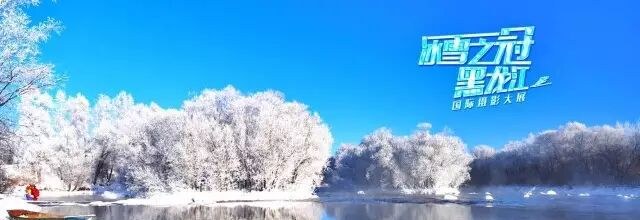
A relevant official from the Heilongjiang Provincial Tourism Development Commission stated that the era of explosive growth in ice and snow tourism is just around the corner. As the top province in China for ice and snow resources, ice and snow sports, and ice and snow tourism brands, Heilongjiang will further tap into its accumulated advantages in this area, transforming its ice and snow tourism resources into high-quality tourism products to meet the diverse and multi-level needs of tourists.
(3) Regional coordination is clearly accelerating, working together to expand the ice and snow tourism pie
To avoid homogeneous competition and promote the growth and strength of the ice and snow tourism industry, major ice and snow tourism provinces across the country have broken through administrative boundaries, continuously strengthening cooperation in ice and snow tourism to form a regional coordinated development pattern.
At the end of 2015, under the guidance of the National Tourism Administration, the Heilongjiang Provincial Tourism Development Commission initiated the first China (International) Ice and Snow Tourism Summit and promoted the establishment of the China Ice and Snow Tourism Promotion Alliance. In December 2016, the China Ice and Snow Tourism Promotion Alliance was officially established, marking China’s first ice and snow tourism marketing consortium initiated by provincial tourism administrative bodies. Its current official members include tourism bureaus (commissions) from Heilongjiang, Beijing, Jilin, Liaoning, Hebei, Inner Mongolia, and Xinjiang. Commissioned by the National Tourism Administration, the alliance is responsible for developing the “Northern Ice and Snow” tourism brand and boutique routes, one of China’s top ten international tourism brands, representing China’s ice and snow tourism on the global stage.
The relevant official stated that the alliance is committed to strengthening collaborative development of the ice and snow tourism market, sharing development experiences, cultivating customer groups, promoting the transformation and upgrading of China’s ice and snow tourism industry, and fostering the sustainable development of China’s winter tourism market.
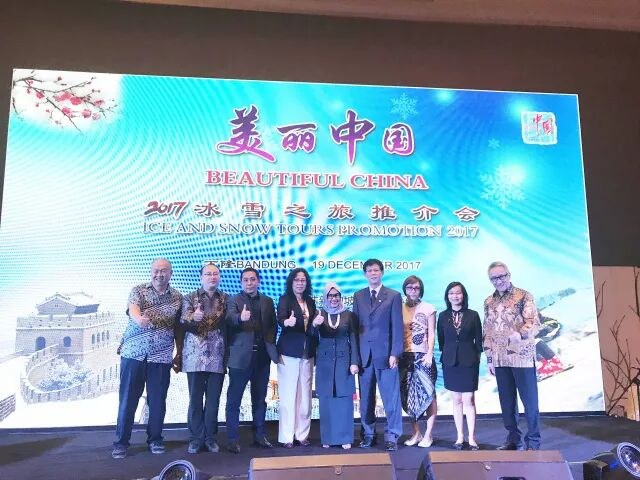
On January 5, 2017, during the second China (International) Ice and Snow Tourism Summit, member units of the promotion alliance jointly released the “Northern Ice and Snow” brand logo and launched five themed boutique ice and snow routes—focusing on ice and snow New Year festivities, ice and snow culture, dynamic excitement, ice and snow art, and leisure vacations—integrating local resources, covering top scenic spots, and catering to market demand.

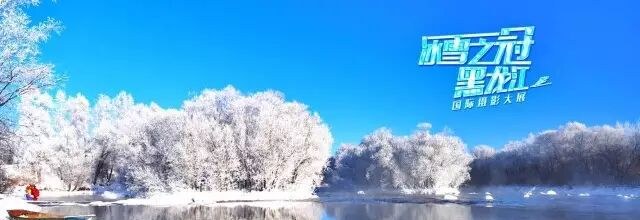
A relevant official from the Heilongjiang Provincial Tourism Development Commission stated that the era of explosive growth in ice and snow tourism is about to arrive. As the leading province in China for ice and snow resources, winter sports, and ice and snow tourism brands, Heilongjiang will further unleash its accumulated advantages in this area, transforming its ice and snow tourism resources into high-quality tourism products to meet the diverse and multi-level demands of tourists.
Tag navigation
Explore articles that share the same tag and jump to tag pages.
Eine neue Ära des chinesischen Wintertourismus eröffnen – Analyse der Entwicklungstrends des Wintertourismus

Bericht zur Entwicklung des chinesischen Eis- und Schneetourismus 2020
Das inländische Eis- und Schneetourismus boomt, wohin kann man reisen?
Category navigation
Jump to the article’s category or explore nearby topics.
Ganz China: Welche Stadt vereint die natürliche Landschaft und die menschliche Geschichte am besten?
Jump to the more recent article in this topic series.
Mai-Windrose: Entdecke die N Arten, diesen Monat zu erleben
Continue to the previous article in this series.
Related stories
More articles from the same category and nearby topics.