Disgusting Chinese Food
Read, share, and explore related stories through curated categories and tags.
Click the blue text above to follow “China National Geographic”
This article has a magical effect
It might make you feel uncomfortable
Or it could bring extreme comfort to foodies
“I don’t like eating XX”
When foodies hear this line
Their first reaction is
“What?! XX is super delicious!”
People who love all kinds of food really can’t understand
Why would anyone dislike a certain “delicacy”
China’s land of abundant resources
Gives birth to a vast array of Chinese cuisine
On the ever-changing Chinese dining table
You might find the richest variety of ingredients in the world
But not every delicacy wins everyone’s love
Many foods are controversial
Those who love them, love them completely
Those who hate them, hate them decisively
Vegetables with strange flavors
One type of vegetable is a childhood shadow and a bowl nightmare for many
Just seeing the name feels suffocating
But… some people can’t stop praising these vegetables
▼
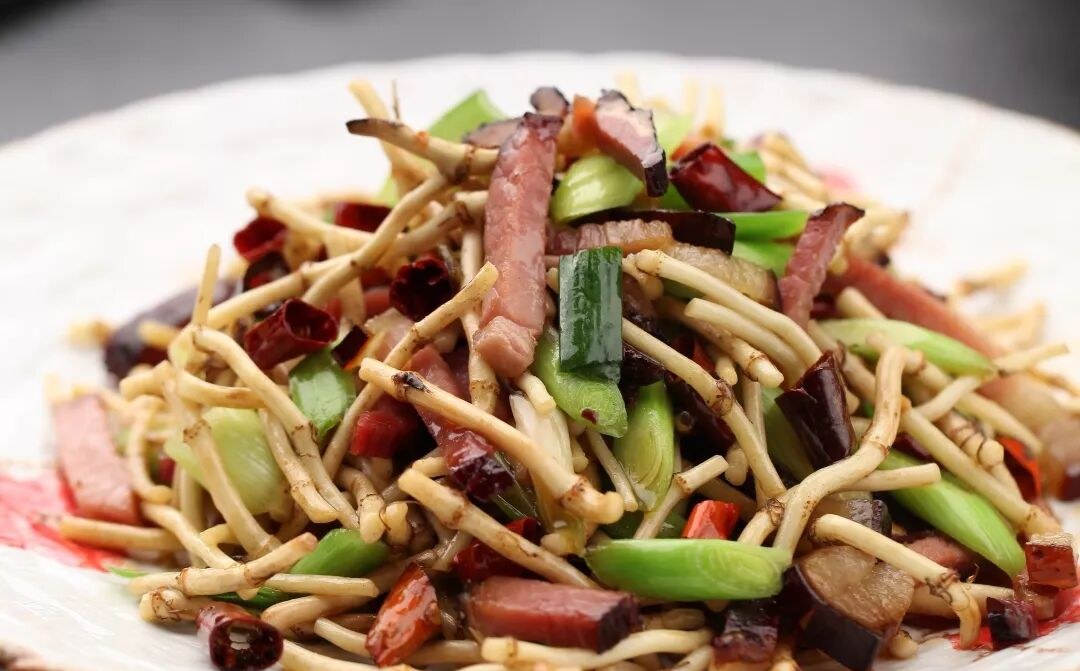
Houttuynia cordata (Fish Mint)
Controversy Index: ★★★★★
Houttuynia cordata, also known as cordata or common lizardtail, is called “zhe’er gen” in southwestern China. It is distributed across the southwest, central, and eastern regions of China, growing in mountain forests, rock faces, ditches, slopes, and roadsides. It also grows in Japan, where there is a tradition of making tea from it, and in some areas, its leaves are fried for eating. The plant even appears in Japanese anime—the flowers with four pure white petals beside the tree hollow in My Neighbor Totoro are actually houttuynia cordata flowers.Don’t ask, if you ask, the answer is I just don’t like it.
I’m from the north, and I really can’t stand the strange smell of houttuynia! I accidentally tried it while traveling in Sichuan, and the taste is unforgettable—way too fishy, never want to experience it again!
Every food deserves love.
Oh my god! Why don’t you like houttuynia? This pale and pretty herb, eaten raw, is a refreshing summer cold dish—tender, crunchy, with a slight sweetness, and it can also cool you down and beat the heat. Stir-fried, in soup, or in hot pot… cooked houttuynia is soft and creamy, with absolutely no “fishy” taste at all.
Cilantro
Controversy Index: ★★★★★
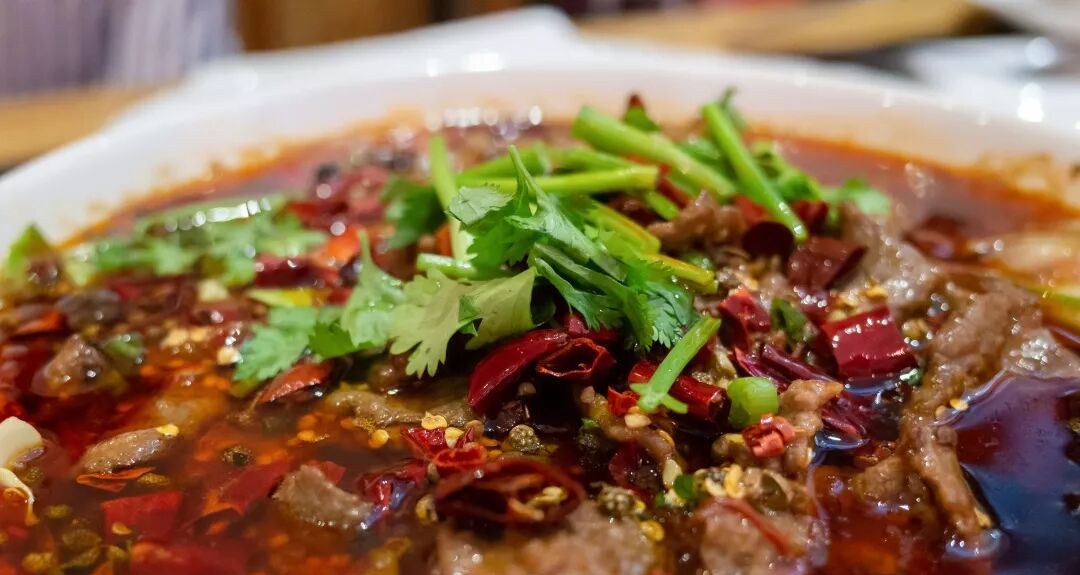
A food delivery platform once reported that the most common request on orders was “no cilantro.” Formally known as “coriander” and also called Chinese parsley, cilantro originated along the Mediterranean coast and in Central Asia. Legend has it that during the Western Han Dynasty, Zhang Qian traveled to the Western Regions, where he saw local herders adding cilantro to meat soup, filling the air with a fragrant aroma. He then exchanged seeds and planting methods with the herders, leading to cilantro being widely grown across China.Don’t ask—if you do, the answer is just that I don’t like it.
It’s in my genes—I can’t stand the taste of cilantro. To me, it should be called “stink leaf.” That smell? It’s like gasoline, mixed with soap, and a bit of stink bug… Ugh.
But every food deserves to be loved.
Cilantro is amazing! I pile it on everything—jianbing, hotpot dipping sauce, grilled cold noodles, spicy malatang… it’s irreplaceable. Stir-fried pork or tripe with cilantro? So good! And cilantro with beef? Absolutely perfect.
Fennel
Controversy Index: ★★★
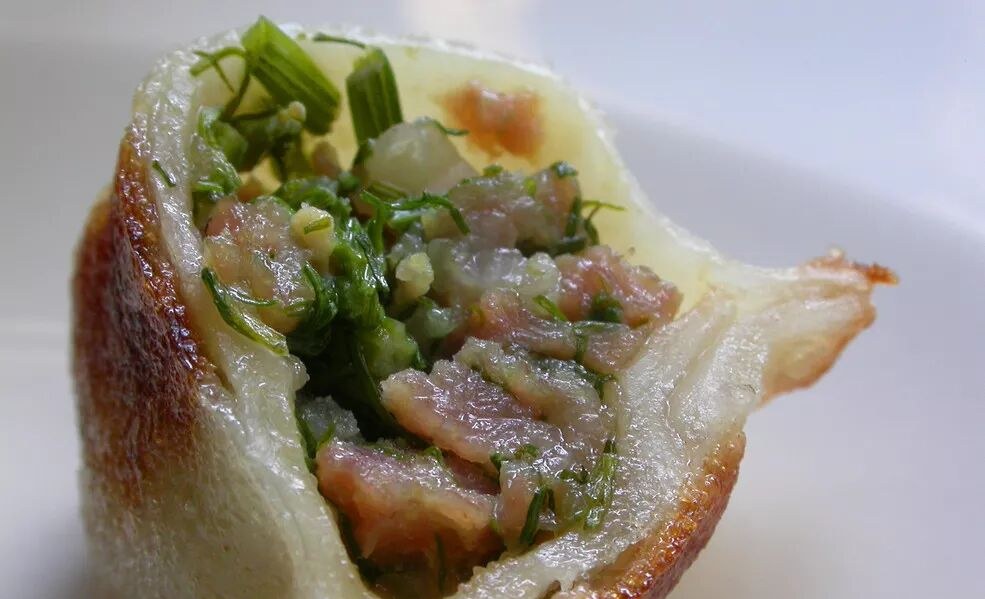
The fennel mentioned here is the one used in northern China for making buns and dumplings, scientifically known as Foeniculum Vulgare, a plant in the Apiaceae family. It is not the same as the “star anise” used in southern China for “fennel-flavored beans.” Fennel originated in the Mediterranean region and is now widely cultivated across China.Don’t ask, because if you do, I just don’t like it.
Me, who can’t stand fennel, feels like an outcast in the north… but seriously, the smell of fennel is just as awful as cilantro’s ╥﹏╥
All food deserves to be loved.
Fennel has a refreshing scent with a hint of sweetness, and it pairs perfectly with meat. Whether it’s the leaves or the bulb, it’s delicious! Biting into a fennel-filled dumpling really gives you that “homecoming” feeling, and all your worries melt away.
Garlic
Controversy Index: ★★
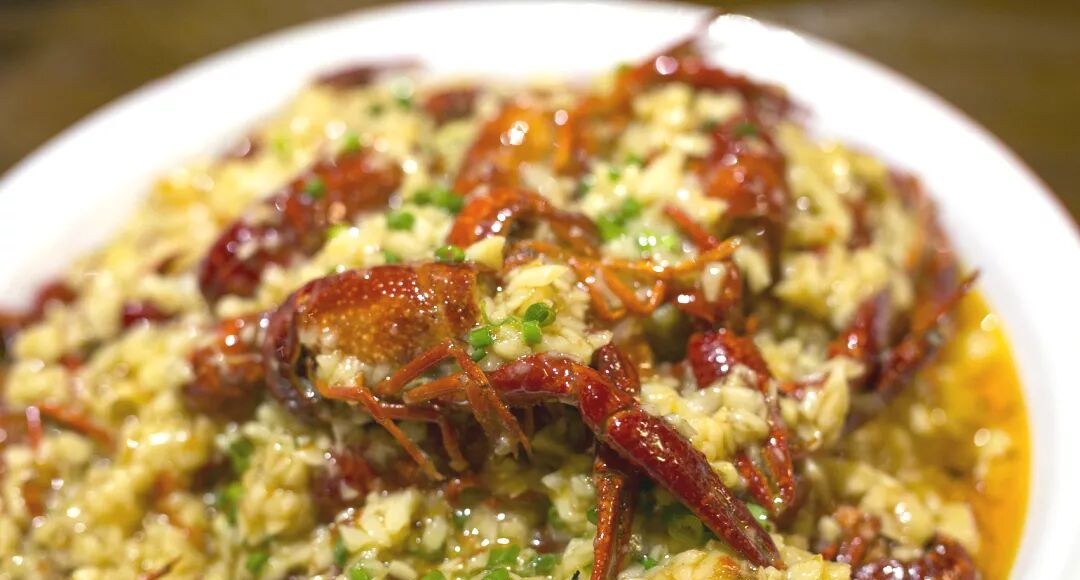
Garlic is the underground bulb of a plant in the lily family, genus Allium. The entire plant has a strong, pungent garlicky smell. The bulb, leaves (green garlic or garlic sprouts), and flower stalks (garlic scapes) can all be eaten as vegetables. Garlic is not only used as a seasoning but also as a medicine, making it a well-known plant for both food and medicinal purposes.Don’t ask, if you ask, it’s just I don’t like it.
Garlic’s flavor is way too strong. Every time I eat it, my stomach feels off, and my breath stinks. I’m too embarrassed to even speak. I just don’t like it.
All food deserves to be loved.
Confucius said, “Eat meat without garlic, and the taste is half lost.” Eating noodles or skewers is only flavorful with garlic! Roast a whole clove of garlic—it’s fragrant and soft, incredibly delicious! When you eat hand-grabbed lamb, take a bite of lamb and a bite of garlic… ah, life is worth it.
Leeks
Controversy Index: ★★★
Leeks are members of the lily family, genus Allium, related to garlic, and have a pungent flavor. Spring leeks are tender and fresh, but “summer leeks stink to high heaven”—in summer, the leaves become thicker and the fibers coarser, making the taste much worse. Besides leek leaves, leek flowers are also edible. Northerners often chop up leek scapes and flowers, pickle them, and turn them into “leek flower sauce” as a dip or seasoning, while southerners mostly stir-fry leek scapes or use them in cold dishes.Don’t ask, ask and the answer is I just don’t like it.
Eating chives in public is basically a biological weapon—I’d literally throw up on them on the spot.
All food deserves to be loved.
“In the night rain, cut spring chives; cooking fresh millet with yellow rice”—the first harvest of chives in spring, known as “first-cut chives,” tops the list of “early spring four delicacies.” Spicy yet sweet, with a unique texture and a bold aroma, the tender chives are full of juice, carrying that fresh taste of spring.
Bitter Melon
Controversy Index: ★★★
In folklore, bitter melon is said to have a quality of “not passing its bitterness to others.” That is, no matter what dish it’s cooked with, it never transfers its bitter taste to the other ingredients. That’s why some call it “a vegetable with gentlemanly virtue and merit,” praising it as the “gentleman’s vegetable.” As a naturally grown bitter melon ages, its seeds turn red and become sweet.Don’t ask. If you do, the answer is just that I don’t like it.
Bitter… like medicine—nasty taste, ugly look. Why eat it as a dish?
All food deserves to be loved.
“Who would’ve thought we once hated bitter gourd, yet today we taste that wisdom and miss it more.” The older we get, the more we love bitter gourd.Extraordinary Meat Dishes
Apart from meat, many other parts of animals are also turned into delicacies. But these unconventional meat dishes aren’t for everyone. For every bit of bias, there’s just as much fondness—some find them disgusting, while others find them delicious.
▼Brains
Controversy Index: ★★★★★
Animal brains contain higher levels of calcium, phosphorus, and iron, but they also have extremely high cholesterol. In the southwestern region, brains can be cooked in spicy hot pot, or made into roasted brains, braised brains, and brain noodles—just like any other meat dish. Besides spicy preparations, southern areas also use pig brains in soups, typically stewed with gastrodia and Chinese yam.Don’t ask, because if you do, the answer is I just don’t like it.
It looks too gross and has a fishy smell—honestly, it’s like food that goes against nature.
All food deserves to be loved.
When I was a kid, every time we ate chicken, duck, or fish, the adults would give me the brains, saying it would make me smarter. So I got used to eating them. Now, there are specialty snacks with pig brains—roasted, boiled, or hot-pot style—and I love them all. They melt in your mouth, bursting with flavor, even more tender than the softest tofu, and they absorb all the seasonings. In short, they’re delicious.
Animal Organs
Controversy Index: ★★★★
Intestines, heart, lungs, tripe, liver, gizzard, kidneys… once known as “offal,” animal organs are now more expensive than meat due to high demand and limited supply. From local street snacks to the eight major cuisines, you can always spot organs—whether it’s stewed offal, quick-fried tripe, lamb offal soup, or braised intestines in brown sauce, each dish has its own fame.Don’t ask, if you do, the answer is just that I don’t like it.
Can this even be eaten?? I think it stinks! Every time I have Chongqing hotpot, ordering is a headache—most meat dishes are organs, and there’s nothing good to eat.
All food deserves to be loved.
The texture of organs is totally different from meat. Things like tripe and chicken gizzards have that crunchy, chewy bite that meat just can’t give you. And whether they’re deep-fried, braised, stewed, roasted, grilled, or boiled, different cooking methods bring totally different experiences.
Claws/Trotters
Controversy Index: ★★★
Animal feet are mostly skin and tendons, rich in collagen and lower in fat than fatty meat. They’re usually braised, marinated in soy sauce, grilled, or used in soups. The “Lüshi Chunqiu” (Spring and Autumn of Mr. Lü) records: “A good learner is like the King of Qi eating chicken—he must eat thousands of chicken feet before he’s satisfied.” The term “跖” (zhi) refers to the foot pad. So, over two thousand years ago, people already knew how to cook chicken feet, and they must have tasted pretty good.Don’t ask, if you do, the answer is I just don’t like it.
There’s barely any meat, and it’s a pain to chew. What’s there to eat? It’s messy and not classy. Plus, when I think about chickens, ducks, and pigs stepping on dirt and poop all day—too dirty, what if they even have foot fungus? Why bother eating it? And those toenails, just looking at them grosses me out.
All food deserves to be loved.
Chicken feet, duck feet, pig trotters—the skin on these paws or hooves is thick and rich, and the tendons inside are tender and tasty with a great chew. The whole gnawing-on-bones thing is addictive. Prprprpr~
Skin
Controversy Index:★★
Skin can not only be directly grilled, hot-potted, or boiled into soup, but also made into skin jelly—like pork skin jelly from pig skin or ejiao from donkey skin. The principle is that collagen forms a “sol” when heated for a long time, and when it cools down, a gel reaction occurs, turning into a jelly-like solid.Don’t ask, if you do, the answer is just that I don’t like eating it.
It’s too greasy, and there’s fur, a funky smell, and my throat naturally rejects it.
All foods deserve to be loved.
Crispy yet chewy grilled chicken skin, soft and sticky pork skin, crunchy roasted duck skin… each type of skin has a different texture—it’s pretty amazing, actually.
Silkworm Pupae, Bugs
Controversy Rating: ★★★★
Silkworm pupae have a long history in Chinese cuisine, usually from tussah silkworms, and can be stir-fried, deep-fried, or grilled. Besides silkworm pupae, there’s also Liaoning-style grilled moths, fried grasshoppers, stir-fried stink bugs, boiled soybean worms, and pond worms that can be pan-fried, used in egg dishes, or blanched… These foods are basically fat and protein, tasting like meat. Though many people dislike them, their prices are generally not low.Don’t ask, if you do, the answer is just not a fan.
Terrified of bugs, no way I could eat them… can’t even think about it…
All food deserves love.
It has a weird but addictive aroma~ If it’s not too greasy, I could snack on a whole bowl of it while watching TV.Dark-Style Delicacies
In the vast and resource-rich land of China, every region boasts its own specialty snacks. Some local snacks have gained popularity precisely because they are highly controversial. These famous eats are beloved by locals but are also seen as dark cuisine in the eyes of some outsiders.
▼Luosifen (Snail Noodle Soup)
Controversy Level: ★★★
The broth of Luosifen is made by simmering river snails, which is the soul of the dish, while the most controversial “stinky” smell comes from the pickled bamboo shoots. The most famous Luosifen comes from Liuzhou, “the largest industrial city in Guangxi.” However, Liuzhou Luosifen is not a traditional local delicacy but rather an industrial fast food that emerged in the 1980s. It is said to have originated at a night market near the Workers’ Cinema after movie screenings. After gaining popularity, it quickly spread to factories across the city, becoming the most beloved late-night snack among workers at the time.Don’t ask, if you do, the answer is I just don’t like it.
Stinky! The smell can be detected from ten meters away!
All food deserves to be loved.
The broth is rich and savory, the slurping of noodles is incredibly satisfying, and the double punch of the “stinky” smell and spiciness makes it irresistible. It smells pungent but tastes amazing~
Stinky Tofu
Controversy Index: ★★★★
Stinky tofu is different from fermented bean curd. It’s made by deep-frying tofu that has been fermented (though some say it’s just soaked in stinky brine, not fermented, while others claim it’s semi-fermented). It’s commonly found in places like Hunan, Hubei, and Jiangxi, but its origins, production methods, and flavors vary. For example, Changsha stinky tofu, also known as “deep-fried stinky dried tofu”—according to Changsha Food Chronicle—originated from the hometown of Zuo Wenxianggong, was introduced to Changsha from Xiangyin County, and later was perfected by Jiang Erdie, becoming a signature snack at Changsha’s Fire Palace.Don’t ask—if you do, the answer is just that I don’t like eating it.
Extremely stinky! Smells like a toilet.
Every food deserves to be loved.
Crispy on the outside, soft on the inside. Smells bad but tastes great~
Soybean Juice
Controversy Index: ★★★★★
Soybean juice has a stale taste, but it’s different from fermented bean curd’s “stale yet fresh” quality—it’s like it’s fermented but not quite. Still, Beijing locals are really into it, and they usually pair it with fried rings. Nowadays, there are two ways to make soybean juice: one is to ferment the leftover liquid from making mung bean vermicelli and sheet jelly, and the other is to wash and soak mung beans, grind them with water, and then ferment them directly. After grinding with water, the mung beans separate into three layers: the top layer is a paste used for vermicelli and sheets, the middle is the juice, and the bottom is the bean dregs. The fermented mung bean dregs, commonly called “messed tofu,” have a similar acceptance level to soybean juice, and mostly only Beijing locals are interested in them.Don’t ask—if you do, the answer is just that I don’t like it.
Looks harmless enough, but get closer and you can already smell that sour, stale stench.
All food deserves to be loved.
I’ve been drinking it since I was a kid—got used to it, don’t think it stinks. Pair douzhi with pickled veggie strips and crispy fried rings, and that mix of sour, salty, and spicy hits just right. So satisfying.
Sea Worm Jelly
Controversy Index: ★★★
Sea worm jelly is a traditional local snack originating from the coastal areas of Fujian. Legend has it that national hero Zheng Chenggong invented this amazing snack. The main ingredient is a type of worm. The traditional way of making sea worm jelly is to first wash the worms to remove sand from their surface, then squeeze out the internal organs. After rinsing them clean, the worms and water are placed in a pot in a certain ratio and boiled, with some soy sauce added, until the gelatin inside the worms is released. The mixture of worms and soup is then poured into small bowls to cool, naturally solidifying into a jelly.Don’t ask, if you ask, the answer is I just don’t like it.
Too fishy, super fishy… and there are these worms, one by one, oh my god, I just can’t.
All food deserves to be loved.
The worms used to make sea worm jelly have a crisp texture, delicious and fresh. Served with soy sauce, aged vinegar, minced garlic, and other seasonings, the slippery jelly and crunchy worms might look scary, but taste amazing~
Cow Bile Soup
Controversy Index: ★★★★★
Cow bile soup is an extreme delicacy for entertaining distinguished guests in Yunnan, Guizhou, Guangxi and other places. Its history can be traced back to the “Sheng Ji” of the Tang and Song dynasties. The green liquid is squeezed from the grass that hasn’t been fully digested in the cow’s stomach—essentially the cow’s last big meal before slaughter. Since cows eat a hundred herbs, it’s also known as “hundred herb soup.” When cooking with cow bile soup, to improve the flavor and make the aroma more appealing, seasonings like ginger slices, dried tangerine peel, Sichuan peppercorns, scallions, garlic, and chili peppers are usually added.Don’t ask, if you do, the answer is just not a fan.
Seeing this color, smelling this aroma, hearing how it’s made… my face turns green. I dare not try it. P.S. Are you sure it’s not poisonous? Feels like a witch’s poison →_→
All food deserves to be loved.
The broth of cow stomach soup is rich and savory, and the beef inside is incredibly tender—it’s really delicious.
While writing this article,
GeoJun looked up quite a bit of information.
Along the way, I also came across many foods that are even more “hard to describe.”
For example, live珠子 (undeveloped chicken eggs), grilled pig eyes, sorghum black mold, corn smut, and so on.
(Don’t casually search for pictures.)
In short, the visual impact is too strong.
GeoJun respects everyone’s taste preferences.
I understand that every food has people who love it and people who hate it.
Sometimes, it might be because of the appearance, the smell,
or an allergy to some ingredient in the food
that someone dislikes it.
Foodies don’t need to mock them for being “picky.”
Sometimes, even if a food isn’t popular,
some people just love eating it.
Please don’t call them “gross” either.
In short, the dinner table is a warm place.
Why make the atmosphere tense?
Topic
What do you like or dislike eating, and why?
If there’s anything you want to defend yourself about,
come to the comments and chat.
- END -
Some images from Visual China, 123rf, and the internet.
Editor / Xiao Rong
Don’t miss outIs the rice from your hometown good?
A tour of China’s premium water sources
Cool Foods in China | The Most Beautiful Universities
29 Poems to Accompany You Through Late Autumn
China’s “World’s Best”Long press to scan QR code and follow
( ID: dili360)
Tag navigation
Explore articles that share the same tag and jump to tag pages.

Geografie zum Genießen: Wenn Chinas Landschaften als Tee und Kaffee im Glas landen

Geographieunterricht für die Geschmacksknospen | Wie lässt der „Berg-und-Fluss-Genuss-Mikroraum“ Berge und Flüsse schmecken?

Achtseitige Sonderbeilage der China Tourism News! Wenn die Schätze Shandongs zu einer langen Rolle der Qi- und Lu-Kultur werden
Category navigation
Jump to the article’s category or explore nearby topics.
Geografiestunde für den Gaumen | Wie lässt der „Mikroraum zum Genuss von Bergen und Flüssen“ die Landschaft schmecken?
Jump to the more recent article in this topic series.
Sommerliche Ausstellungshighlights: Eine Welle großartiger Museumsausstellungen versammelt sich→
Continue to the previous article in this series.
Related stories
More articles from the same category and nearby topics.