100 Best Local Delicacies in China
Read, share, and explore related stories through curated categories and tags.
Delicious Food
China is vast and abundant in resources,
and the cuisines across different regions are incredibly diverse,
each with its own unique characteristics.
How many of the following specialty foods have you tried? Best Places to Eat in China
Signature Dishes [5]
Taiyuan: Fried Sliced Pork
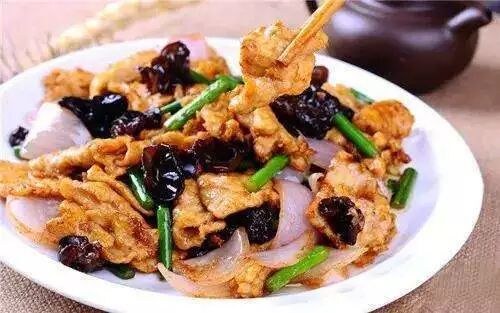
Guo You Rou (Fried Sliced Pork in Gravy) has a bit of a snack vibe, but it’s actually a well-loved traditional local dish. It uses top-quality lean meat, sliced thin, lightly coated in an egg-based batter, quickly deep-fried, then stir-fried. Any restaurant can make it, and the taste is pretty much the same everywhere. Despite its name raising some eyebrows, the flavor is fragrant without being greasy—definitely worth a try.
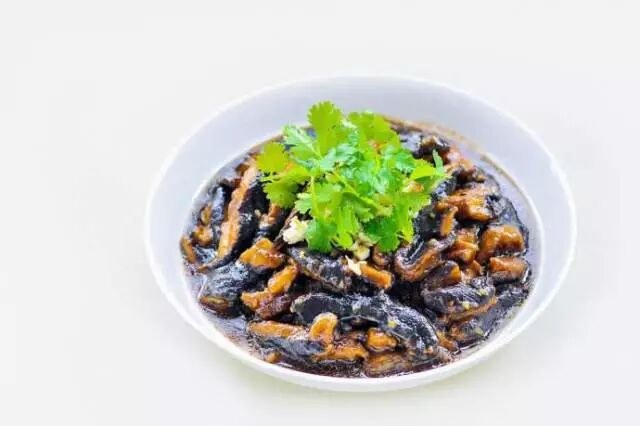
Shanghai: Stir-Fried Eel Paste
When out-of-towners come to Shanghai, they are amazed by the city’s Western cuisine, and Shanghai locals are happy to treat guests to all kinds of “authentic” Western dishes. The thick, oily, and richly sauced local Shanghainese cuisine has gradually lost its fans, with only a few famous dishes still evoking nostalgia, like stir-fried eel paste. Turning humble ingredients into something both salty and sweet, oily yet not greasy, really shows the shrewdness and skill of the Shanghainese.
Hangzhou: Old Duck Soup
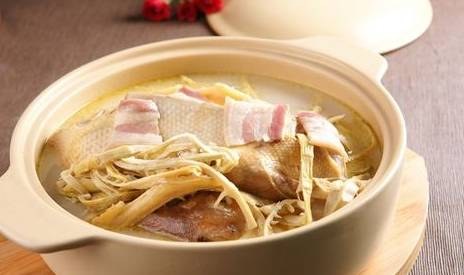
When you go to Hangzhou, your friends there will excitedly recommend Zhang Shengji’s Old Duck Pot. It’s said that Zhang Shengji sells over 600 ducks a day, and while you’re waiting for a table, the waitstaff will even come over to warn you: there’s no more old duck pot today.
Shaoxing: Braised Pork with Preserved Mustard Greens
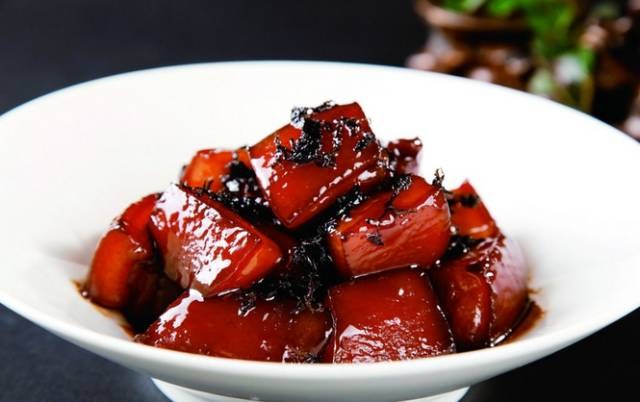
When most people visit Shaoxing, the first thing that comes to mind is the fennel beans at Xianheng Hotel. But in reality, the flavors of Shaoxing cuisine come down to two things: mold and fermentation. Fermented items—like pickled chicken or pickled shrimp—are hard for outsiders to get used to, much like stinky tofu. The real delight, though, lies in the moldy vegetables. Shaoxing locals love to ferment Chinese cabbage in a way that outsiders can’t replicate. Braised pork with fermented dried veggies—fragrant, refreshing, and with a unique chewiness.
Ningbo: Pickled Mustard Greens and Bamboo Shoot Soup
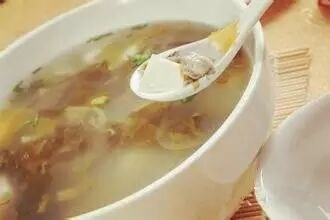
You must have a local take you to order it; you won’t be able to get it yourself, because it’s easy to overlook the name. True to its name, the soup contains only two things—pickled mustard greens and shredded bamboo shoots—and looks extremely refreshing. Ningbo-style pickled mustard greens are different from those elsewhere; the ones sold in supermarkets are specifically labeled “Ningbo pickled mustard greens.”
Jinhua: Rabbit Head Hot Pot
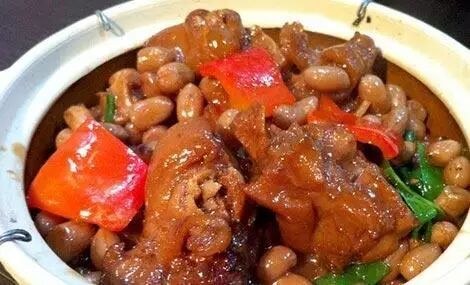
Jinhua is famous for its ham, while rabbit heads have only become popular in the last couple of years. The people of Jinhua have always enjoyed eating rabbit, but rabbit heads used to be absent from formal banquets. Fortunately, with the rise of food stalls and people’s increasingly picky tastes, rabbit head hot pot has thrived. Even discerning Hangzhou locals have started eating rabbit head hot pot, and Jinhua’s rabbit head hot pot now enjoys the joy of being recognized.
Wenzhou: Braised Swimming Crab
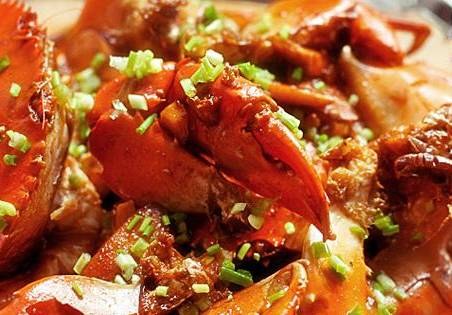
Wenzhou people have a strong preference for seafood. There is a type of blood clam that is eaten raw; its taste is delicious, but it inevitably leaves the eater’s lips and teeth stained with blood, which can look a bit terrifying. Braised swimming crab, on the other hand, avoids any hint of “killing live creatures.” Though it’s called “swimming crab,” its meat is plump and flavorful, and its freshness is no less than that of blood clams.
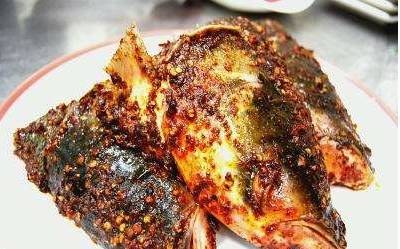
“Tan Fish Head” opened two branches in Jinan’s Beiyuan and Wenhua East Road, and locals accustomed to Lu cuisine fell into the spicy temptation of Sichuan food. This special chili, distinct from the usual ‘facing-heaven pepper,’ must be grown in specific soil and at a certain altitude, with a harvest period of only seven days each year. After picking, it’s carefully selected, packed in jars, and stored in a special way for over a year before being added to the pot. This gives the hotpot an irresistible bright red spiciness, a rich chili aroma, and a smooth heat—making those who love spicy food crave it more, while those who fear it find it unthreatening.
Qingdao: Seafood Tofu Pudding
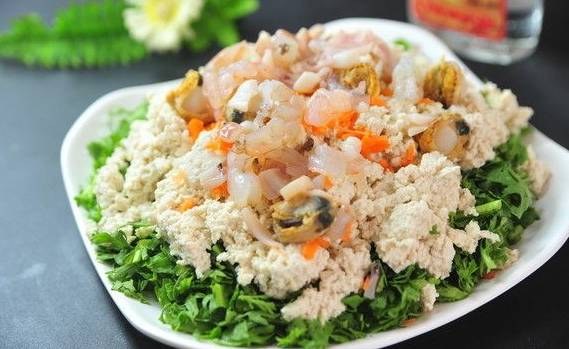
The seafood includes small items like sea cucumber, shrimp, squid, and clams, stir-fried with scallions and tofu into various kinds of small seafood tofu dishes. The flavor is fresh and savory, never greasy. It’s perfect when eaten with scallion oil pancakes.
Yantai: Scorpion Rolling the Ball

Yantai cuisine belongs to the Jiaodong style, known for its seafood dishes. Even venomous scorpions have become a delicacy on Shandong tables—fried mountain scorpions are a famous local specialty, and Yantai people’s “scorpion rolling meatballs” is another masterpiece in eating these dangerous creatures.
Dezhou: Dezhou Braised Chicken
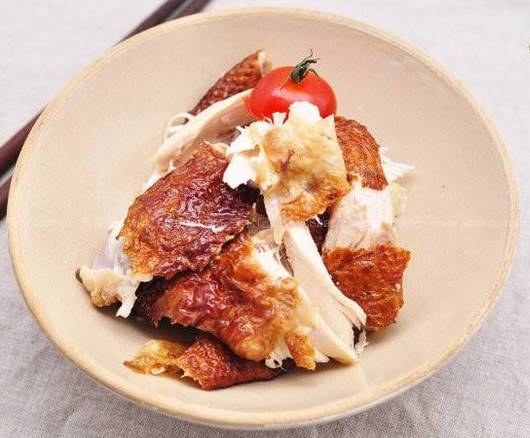
Actually, apart from braised chicken, Dezhou is also famous for its watermelons, which have been cultivated there for over a thousand years. But it’s this dish that put Dezhou on the map. The authentic Dezhou braised chicken, fully named Five-Spice Tendon-Bone Braised Chicken, has these characteristics: five-spice flavored and fall-off-the-bone tender, meat that’s tender and pure in taste, light and refined, with flavor seeping into the marrow.
Macau: Portuguese OystersMacau is gradually shedding its Portuguese shadow, but the classic eclectic architecture and Portuguese cuisine remain. Portuguese dishes are light in flavor, with small and delicate portions. Placing mashed potatoes on top of a whole raw oyster allows the flavors of both to intermingle, creating an unexpected effect.
Fang County: Stir-fried Small Flower MushroomsIn most people’s impression, small dried mushrooms are tasty but usually used for seasoning. However, in Fang County, where fresh small mushrooms are produced, the tender ones can be simply stir-fried as a dish. Without too many seasonings, the natural richness and umami of the mushrooms shine through completely.
Xiangfan: Pickled Tripe ShredsIn Xiangfan, as long as there are a few aunties and elder ladies in the house, you can always dig out several big pickle jars from under the bed. Beef offal is generally not eaten by Xiangfan locals, but tripe is an exception—it’s tender yet chewy. Anyway, the mildly spicy, tangy shredded tripe with pickled vegetables is a beloved appetizer in Xiangfan.
Huangpi: Clay Pot Huangpi Triple ComboThe “rich and savory” flavor promoted by the new Hubei cuisine is best showcased in Huangpi Sanhe. Meatballs, fish balls, along with local fish cakes and meat cakes, are paired with shiitake mushrooms and slowly stewed in a clay pot over a low flame to bring out the taste. If pork rib and lotus root soup is the most successful stew of old Hubei, then Huangpi Sanhe is less greasy and offers a more gentle, clear stew that’s easy on the stomach.
Chengde: Ten Thousand Character Braised PorkThis is a royal court dish that has now become a famous birthday feast specialty. The method is to cut braised pork belly into 3.3 cm square pieces, then use a small knife to carve each piece from the outside inward in a circular pattern towards the center, forming the character “万” (wan).
Chongqing: Spicy CrabCombining hotpot and seafood, integrating Sichuan and Cantonese cuisine, Sichuan-style spicy crab was created by Chengdu locals and has become a favorite among Chongqing people. Fragrant without being cloying, spicy without being harsh, and fresh and tasty. First, it’s cooked with oil, broad bean paste, and spices before being served. After finishing the crab, the leftover seasonings are mixed with broth, and only then do you start boiling other ingredients. Once you’ve had your fill of crab, you get to enjoy a hotpot feast.
Xiamen: Chrysanthemum-Stuffed Fish MawSince 1977, the people of Xiamen have been holding an annual chrysanthemum exhibition. Now, they’ve combined their special fondness for chrysanthemums with their love for fish maw, giving birth to chrysanthemum-shaped stuffed fish maw. While boiled live fish became trendy, Xiamen locals have been enjoying everything from braised fish maw with meat, clay pot cucumber fish maw, and red-oil shredded fish maw, all the way to chrysanthemum stuffed fish maw.
Phoenix: Miao-Style Steamed Pork with Rice FlourThe biggest feature of Phoenix cuisine is its emphasis on spiciness and sourness, with richness as the goal and stir-frying as the top skill. The county produces a type of glutinous millet with an extremely low yield. Typically, tender and fatty pork is chosen, mixed with soaked millet and flavorful seasonings, then steamed in a pot until the millet and meat are fully cooked. It is delicious and highly nutritious.
Jinan: Kongfu Dirt Pot, an Absolute DelicacyThe ingredients for Kongfu Di Guo Yi Jue are quite simple—bream, radish, tofu, green pepper, and green onion. The cake is made from cornmeal, a lovely golden yellow. When eating, you place the fish on the round, flat cake, accompanied by old tofu and round radish. No dipping sauce is needed—the little bit of broth that seeps down is simply heavenly. It’s a little salty, a little spicy, and there’s an indescribable sensation that lingers on your tongue. When the weather turns cold, eating it warms your heart.
Tag navigation
Explore articles that share the same tag and jump to tag pages.
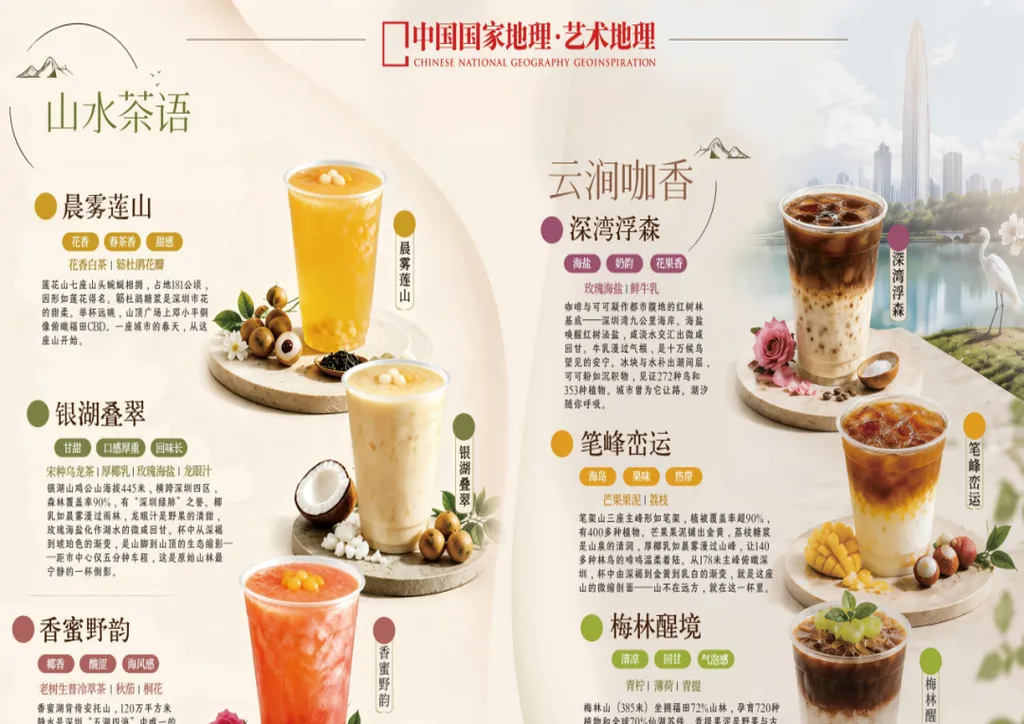
Geografie zum Genießen: Wenn Chinas Landschaften als Tee und Kaffee im Glas landen
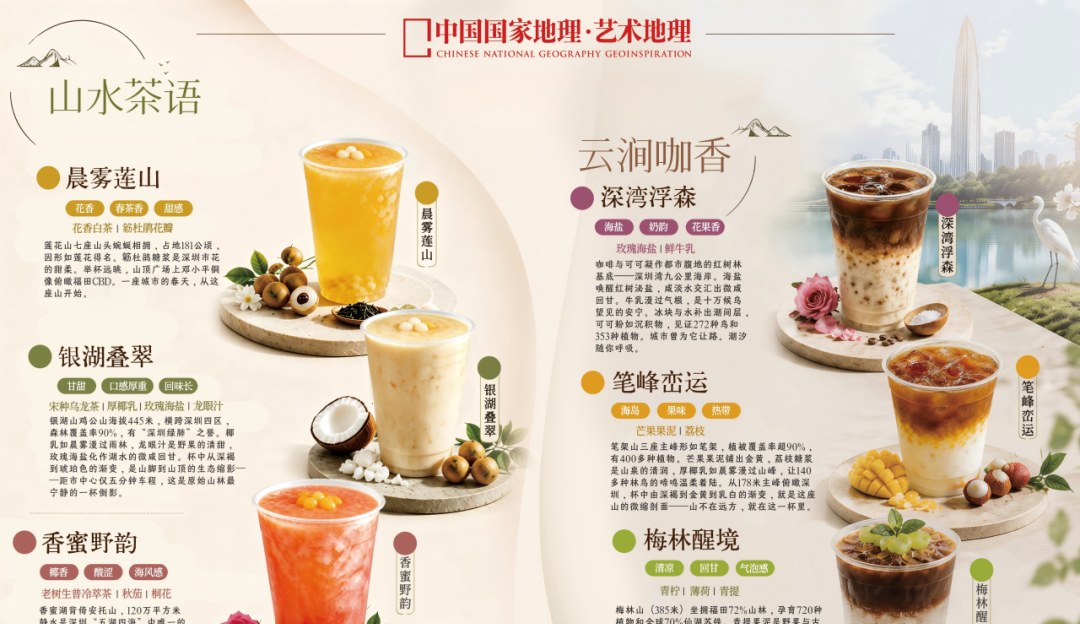
Geographieunterricht für die Geschmacksknospen | Wie lässt der „Berg-und-Fluss-Genuss-Mikroraum“ Berge und Flüsse schmecken?

Achtseitige Sonderbeilage der China Tourism News! Wenn die Schätze Shandongs zu einer langen Rolle der Qi- und Lu-Kultur werden
Category navigation
Jump to the article’s category or explore nearby topics.
Wie kommt es, dass alle alten Städte in China gleich aussehen? Das ist so langweilig.
Jump to the more recent article in this topic series.
Chinesische lokale Spezialitäten - Nachtmarkt von Qingdao, Shandong
Continue to the previous article in this series.
Related stories
More articles from the same category and nearby topics.