Why Are All Bosses Falling into the Same Trap? What's Wrong with China's Tourist Attractions?!!
Read, share, and explore related stories through curated categories and tags.
China’s Practical Think Tank for Tourist Attraction Marketing! A bellwether for on-the-ground marketing in scenic spots, following industry trends, and gathering the most practical and innovative successful cases and hands-on experiences from marketing managers of various attractions. Helping scenic spots quickly and effectively solve marketing challenges.
The current tourist attractions are actually not making money. What exactly is wrong with tourist attractions? What is the problem with tourism investment?
Common Mistakes of Tourist Attractions
Based on past experience, many poorly managed or unprofitable tourist attractions seem to have made the same mistakes without prior coordination:
1. The tourism industry is a new field, and the marketization of tourism is a new proposition with no precedents to follow. Blind imitation has planted hidden dangers for the survival and development of scenic spots.
Among 360 industries, tourism is the hardest! There is no example to follow, no rules to rely on.
Many decision-makers develop tourism using a three-step approach: inspect, learn, imitate. First, they organize teams to inspect similar projects nationwide, then copy them entirely when they return. This quest for sameness results in scenic spots across the country looking identical and familiar, completely losing their charm and market competitiveness.
What’s worse, they invest heavily in scale and luxury, with no clue about their core selling points, product highlights, or market triggers.
They treat landscapes as scenic spots, focusing on whether the entrance is grand enough, the buildings tall enough, the boardwalk wide enough, the greenery abundant enough, the lighting dazzling enough, or the visitor center upscale enough—things that tourists care about the least! The question “Why would tourists come?” is rarely deeply considered or prioritized.
Thus, many scenic spots are built like urban landscapes or city parks, with massive investments that look impressive. They open with great fanfare but end up with empty grounds!
Why must tourists come? What is the core selling point of your scenic spot? Where are the breathtaking attractions? These haven’t been considered at all, because urban landscape thinking and municipal engineering thinking don’t require such considerations. You must break free from these two mindsets and deeply think about consumers and the market to succeed in building a tourist attraction.
The same goes for business owners. In China, about half of them have a habit of imitating bureaucratic thinking, while the other half do have strong market awareness and methods. But since they’re making a career switch to the tourism industry for the first time, they also tend to follow the pattern of investigating, learning, and copying.
Because tourism is the hardest industry to operate—positioning, products, and marketing are all variables. Every project differs vastly in historical culture, natural geography, and ethnic customs, with no set examples to follow. It requires super creativity and stunning planning. Otherwise, no creativity means no business! No stunning appeal means nothing but regret!

Why do almost all business owners who switch to tourism fail? The reason is that tourism is unlike any other industry.
In other industries, you have to study your competitors, make your product look like a proper product, and make it similar to what competitors offer to stay competitive.
But tourism is the complete opposite—never develop a tourist attraction to look like a tourist attraction!
Never make your attraction look the same as others! If you do, you’re in danger. Because people will fool you into thinking you need a proper entrance and parking lot, proper roads, and proper接待 facilities. In the end, you’ll focus all your energy on these things and end up being unremarkable yourself! Your energy and money must go into things that don’t look like a typical tourist attraction—things that will make visitors travel thousands of miles to pay for. That’s how your attraction has vitality, and that’s how you make big money.
Why is tourism said to be high-investment with slow returns? Because you’ve poured big money into places that don’t attract tourists at all, into things that are exactly the same as what your competitors have!
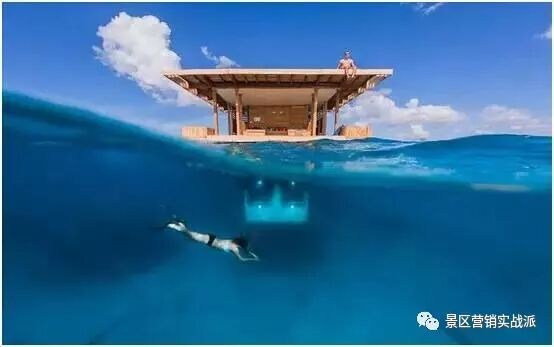
What makes tourism different from other industries is that from the moment you’re born, you’re already competing with every scenic spot out there!
Don’t fixate on what you and your locals need in terms of travel styles, or keep your eyes glued to nearby competitors. Instead, look nationwide—figure out how to stand out from all the other scenic spots across China, and how to attract people from all over the country. That’s your only chance to survive.
Business owners from other industries who switch over are totally lost at first! They have no clue what’s going on and can only fall back on the same old routine of site visits, learning tours, and research. And the result? Site visits kill you, learning tours kill you, research kills you!
Second, knowing only the establishment, not the real world. They only know design institutes and prestigious universities, but can’t tell good planning from bad. You need to know that the real world matters!
For decades, the mindset has been that when you mention planning, you think of universities and institutes. But designers from these places basically go from school straight to the institute—they’ve never set up a stall, worked the market, done sales, taken risks in business, or studied consumers. So how are you supposed to attract consumers?!
To do great tourism planning and strategy, you need to think to the extreme! You must exhaust all possibilities and go all out! You have to come up with ideas that make competitors break out in a cold sweat! And you must treat the project as if you were investing your own money in it. Only then can you do it well. Not just churn out a plan that looks like a plan and call it done.
Any tourism project must go through planning for official approval, which has turned into an administrative procedure. This industry has become a hothouse protected by bureaucracy, lacking market awareness and fierce competition. It’s almost a brainless, creativity-free field. Some professionals have estimated that the country wastes up to hundreds of billions annually on mediocre planning! And the investment mistakes in tourism projects caused by this amount to trillions!% of China’s tourism plans are mediocre copies and imitations! 90% of China’s tourist attractions struggle to make money, directly linked to this overwhelming flood of mediocre tourism planning. Planning and strategy are about solving problems—get straight to the point, strike decisively, and impress the boss and company team with at least three creative ideas. If you can do that, congratulations! You’ve found the 1% of experts!
Also, when companies send directors, managers, or so-called regional branch heads to discuss projects, it’s because the boss of that tourism planning firm isn’t up to the task—the company itself lacks top-tier talent. Every tourism investor’s project is a life-or-death gamble! If the other company’s boss won’t even show up, you can imagine who ends up working on your project. How much responsibility do they have? How much effort are they putting into a project that decides your fate?
99% of China’s tourism plans follow this routine: dozens of pages on economic environment and market analysis, then dozens more showcasing similar projects from around the world, followed by dozens of pages filled with flowery classical language centered around four key phrases, and finally, dozens of pages of copied projects that look all too familiar.
Leaders and bosses think they’ve learned something. In reality, you’re in danger! None of the projects in this plan are original based on your conditions, and none are striking enough to attract nationwide attention. Your planning fees are wasted. If you invest based on this plan, you’re done for!
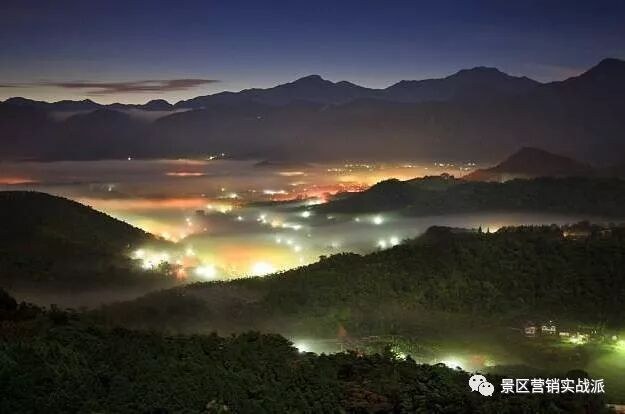
Third, investing in fixed assets is just spending money, while ignoring creativity and planning, and being unwilling to spend a single penny on intellectual investment and creative concepts.
Wang Jianlin recently sold 75 hotels and all cultural tourism projects to Sunac and R&F. Rumors have it that this was due to pressure from both stock and bond markets, but the real reason is that Wanda’s tourism business just isn’t that profitable. With only a couple hundred thousand tourists a year, how can you recoup the investment? Even with deep pockets, it’s hard to make tourism work.
On the flip side, Shanghai Disneyland turned a profit of nearly 10 billion yuan in its first year, recouping its entire investment. Back then, China’s richest man boasted that with Wanda in the tourism game, Disney wouldn’t make a dime for 20 years—what a slap in the face!
Why can’t Wang Jianlin compete with Disney?
First, having money alone doesn’t guarantee success in tourism! What this industry really needs is mind-blowing creativity, not cash.
Second, it’s not enough to have a team with strong execution; tourism demands people with super imagination! A tough, rigid team just won’t cut it.
Third, those who build houses don’t know how to “build” castles—how can a brain stuffed with floor area ratios come up with Mickey Mouse? Disney has countless original creations and IPs! It’s these stunning creative concepts that determine whether a scenic spot lives or dies. This is something the Chinese tycoon mindset, which believes money can do anything, simply can’t grasp.
In 2016, Disney’s global revenue hit $55.6 billion, surpassing the total of China’s internet giants BAT. What keeps this century-old company crushing China’s internet firms? First, creativity; second, creativity; and third, creativity. Because these ideas spawn original cartoon icons that have made billions of fans worldwide. Wanda, on the other hand, just buys roller coasters and amusement rides, completely missing that the soul of tourism competition lies in creativity!
Investing tens of billions with the creativity of a third-grader—that’s why Wanda struggles to make money in tourism. Intangible investment matters more than tangible investment! Intangible investment guides tangible investment! Intangible investment is brilliant creative planning; without it, no amount of money thrown at a project is worth a dime!

Fourth, unclear understanding of the scenic area’s resources, positioning, and products leads to blind optimism, blind decision-making, blind planning, and blind investment.
First- and second-tier tourism resources were already tapped out in the 1990s, and most of the remaining tourist sites today are third- and fourth-tier resources. Many tourism investors suffer from four areas of confusion:
First, unclear understanding of resource quality. They see mountains, water, forests, and fresh air and get intoxicated. They build a gate, pave a road, copy some ideas from field trips elsewhere, and start charging admission. What they think is unique is actually something tourists have seen countless times, ending up with a deserted site.
Second, unclear understanding of tourism planning and consulting companies. Mediocre tourism planning will cost you your investment! Thousands of bosses in China have lost everything due to poor tourism plans.
Third, unclear positioning of the scenic area, resulting in bland and unappealing offerings. Only by attracting tourists from across the country can a scenic area sustain growth and thrive. Therefore, the positioning must be national, not regional.
Fourth, unclear understanding of the scenic area’s products. Most bosses think they must develop projects and products they’ve seen or heard about, assuming that if others have succeeded, copying them will be safe and reassuring. They also crave excitement, as bosses have a natural market instinct—otherwise they wouldn’t be bosses. They focus on projects that draw crowds, like amusement parks, roller coasters, singing, and dancing. These cliché projects aren’t necessarily bad—they can bring in some visitors, at least for the first few years. But they’re ordinary, targeting only local and regional crowds. After a few visits, these limited audiences move on. These projects lack long-term vitality and sustained appeal.

What’s the Future for Tourist Attractions?
Tourism has long passed the stage of simply selling history and culture—what’s even more powerful is selling dreams and the future! At this point, ordinary tourist attractions have their chance to shine!
The key is to tap into tourists’ psychology, leverage your own strengths, and creatively develop unexpected landscapes and products. That way, you can survive and thrive, or even surpass the competition. It all comes down to three key steps:
1. Create an unforgettable tourism image positioning.
The key to tourism image positioning is to achieve “three ones”: First, offer something no one else has—scarcity creates value! Second, aim to be the best in the world—authority brings credibility! Third, be consistent and persistent—consistency beats being better.
To sum it up: uniqueness, number one, and single-minded focus. A tourism image positioning only succeeds if it meets these three criteria.
For example, Dali’s creative tourism slogans “Wind, Flower, Snow, Moon—Carefree Dali” and “Wind, Flower, Snow, Moon—Leisurely Dali” helped it move beyond the cliché of “Hometown of the Five Golden Flowers” toward a world-class new image! “Wind, Flower, Snow, Moon” appeals to physical sensations, while “Carefree and Leisurely” hits on emotional feelings—once you’ve got both body and mind, where can you run? “Wind, Flower, Snow, Moon” has become Dali’s super brand and the most successful tourism image positioning in China!
With a brilliant tourism image positioning, you’ve got the right name to speak with authority, and that leads to success! Positioning sets the direction! Positioning determines success or failure! Otherwise, a positioning based on leadership, literati taste, or crowd-sourced ideas will leave tourism development aimless and powerless.
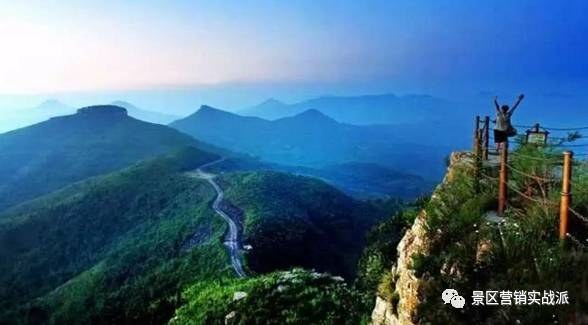
Second, you need a world-class marvel that’s stunning enough—even if it’s a man-made spectacle created out of pure imagination.
Which county, city, or district in China, with over three thousand years of history, doesn’t have ecotourism? Which doesn’t have mountains, rivers, or forests? Which doesn’t have ancient towns or former residences of famous people? Find a tourism planning company to categorize, zone, map out, and copy from books based on your city’s tourism resources—what’s the point of doing planning like that?
China’s first- and second-rate tourism resources were already fully developed twenty years ago. As for what’s left, no offense, but it’s all third-rate and below! So, leaders and investors, you must take this to heart: never overestimate your tourism resources! Never follow the conventional playbook! Because you’re holding cards that are third-rate at best. If you still play by the usual rules, don’t bother—you’d be better off doing something else! Third-rate cards demand a first-rate strategy! Third-rate resources need an unconventional approach. That’s the only way to have a chance.
What does a first-rate, unconventional approach mean? Simply put, it means having at least one world-class marvel! How many mountains, forests, or rivers you have doesn’t matter at all. Tourism is about selling creativity; tourism is about selling wonders. As long as you have creativity and wonders, even a barren patch of land will be trampled by footprints from across the country. Don’t think that having green hills and clear waters is enough to build a tourism industry—that’s nothing special; there are way too many of those. Spending hundreds of millions to build a mediocre scenic spot that can’t sell—you can see that happening in every county, city, and district across China.
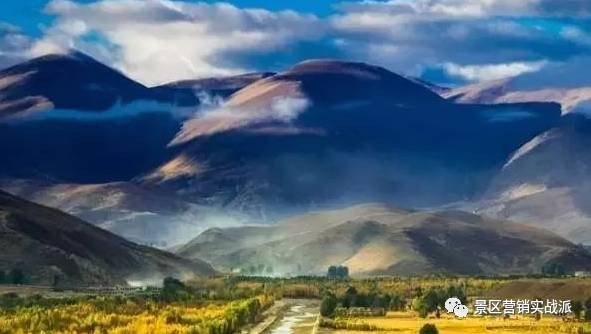
3. You need a jaw-dropping marketing event.
Too many tourism festivals in Chinese cities end up being nothing more than self-entertainment, with the pattern being “hot the first year, cool the second, and in the red by the third or fourth!” There are very few festival events that truly sustain success in the long run. Most barely survive, propped up by the government pouring resources from the entire county or city.
It’s fair to say that 90% of tourism festivals are just putting on a brave face. Why can’t they hold up? Because they’re costly, labor-intensive, and lack creativity. Most are just a whim of officials, turning into self-entertainment funded by the public purse.
The key to tourism marketing is big creativity—smart ideas that grab the media’s excitement, then use that free media exposure to fully promote your scenic spot. That’s the one true path to success in tourism marketing.We’ve now entered an era where everyone is diving into tourism development, and competition has become intensely fierce. Conventional tourism products and projects can barely survive. Only unconventional, mind-blowing tourism projects can ensure survival and growth! You need to create projects that go beyond imagination, that shock the world, that are totally unexpected. Only when you’re fresh, unique, and special can you truly understand the way of tourism development.
To make China’s tourism scenic spots successful, first, treat the success or failure of projects as a matter of life and death. Consult top talents nationwide and find the plan that moves you the most and has the strongest market appeal. Second, it’s fine if you’ve made a few useless plans, but never rush into implementation blindly. With decades of market experience and instincts, if something feels off, just wait—keep searching until you find the right approach before moving forward. Third, learn to use Baidu; search online whenever you’re unsure about something.
For more exciting content, follow the “Scenic Spot Marketing Practice” public account and check the historical messages!
-
The tough days for tourism professionals are just beginning; China’s tourism needs a sober voice!
-
Tourism’s “Great Leap Forward” poured in a ton of money—why is there no profit?
-
[In-Depth Analysis]: Where is China’s tourism headed in 2017?
-
If scenic spots don’t make money during holidays, the whole year is tough! Holiday marketing strategy guide!
-
Rural tourism won’t last long; don’t let your money turn into tears flying in the air!
-
The survival status of small and medium-sized tourist attractions is worrying!
-
Scenic spots scrapping all ticket fees—who will save them from life-or-death struggles?!
-
Scenic spot marketing is misled by too many theories. Frontline work needs its own path—let the experts go away!
-
[Practical Summary]: Scenic spots should stop price wars. The one who slashes hardest closes first; differentiation is the way to compete!
-
[Practical Summary]: Scenic spot marketing—let the scenic spot survive first!
-
Grim second half of 2017: How can small and medium-sized scenic spots survive the crisis?! Includes emergency marketing tricks.
-
Scenic spots: Don’t be doomed by your positioning!!
-
Let the hype pass you by; the Forbidden City selling tickets online doesn’t represent the future of small and medium-sized scenic spots!
-
[Scenic Spot Frontline Inspection Report]: Operational difficulties and many problems aren’t tourism professionals’ fault, but they need tourism professionals to solve them!
-
Let tourists race along cliffs, show off on cliffs—the next hot project for mountain scenic spots: Via Ferrata!
China’s first practical public account for scenic spots!
Truly solving market problems for scenic spots!
Scan the QR code to follow the “Scenic Spot Marketing Practice” public account.
Tag navigation
Explore articles that share the same tag and jump to tag pages.
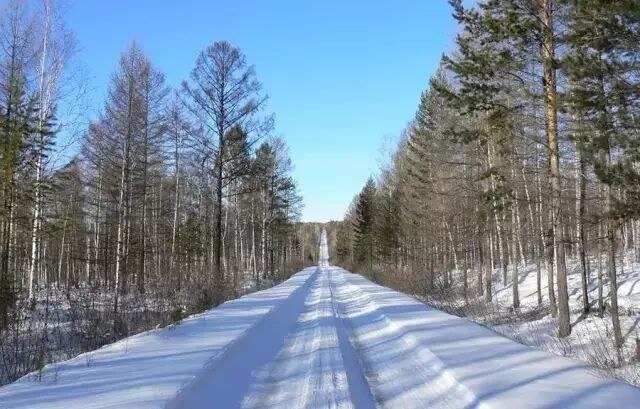
Eine neue Ära des chinesischen Wintertourismus eröffnen – Analyse der Entwicklungstrends des Wintertourismus

Bericht zur Entwicklung des chinesischen Eis- und Schneetourismus 2020

Das inländische Eis- und Schneetourismus boomt, wohin kann man reisen?
Category navigation
Jump to the article’s category or explore nearby topics.
548 Eine Person, eine Sache | Von all den kulinarischen Köstlichkeiten in China mag ich die aus Chaoshan am liebsten
Jump to the more recent article in this topic series.
Bundesweit erstmalig! „China Tourist Attraction Happiness Index (THI)“ offiziell veröffentlicht
Continue to the previous article in this series.
Related stories
More articles from the same category and nearby topics.
Warum fallen Chefs immer wieder in dieselbe Grube? Was ist los mit Chinas Touristenattraktionen?!!
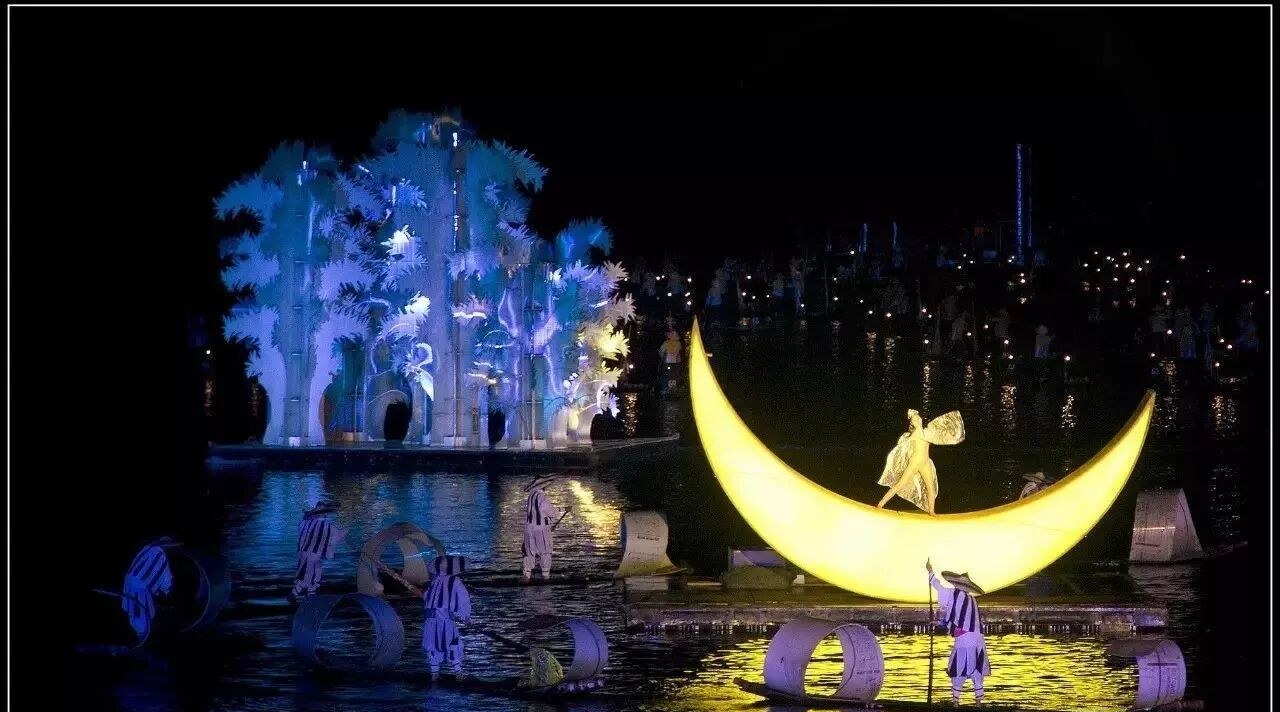
Warum fallen alle Chefs in dieselbe Grube? Was ist los mit den chinesischen Touristenattraktionen?!!